

How Penang’s Harmony Centre became a living space for interfaith understanding
- From policy to practice: How Penang institutionalised interfaith harmony through Harmonico and the Penang Harmony Centre
- Designing neutrality: Architecture and space as tools for calm, inclusivity and shared meaning
- Living harmony: Programming, symbolism and everyday encounters that turn coexistence into lived experience
By Sebastian Lim
IN a time when religious differences are often framed as fault lines, Penang Harmony Centre stands quietly but confidently as a counter-narrative — a place where diversity is not merely tolerated, but thoughtfully designed for, curated, and lived.
Set within a restored colonial-era bungalow surrounded by a one-acre garden, the Penang Harmony Centre is less about religion as doctrine, and more about faith as shared humanity.
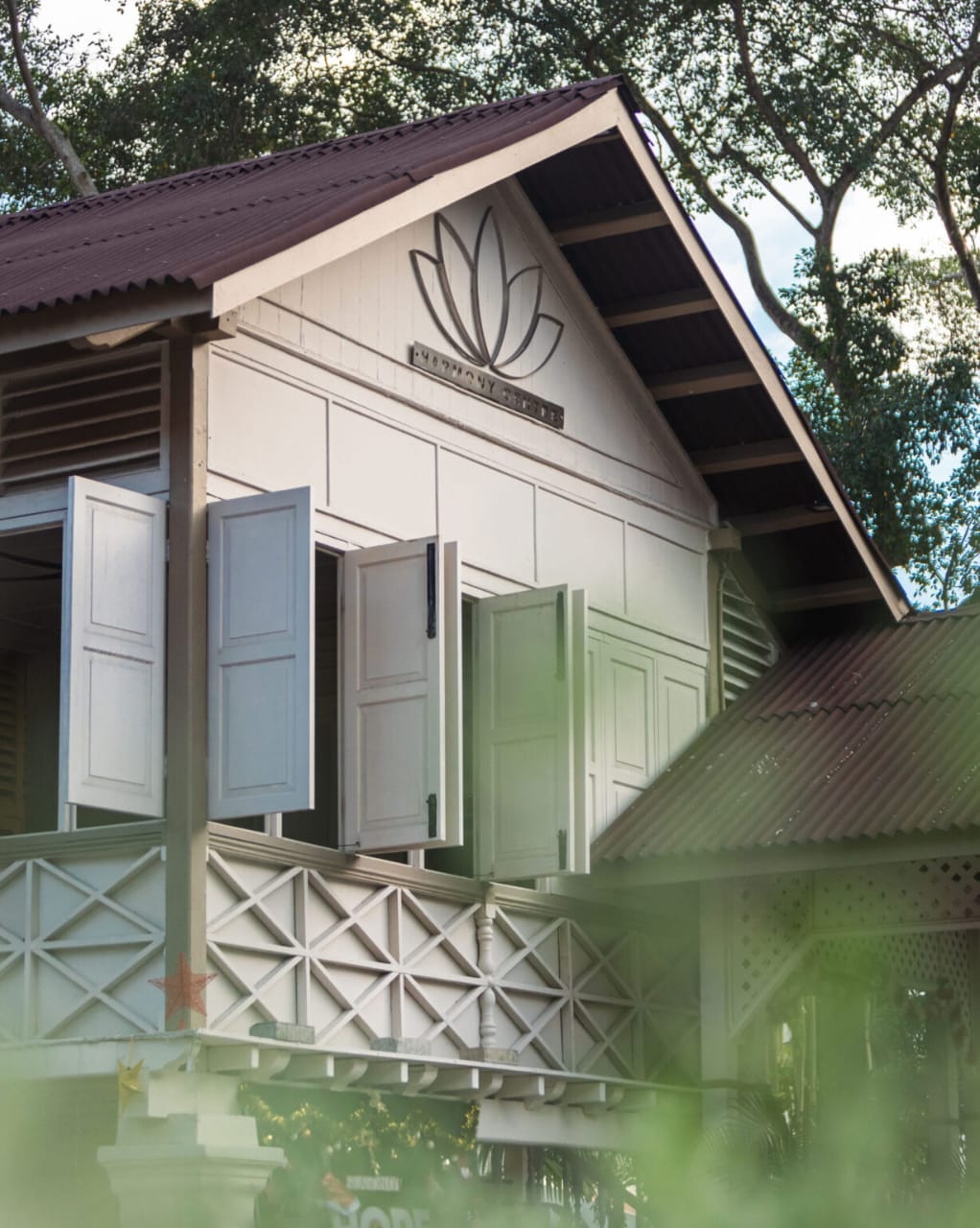
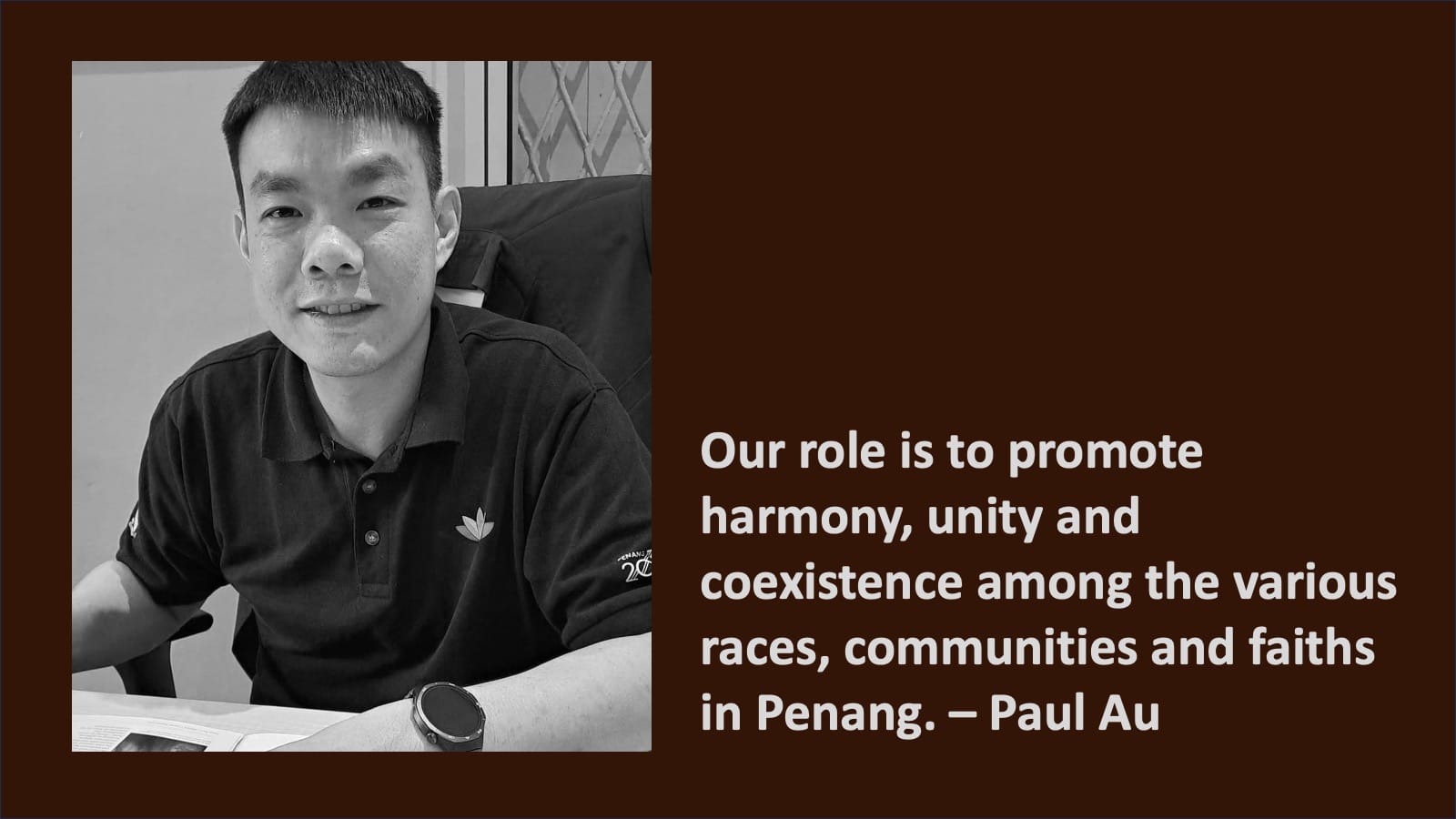
At the heart of this initiative is Harmonico, a state-linked entity tasked with overseeing non-Islamic religious affairs in Penang. Since taking over the site in 2021 — a space originally renovated by the state government at a cost of RM3 million — Harmonico, helmed by Paul Au, 33, as general manager, has transformed the Penang Harmony Centre into a living, breathing platform for interfaith engagement.
From policy to place: Institutionalising harmony
While interfaith dialogue in Malaysia has long been driven by NGOs and civil society groups, Penang took a decisive step further in 2018 with the introduction of a Non-Islamic Affairs portfolio following the change in the state government. This policy shift laid the groundwork for harmony to be not just aspirational, but institutional.
The idea of the Penang Harmony Centre, however, was first put forward in 2017 by the then Penang Chief Minister Lim Guan Eng as a facility for Buddhists, Christians, Hindus, Sikhs and Taoists members to hold gatherings. A facility located on Scotland Road was earmarked to create a space with conducive learning and relaxed environment, such as one with comfortable set-ups, relevant amenities and necessities that cater to the needs of different religious groups.
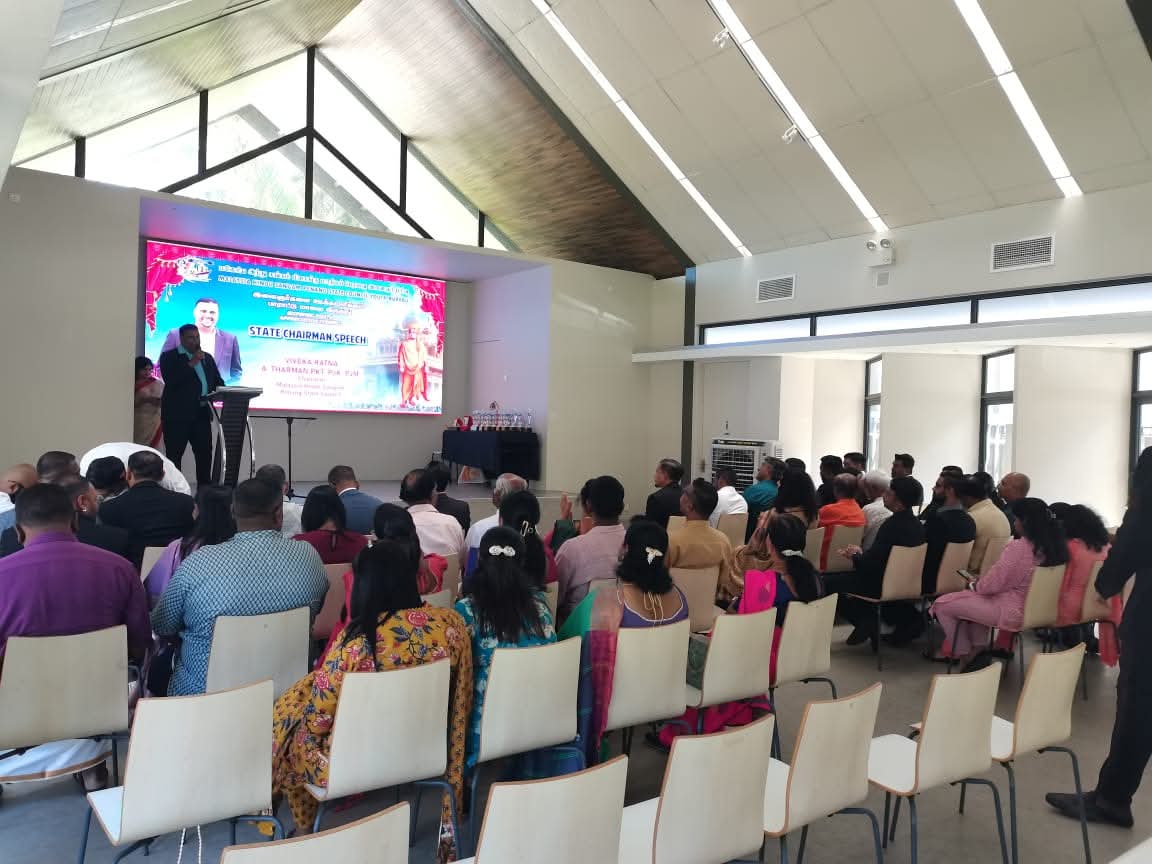
This Harmony Centre was introduced in December 2019 and later formally came under Harmonico’s stewardship. What was once a government-owned bungalow used by non-Islamic religious communities for activities at minimal cost has since evolved into a purpose-driven interfaith hub.
“Harmonico acts as a liaison between the state government and the public or organisations,” explains Paul Au. “Our role is to promote harmony, unity and coexistence among the various races, communities and faiths in Penang.”
This neutrality is intentional. Harmonico does not preach, proselytise or privilege. Instead, it coordinates — ensuring that Buddhists, Christians, Hindus, Sikhs, Malays, Taoists and others have equitable access to space, resources and visibility.
Designing inclusivity: Where architecture calms and connects
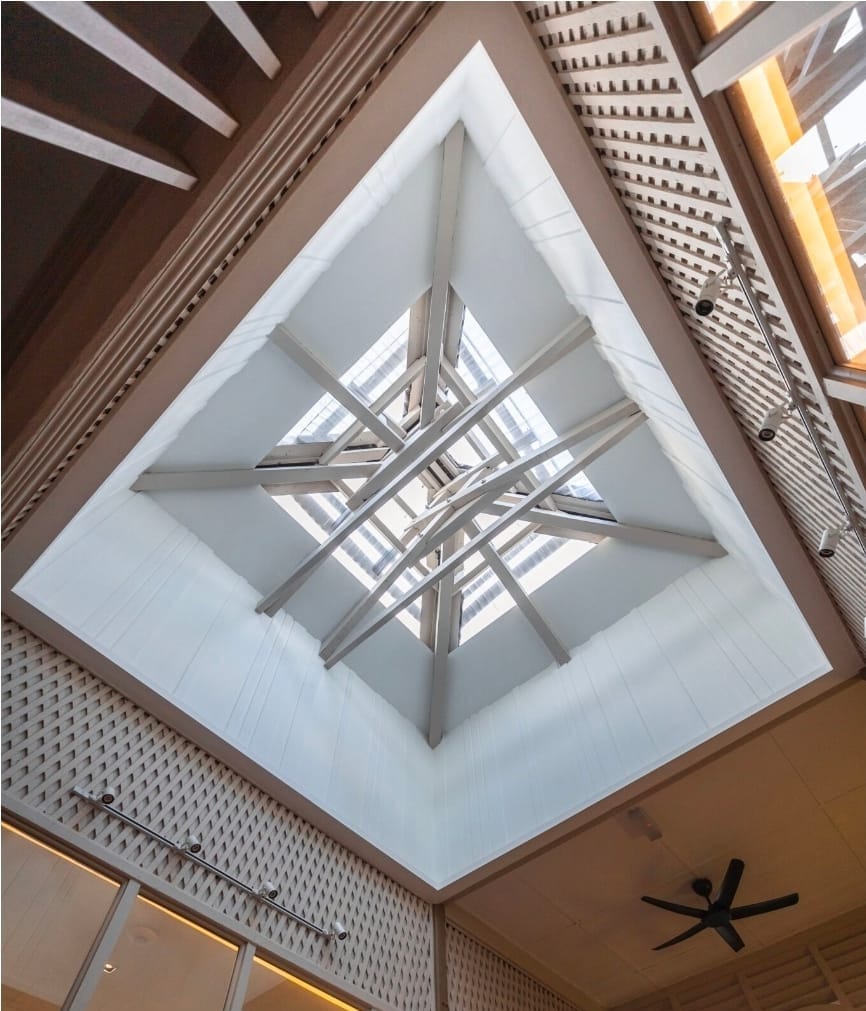
The Harmony Centre’s physical environment plays a crucial role in shaping its ethos. The restoration of the colonial bungalow was guided by a commitment to preservation rather than replacement. A carefully selected architect retained the original structure while introducing modern elements that enhance openness and reflection.
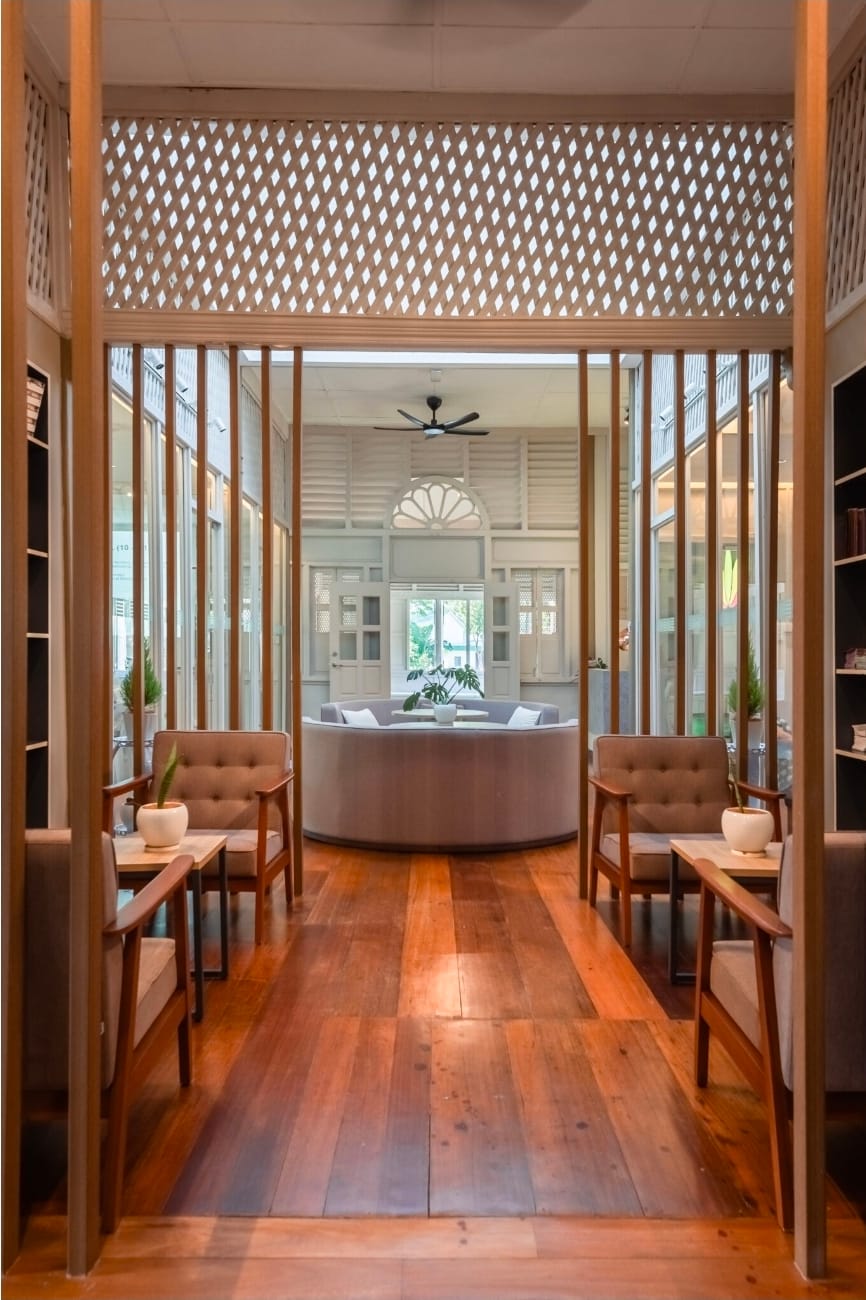
Glass panels invite natural sunlight into interior spaces, dissolving boundaries between indoors and outdoors. The verandah’s ketupat-inspired weave subtly references shared cultural motifs rather than religious symbols, while skylights and garden views foster a sense of calm that transcends belief systems.
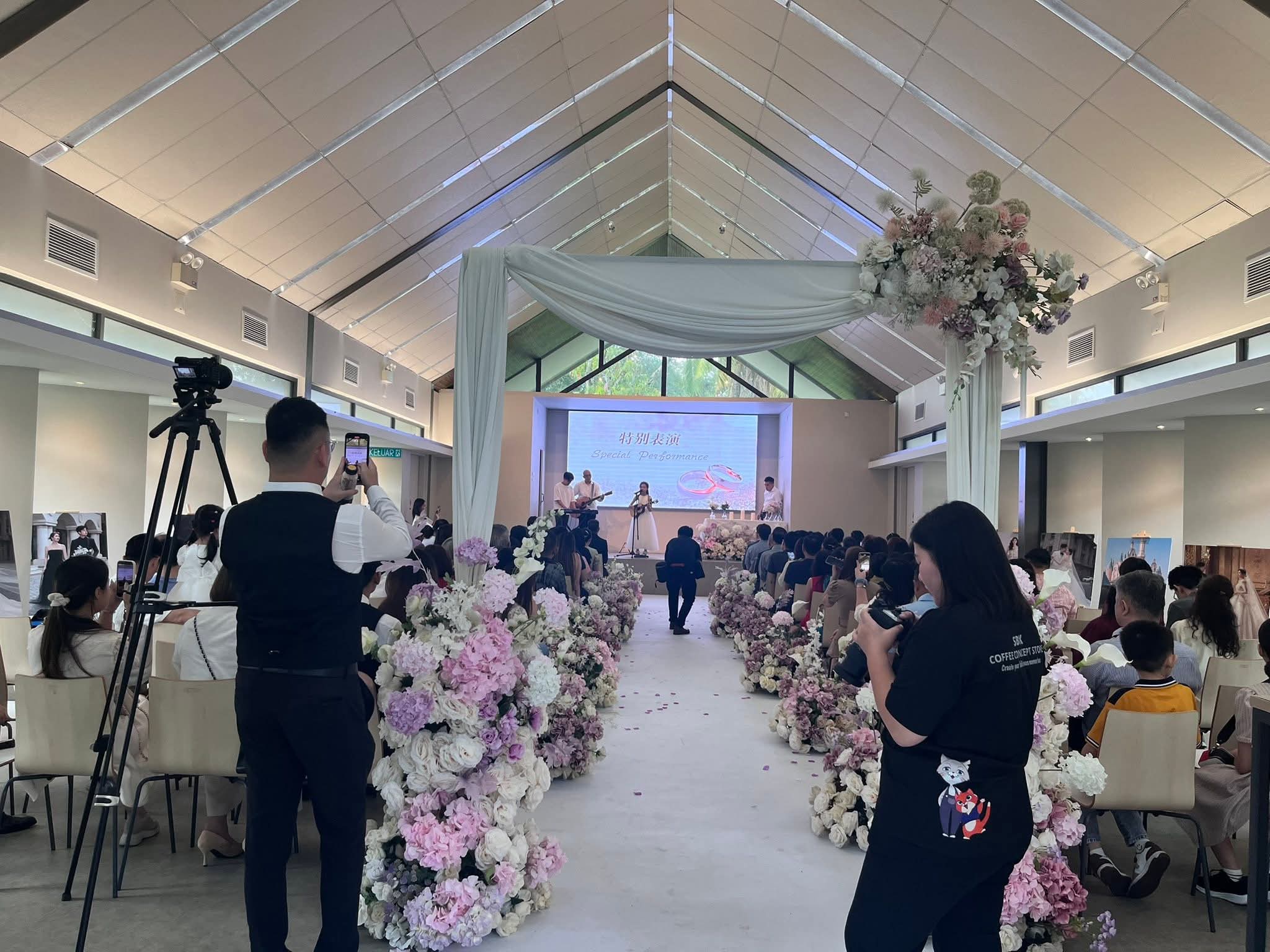
The result is a space that feels neutral yet warm — contemplative but not austere. It is designed to host meditation sessions, youth programmes, religious classes, festivals, concerts and dialogues without imposing a singular identity.
“Harmony is always our first guiding principle,” says Au. “You see it in our name — Harmonico, Harmony Centre, Harmony Streets. We advocate positive vibes and send out these messages consistently to the public.”
Programming peace: From meditation to meaningful encounters
Beyond architecture, it is programming that truly animates the Harmony Centre. The one-acre grounds accommodate both intimate gatherings and large-scale events, from Buddhist meditation classes and church youth activities to Taoist festivals.
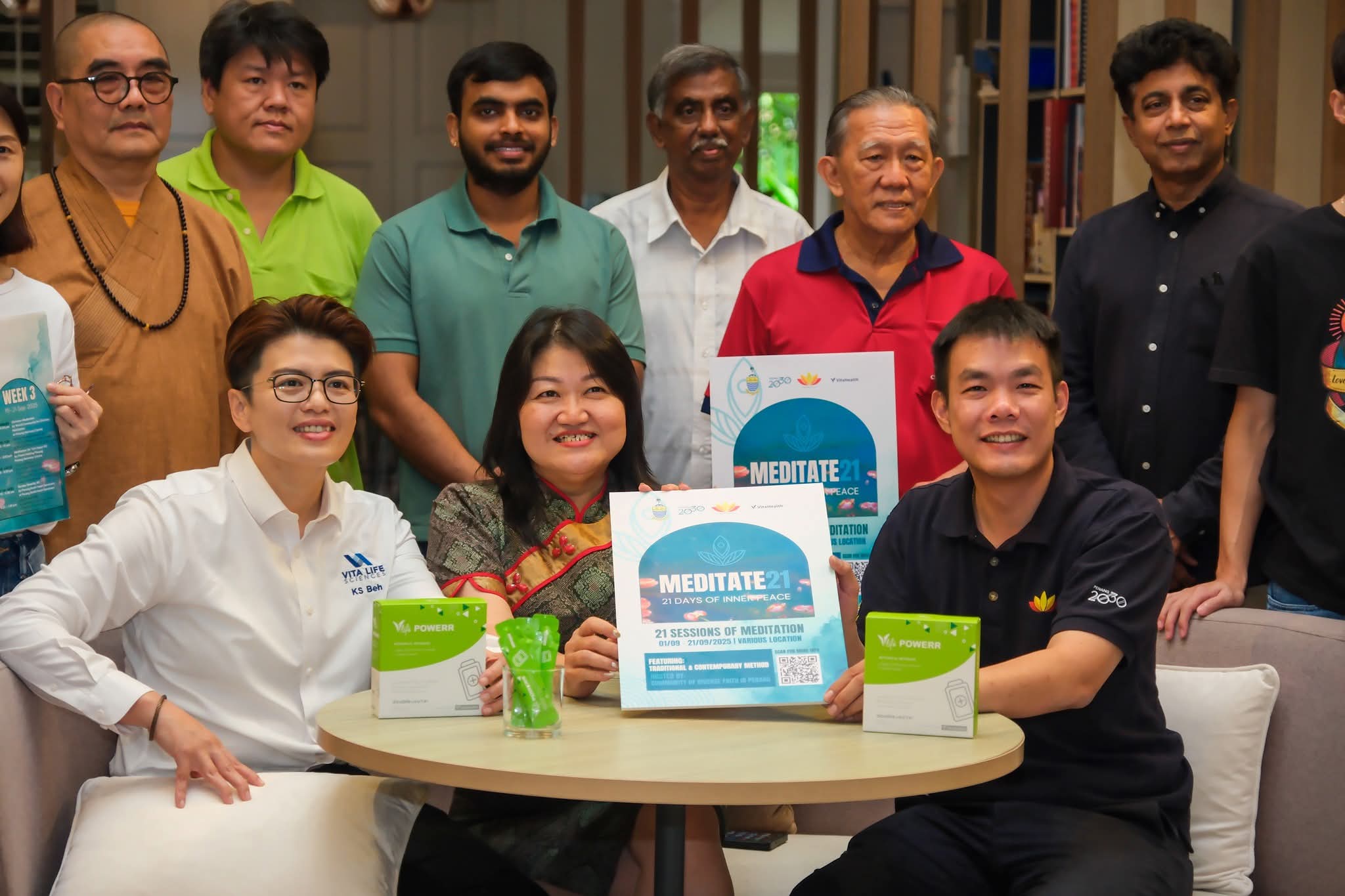
One of the Centre’s most emblematic initiatives is Meditate 21, a 21-day programme held annually from Sept 1 to 21, culminating on International World Peace Day. Over this period, 21 faith-based and non-faith-based organisations host meditation sessions open to the public, offering participants a rare opportunity to experience how different traditions cultivate stillness, reflection and compassion.
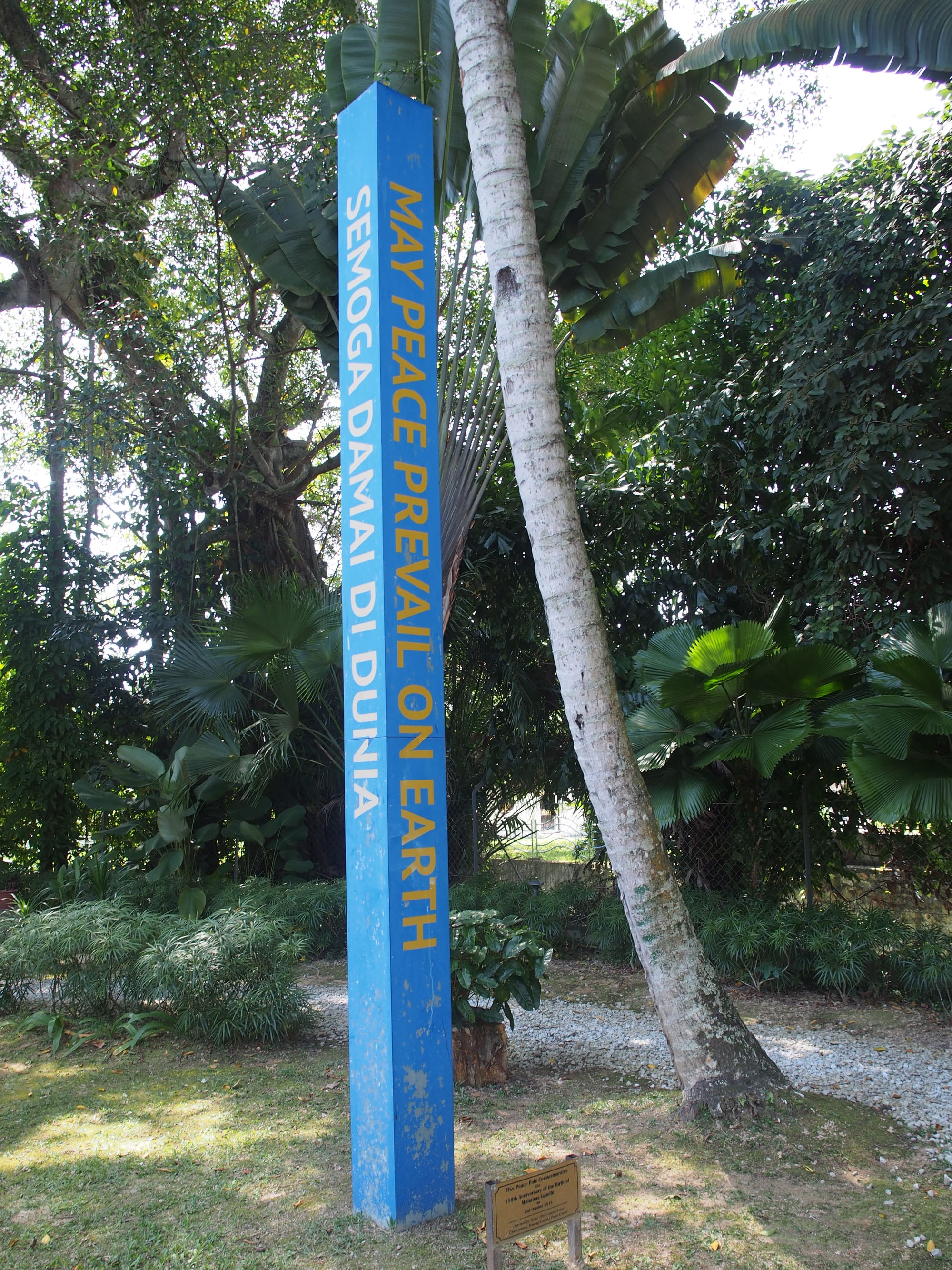
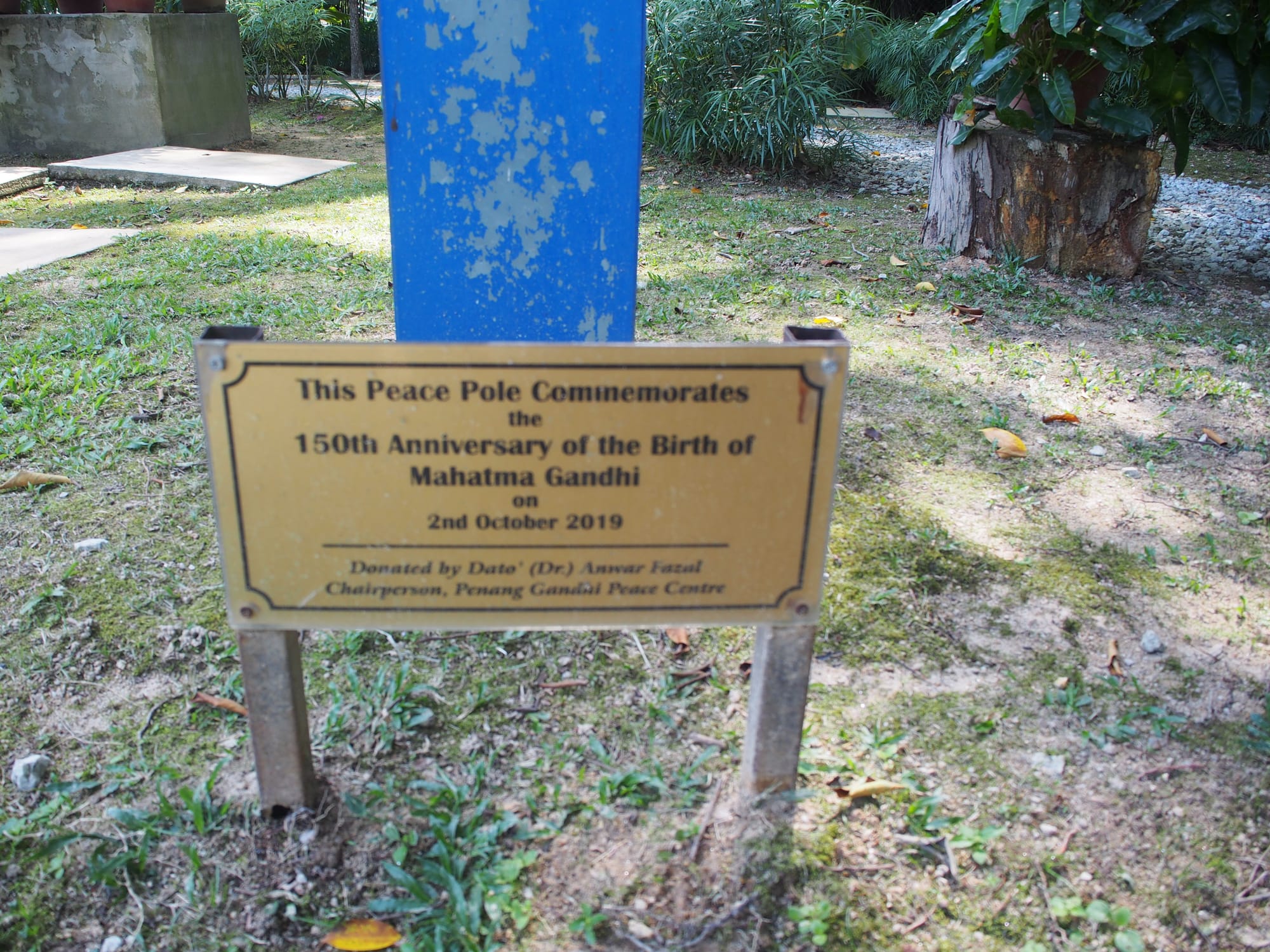
Equally symbolic is the Peace Pole donated by Datuk Seri Dr Anwar Fazal — a Harmonico board member and Chairman of the Penang Gandhi Peace Centre, who describes it as having three dimensions – peace with oneself, peace with others and peace with Mother Nature. Installed in 2019, the Peace Pole, painted in blue and inscribed with the words “May Peace Prevail on Earth” in four languages on each side, is about 4m high and is planted to remind us always on the importance of peace. It serves as both a physical and philosophical centrepiece.
“To me, it is both a symbolic and tangible symbol of peace,” says Au. “It reflects what the Centre stands for.”
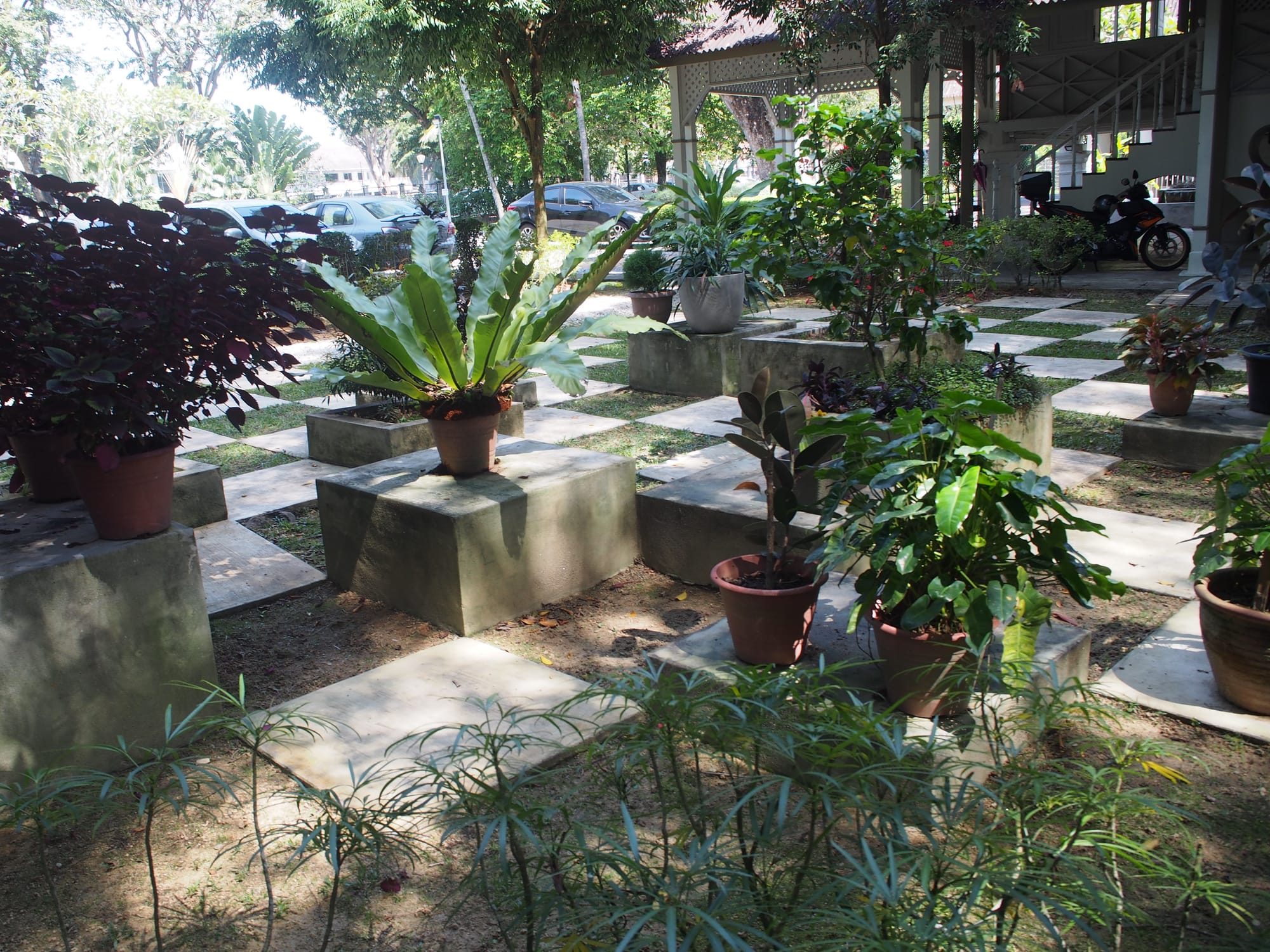
Importantly, symbolism at the Harmony Centre is curated to resonate universally. Nature, light, space and silence become the shared language — ensuring no single faith dominates the narrative.
A quiet statement of who Penang is and aspires to be
The greatest challenge, Au admits, is remaining neutral at all times. “It is important that Harmonico remains neutral in all its dealings to maintain peace and harmony for all parties.”
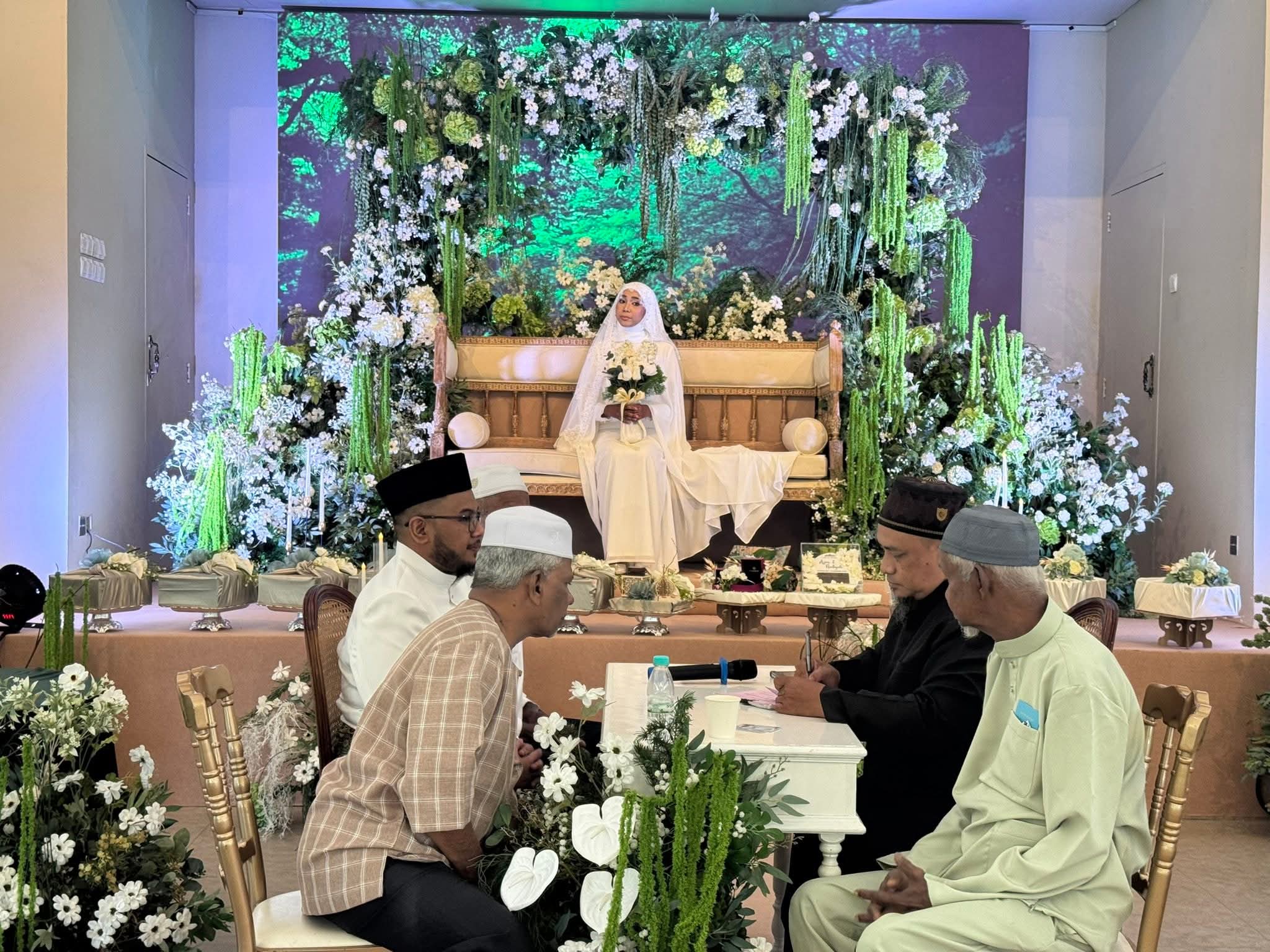
Yet it is precisely this disciplined neutrality that makes the Penang Harmony Centre credible — and effective. It reflects Penang’s broader identity as a place where temples, churches, mosques and shrines have coexisted for generations, not by accident, but by choice.
Looking ahead, Harmonico’s vision extends beyond the Centre itself. With four Streets of Harmony now established across Penang — in Seberang Jaya, Bukit Mertajam, Bayan Baru and George Town — the idea of harmony is being woven into the everyday urban and educational fabric. Students are encouraged to visit these streets and articulate, in their own words, what harmony means to them.
For Au, harmony in the Malaysian context is not sameness, but shared space with mutual respect and understanding. “Hopefully, after visiting the Harmony Centre, people will carry these values with them,” he reflects. “And then share them with others.” In that quiet hope lies the Centre’s most powerful design — not just of space, but of understanding.
