- From Bandung to Penang: The Dialogue revisited the Bandung spirit, with calls for a revitalised Non-Aligned Movement, stronger multilateralism and a new approach to global cooperation in an increasingly fractured world
- Speakers stressed that connectivity alone cannot sustain international cooperation. Mutual understanding, trust, diplomacy and people-to-people engagement are essential as geopolitical rivalries intensify.
- Discussions on a revamped United Nations, Southeast Asia’s potential role in global diplomacy, and ASEAN’s position in the emerging multipolar order pointed to the need for institutions that better reflect today’s world.
By Carolyn Khor
GEORGE TOWN: A call for a reform of the United Nations and a proposal to revive the Non-Aligned Movement as “NAM 2.0” emerged as two of the key ideas from the inaugural Penang Peace Dialogue, which brought together statesmen, academics, artists and peace advocates to examine how the world can navigate an increasingly fragmented and multipolar order.
Former Indonesian president Joko Widodo called for a new generation of global institutions capable of responding to interconnected conflicts, climate change, technological advances and the changing distribution of global power.
Speaking at the dialogue on September 6, Jokowi said existing international institutions had to adapt to 21st-century realities, arguing that a more complex world required stronger cooperation, mediation and diplomacy.
His call for UN reform was complemented by economist and public intellectual Professor Emeritus Jomo Kwame Sundaram’s proposal for developing countries to revive and repurpose the Non-Aligned Movement.
Together, the two ideas reflected a central concern of the two-day dialogue: how existing multilateral institutions can be strengthened, and how countries of the Global South can have a greater voice in shaping the emerging world order.
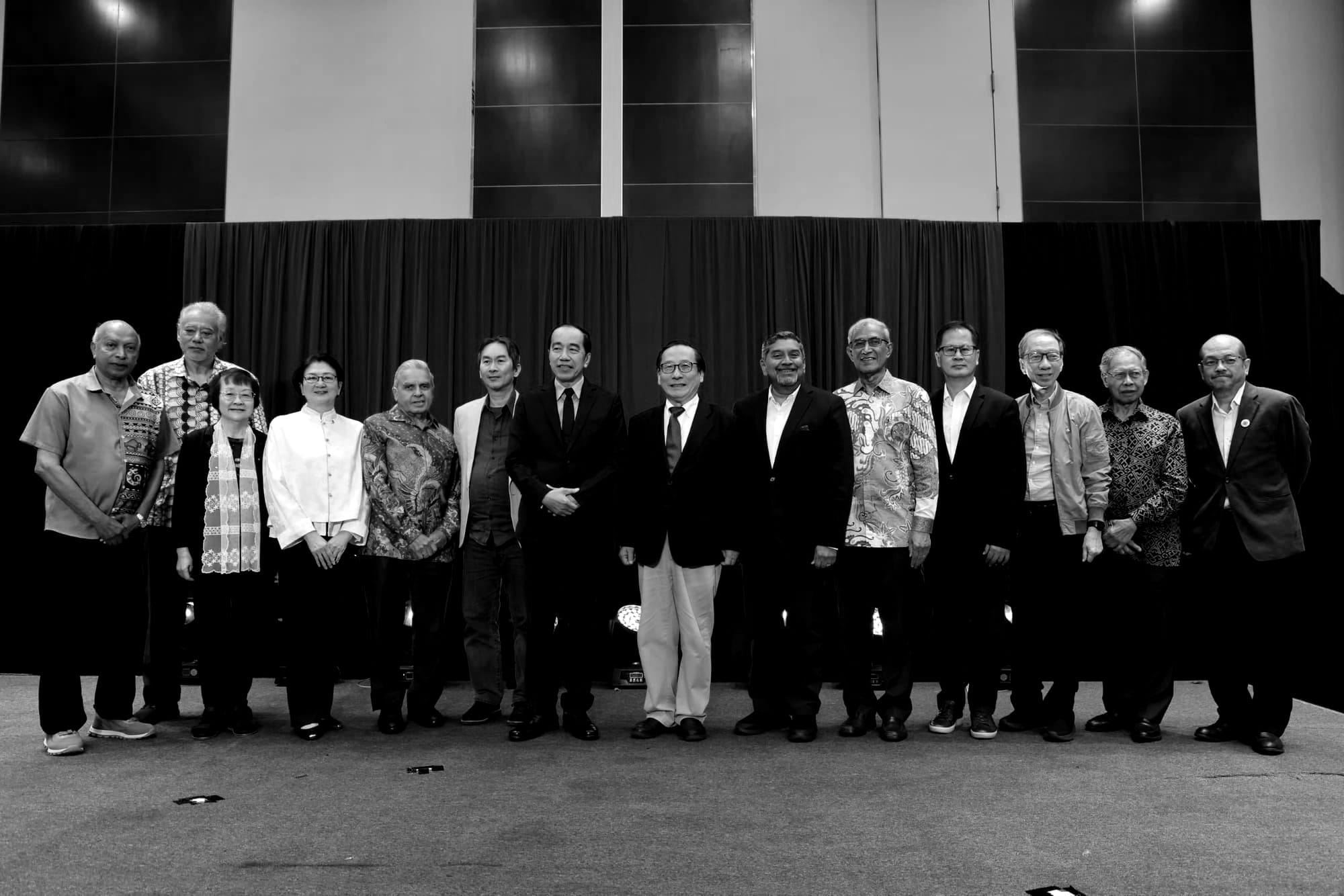
The first Penang Peace Dialogue was held from September 5 to 6 at the Jen Hotel Georgetown by Shangri-La. It was the flagship event of the second edition of the four-day Commonwealth of World Chinatowns (CWC) Conference Series, themed “Bridging Civilisations in a Multipolar World”. Around 200 delegates attended the two-day dialogue.
Other prominent speakers at the Penang Peace Dialogue included Professor Kishore Mahbubani, Professor Victor Gao, Professor Jeffrey Sachs (via Zoom), Dr Joanna Lei, and Dr Peter TC Chang, among others.
Jokowi calls for UN reforms
Jokowi’s keynote address on September 6 placed reform of the United Nations at the centre of the discussion on the future of global governance. He argued that the international system needed to evolve as the world confronted increasingly interconnected challenges.
Speaking of Southeast Asia’s diversity, Jokowi said differences should not necessarily become sources of division but could serve as bridges for greater understanding, cooperation and shared progress.
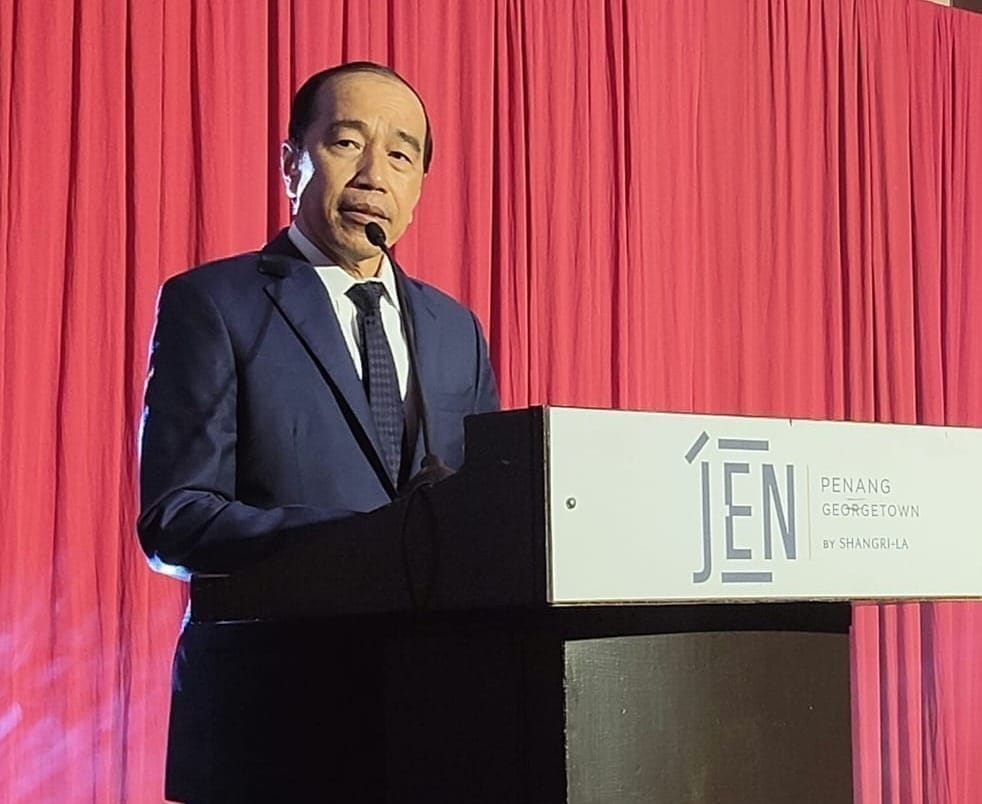
His message echoed remarks he made at the gala dinner on September 5, where he stressed that peace ultimately depended on mutual understanding and trust between leaders and their people.
“When people understand, passion grows. When people trust, support follows. And when leaders and people truly understand each other, that is where the foundation of peace comes,” he said. His presence also provided a direct link to the Bandung spirit that influenced Indonesia’s foreign policy and the development of the Non-Aligned Movement.
When people understand, passion grows. When people trust, support follows. And when leaders and people truly understand each other, that is where the foundation of peace comes. – Joko Widodo
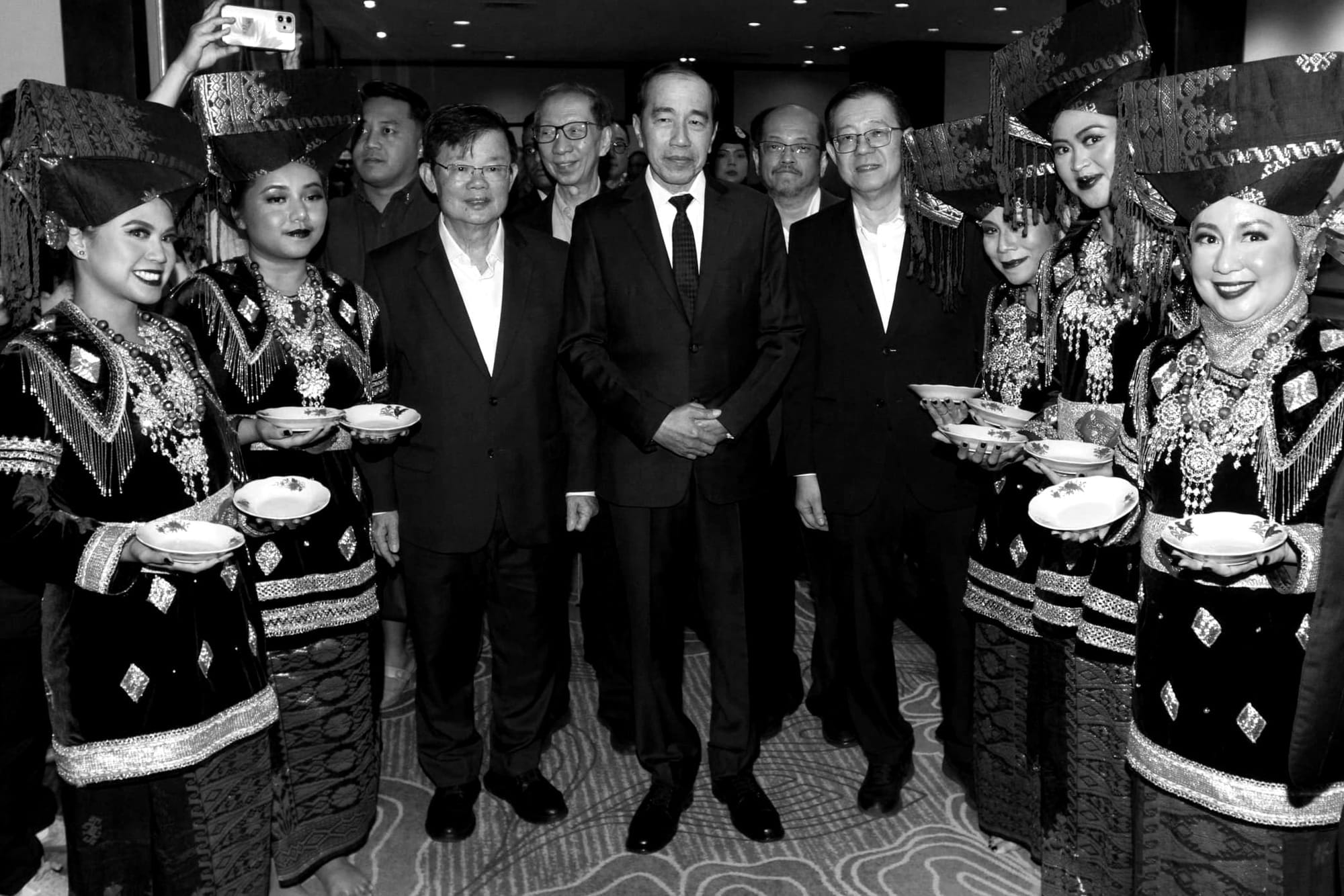
At the gala dinner, Penang Chief Minister Chow Kon Yeow referred to the 1955 Bandung Conference while addressing Jokowi, noting that countries with different histories and political systems had sought principles for peaceful coexistence without surrendering their independence.
Among those present at the dinner were Chow, Jokowi, former Penang chief ministers Lim Guan Eng and Tan Sri Koh Tsu Koon.
Jomo proposes NAM 2.0
Jomo took the argument further by calling for developing countries to revive and repurpose the Non-Aligned Movement. He questioned whether ASEAN could continue to present itself as genuinely neutral when four of its members hosted US military facilities, while BRICS, he argued, represented the interests of its own members rather than the wider Global South.
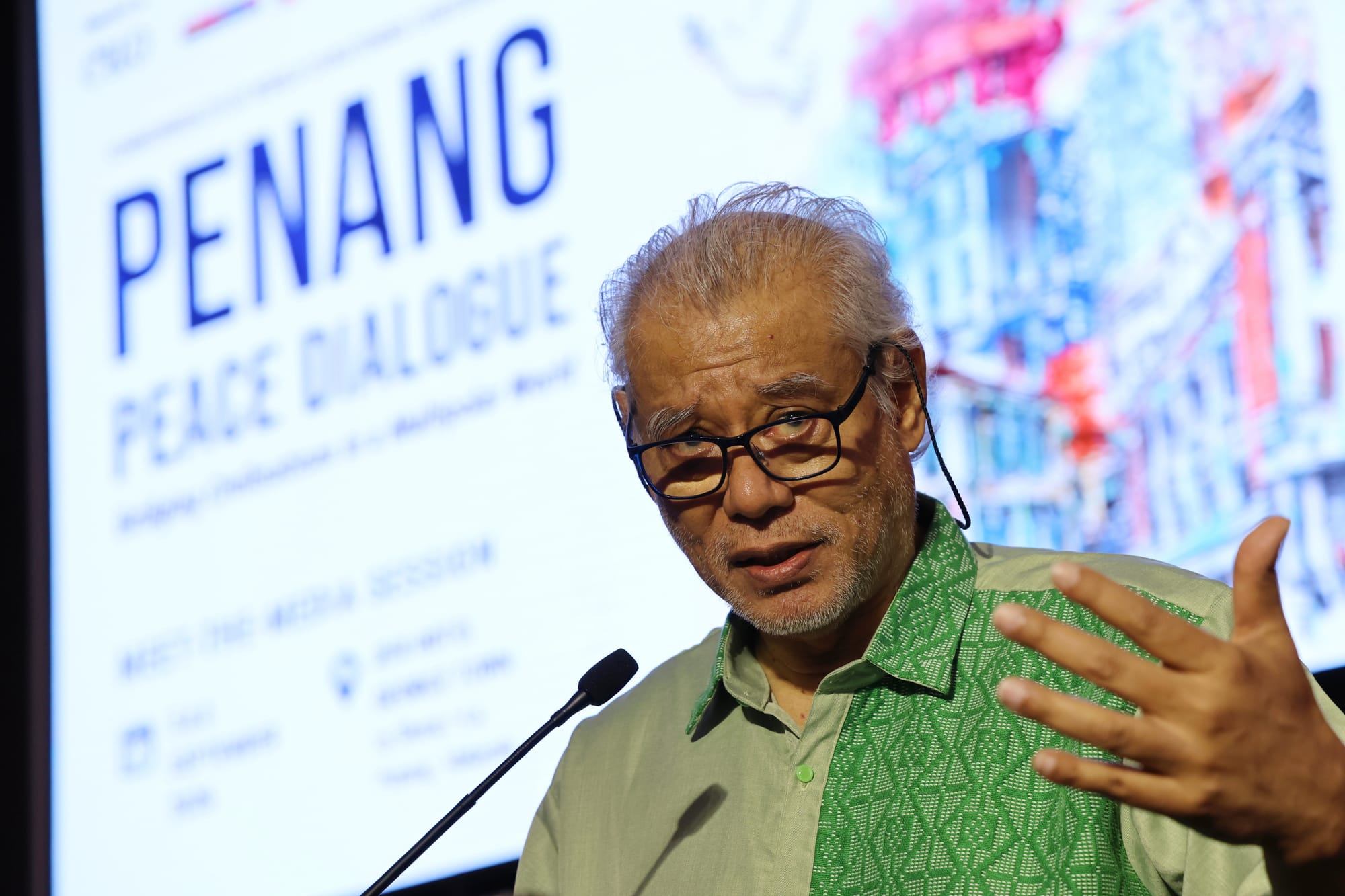
With more than 120 members, NAM already had a broad collective platform, he said. “By reviving NAM to push for sustainable development and peace, the developing countries would have a ready-made organisation for their own purposes. What you cannot achieve individually, you can achieve collectively,” he said.
Jomo also warned that a new Cold War could produce economic consequences reminiscent of the stagflation of the 1970s. War spending, sanctions, tariffs and supply disruptions, he said, could place the greatest burden on developing countries and undermine efforts towards sustainable development.
His proposal for NAM 2.0 therefore linked peace with economic justice and development, rather than treating security and economics as separate questions.
Avoid a new confrontation
Professor Victor Gao, vice president of the Centre for China and Globalisation and a former interpreter for Deng Xiaoping, challenged predictions that war between the United States and China was inevitable.
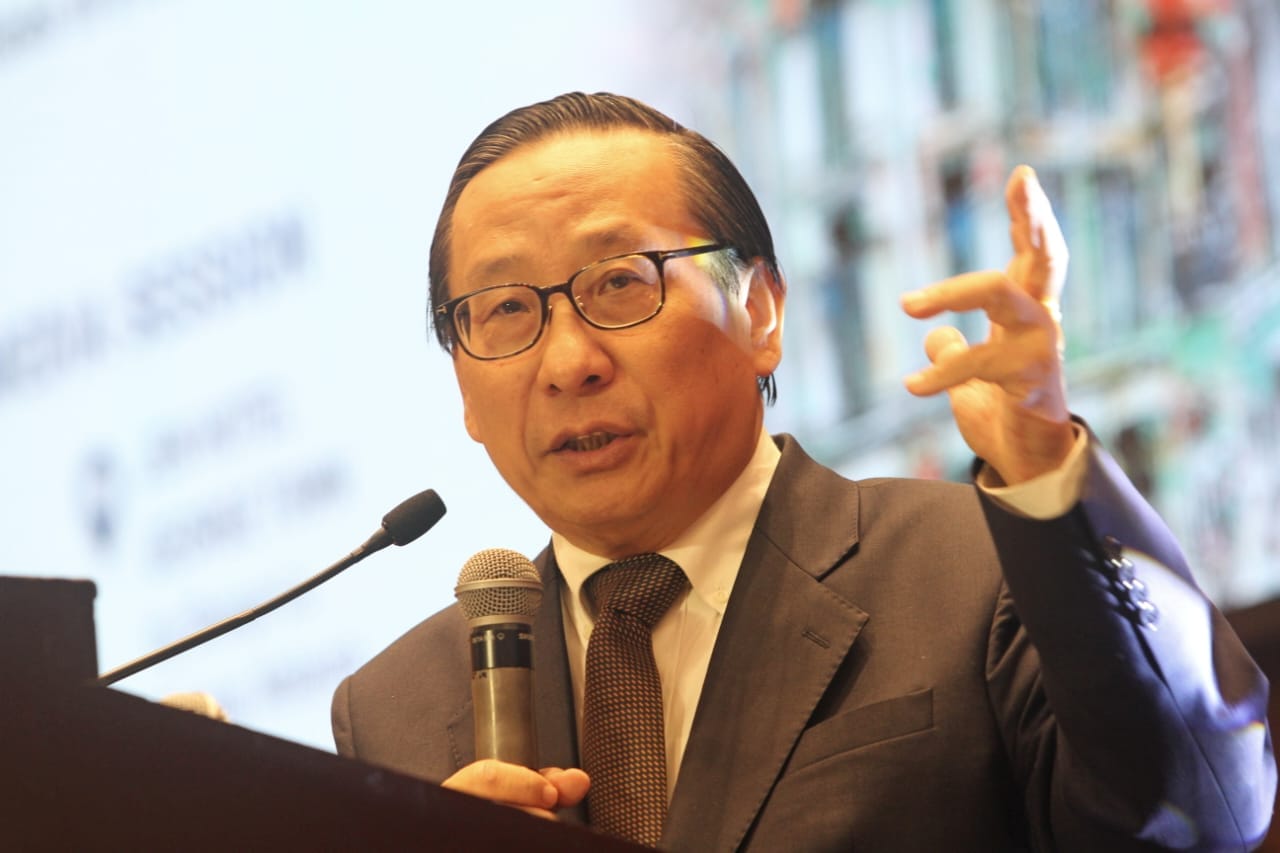
He argued that the nuclear dimension made a direct US-China conflict highly unlikely, while warning that other forms of strategic competition could still destabilise the region and the wider world.
Gao also raised concerns over Japan's rearmament and rejected calls for economic decoupling from China. He warned particularly about the militarisation of artificial intelligence, arguing that the technology could become dangerous if placed primarily in the service of warfare.
“If you feed evil into AI, weaponising it, militarising it, feeding it top-secret intelligence, AI becomes evil,” he said. His intervention highlighted another dimension of the multipolar debate — that technological development, economic interdependence and military competition could no longer be considered in isolation.
Leadership, history and civilisational exchange
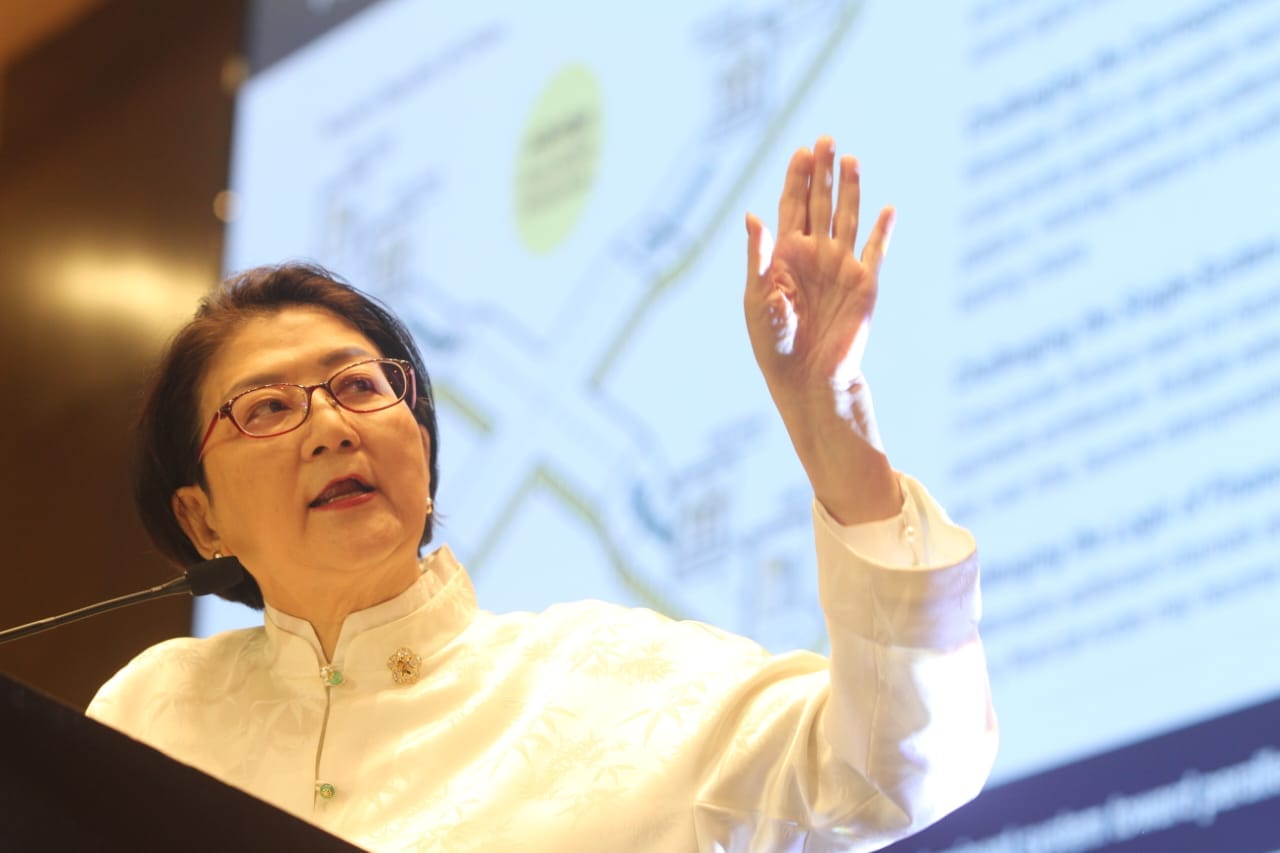
Dr Joanna Lei approached the question of navigating an uncertain world from the perspective of leadership. Speaking on leadership at a “bifurcation point”, she drew on the Taoist metaphor of water to explore how leaders and societies could respond to uncertainty, change and competing pressures.
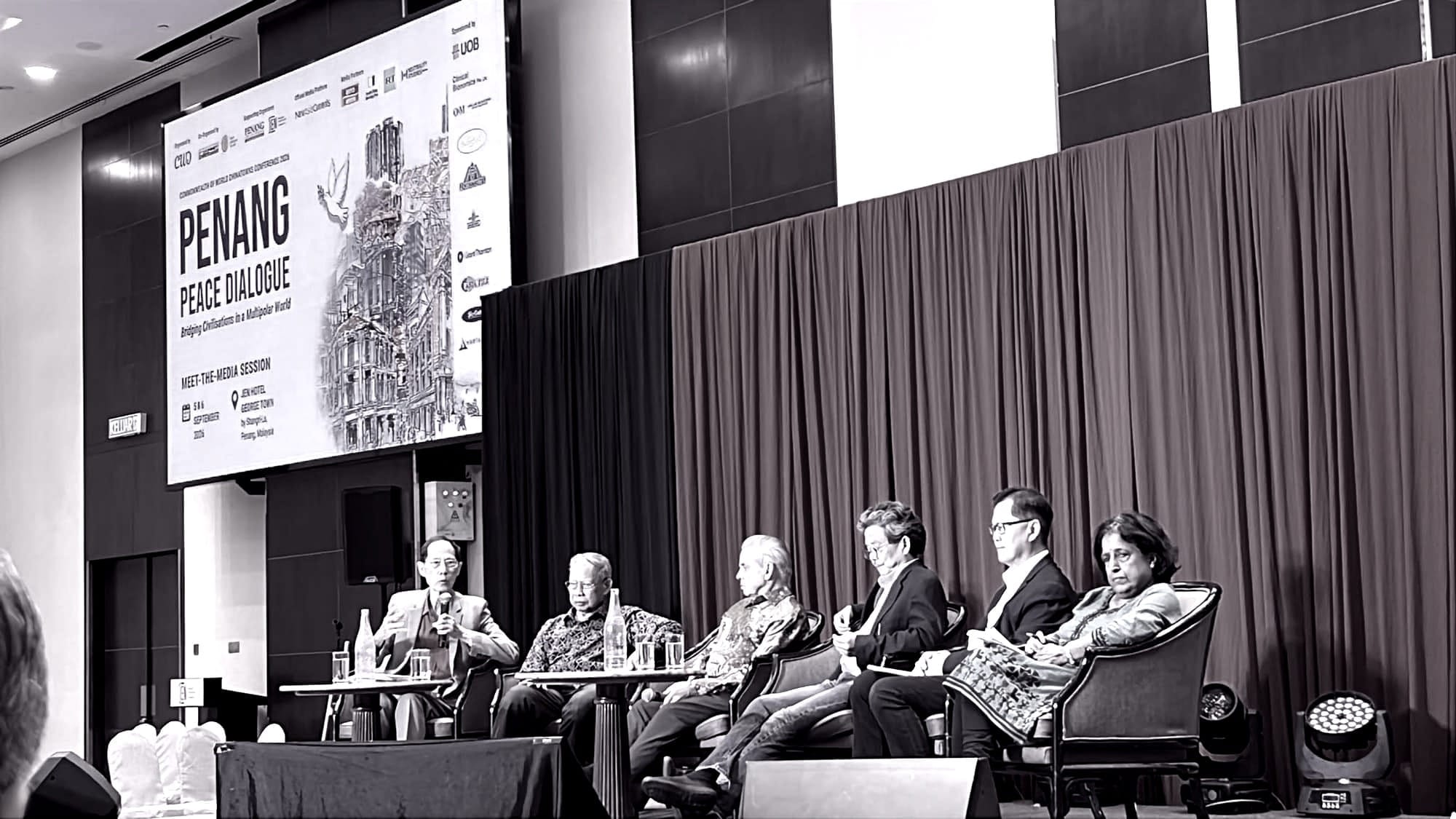
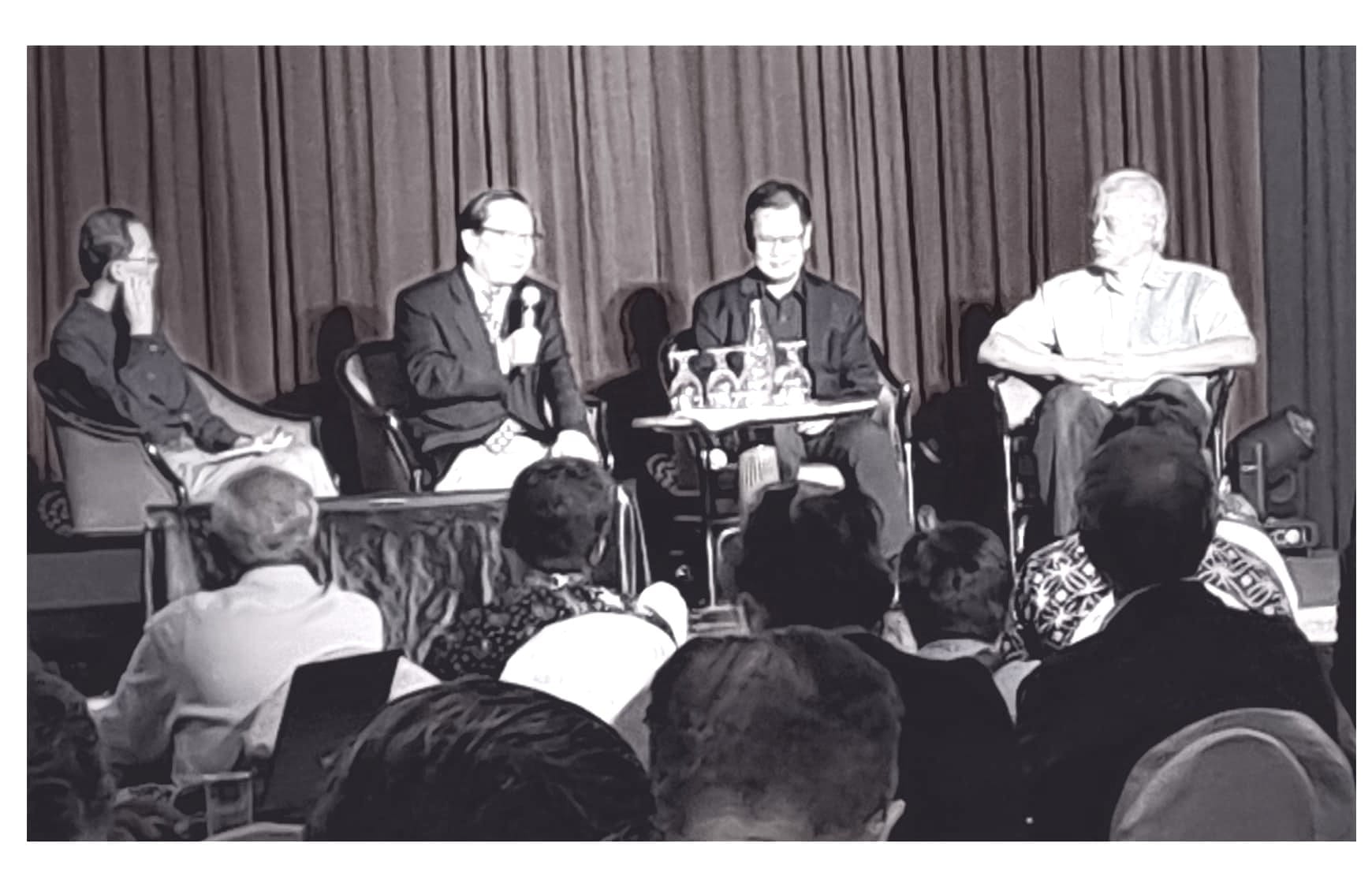
Dr Peter TC Chang contributed to discussions on the United Nations, the Non-Aligned Movement and Southeast Asia, including a panel with Jomo and Gao during the September 5 meet-the-media session.
The panel examined Southeast Asia's role in a changing global order and the relevance of multilateral institutions amid growing geopolitical rivalry.
In a fireside chat moderated by Viswa Sadasivan, Professor Kishore Mahbubani examined the challenges of UN reform and how ordinary people could participate in a reformed multilateral framework.
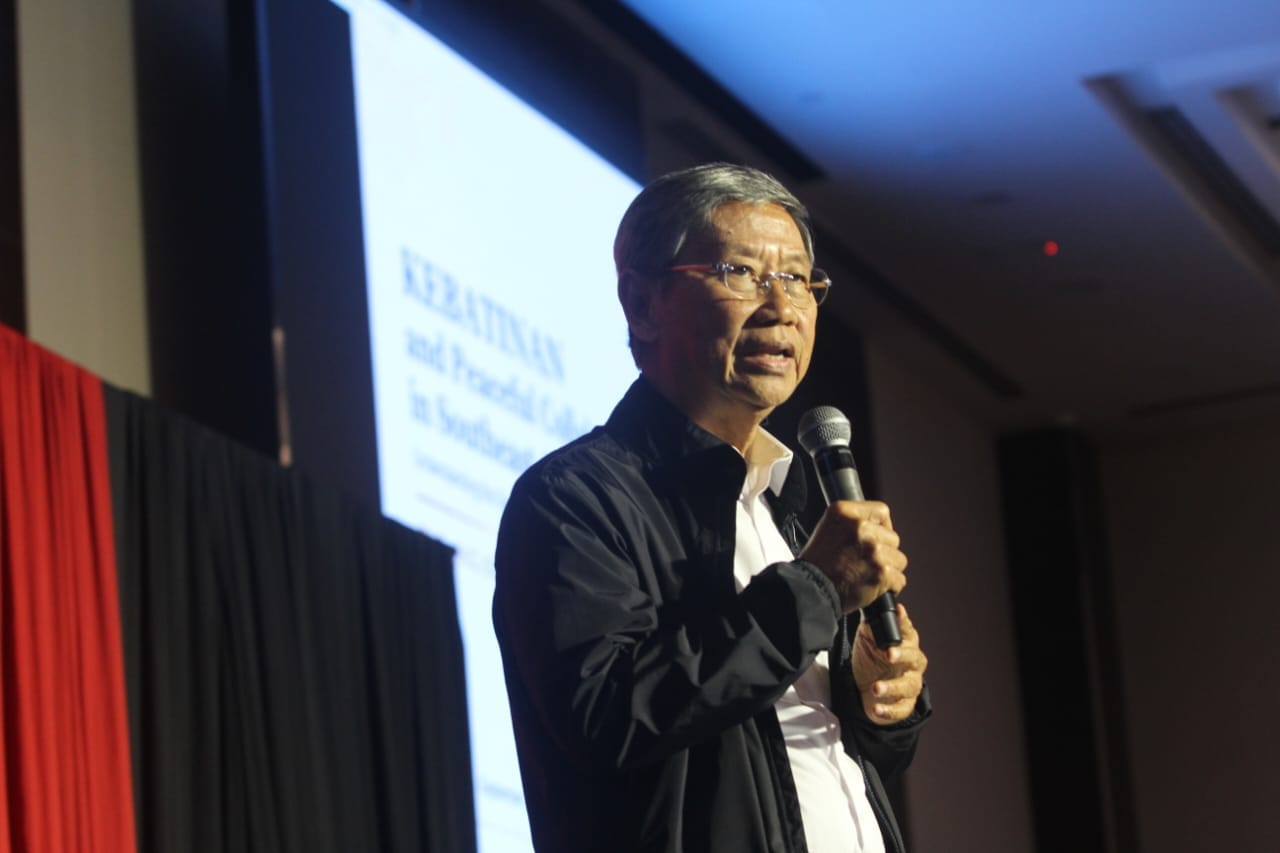
The public programme also featured SD Darmono on Kebatinan and Theosophy and their potential contribution to peaceful collaboration in Southeast Asia.
Penang as a bridge
The choice of Penang as the setting for the dialogue was itself part of the conference’s argument for peace through civilisational exchange. In his welcome address, Dato’ Dr Ooi Kee Beng described peace as more than the absence of war — a state of mind, a culture and a value system.
He described Penang as a place where “many seas meet, and where civilisations congregate”, highlighting its position at the northern end of the Straits of Melaka, the southern end of the Andaman Sea, the eastern end of the Bay of Bengal and the western end of the Nusantara.
Ooi also raised the possibility of establishing a United Nations Secretariat in Southeast Asia, suggesting Penang as a natural home for such an institution.
Chow similarly presented Penang’s centuries of multicultural coexistence as a practical example of how differences could be managed through dialogue and trust.
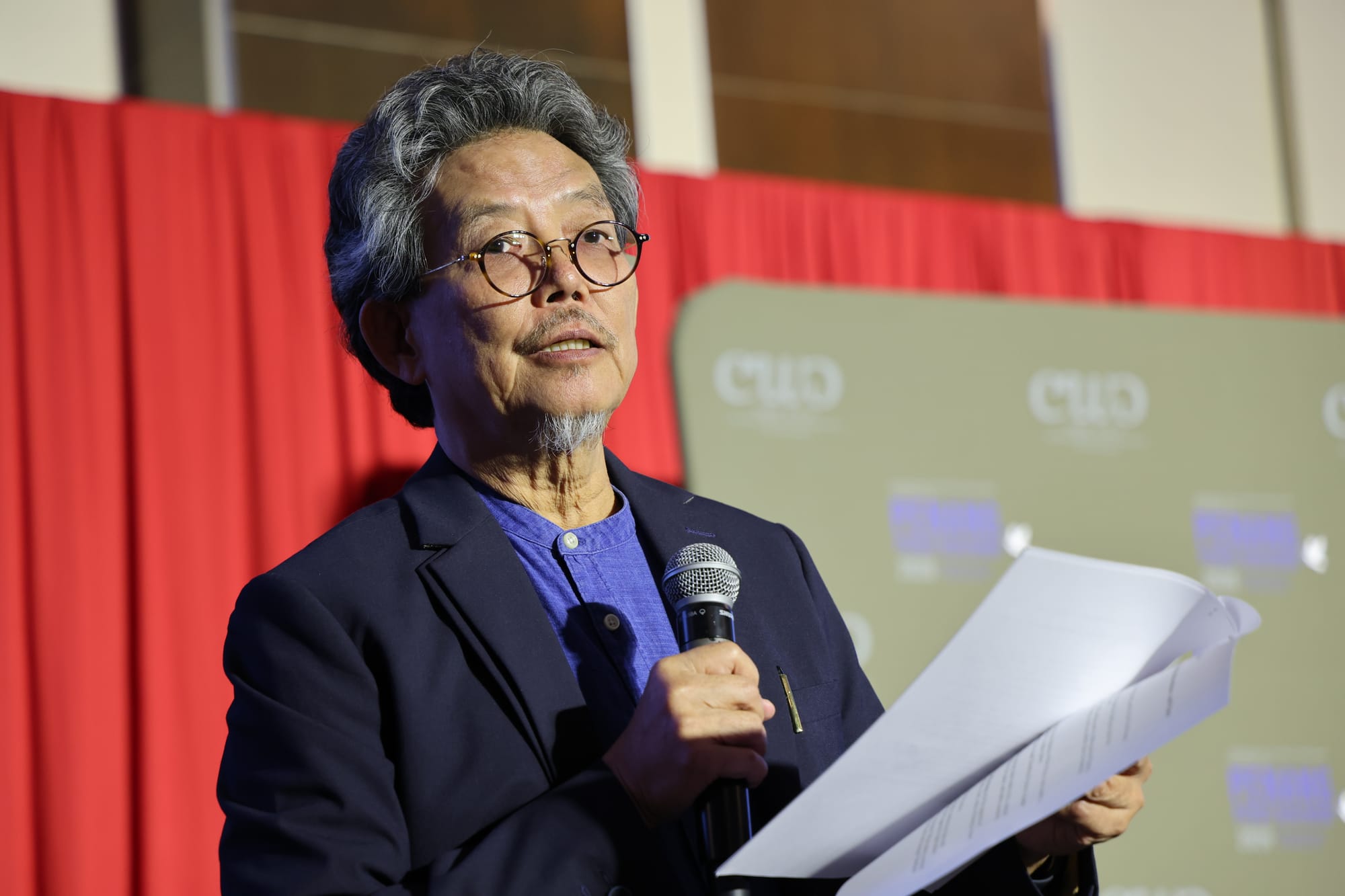
“Connectivity can bring countries together, but trust is what allows them to remain together when interests begin to diverge,” he said.
Beyond the peace dialogue
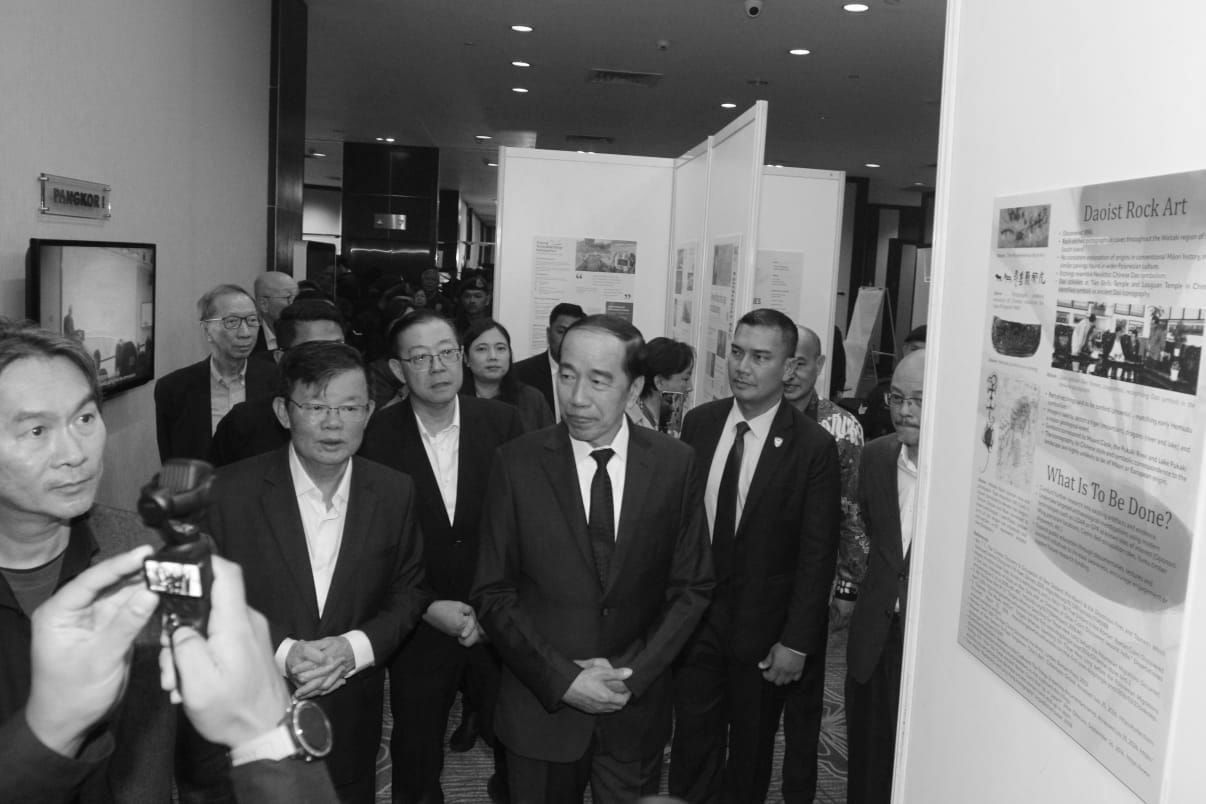
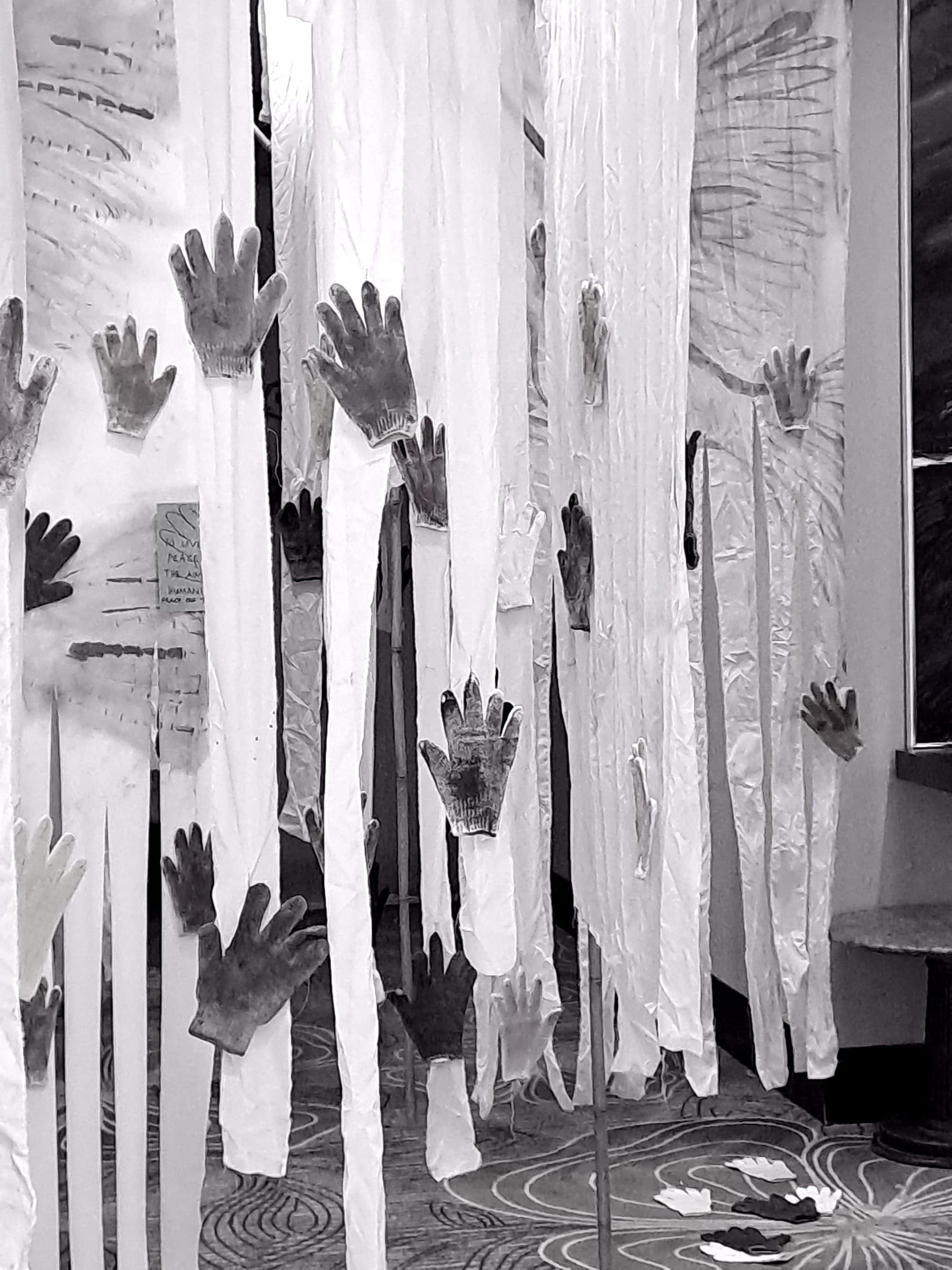
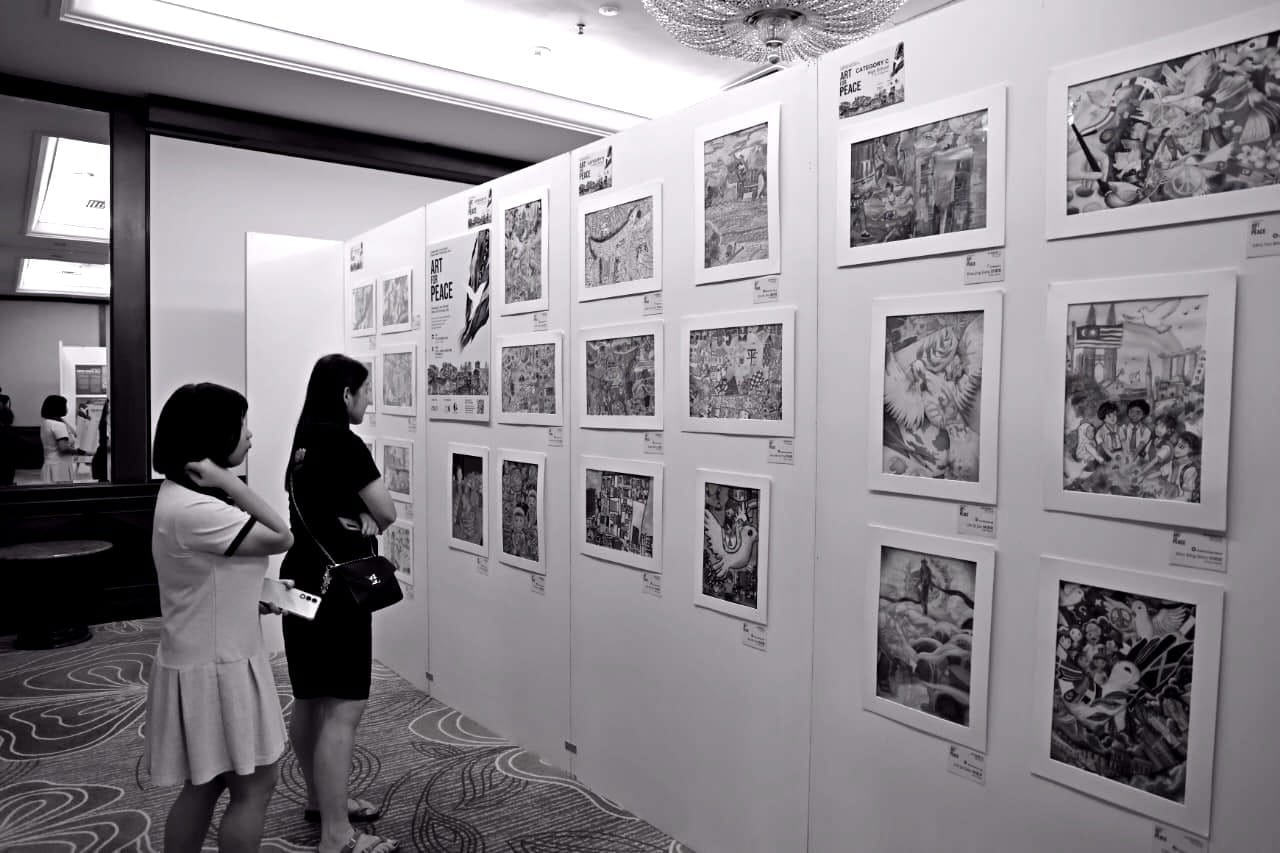
The two-day dialogue formed part of a wider CWC Conference Series that began on September 3 with an Art and Poster Exhibition and workshops involving space education, ancient maritime history, art, culture and regionalisation.
A student and public session drew around 200 students and teachers from six Penang institutions, with discussions ranging from space exploration and aerospace education to the Hidden History of New Zealand and the history of science and civilisation.
The International Youth Space Camp workshop on Sept 4 brought together Tech Dome Penang, the Shanghai Science and Technology Museum and Russia’s Gagarin Cosmonaut Training Centre to explore cooperation between youth space programmes.
The Ancient Frontiers workshop examined the Hidden History of New Zealand and Chechnya’s Noah’s Ark traditions. The Regionalising Art workshop on September 5 explored cultural exchange across Southeast Asia, while the Art and Poster Exhibition featured works by Tan Kwank Liang, the CWC Poster Series, materials on Straits Chinese leader Lim Boon Keng, artefacts from the Hidden History of New Zealand project, Noah’s Ark materials and works from a peace art competition.
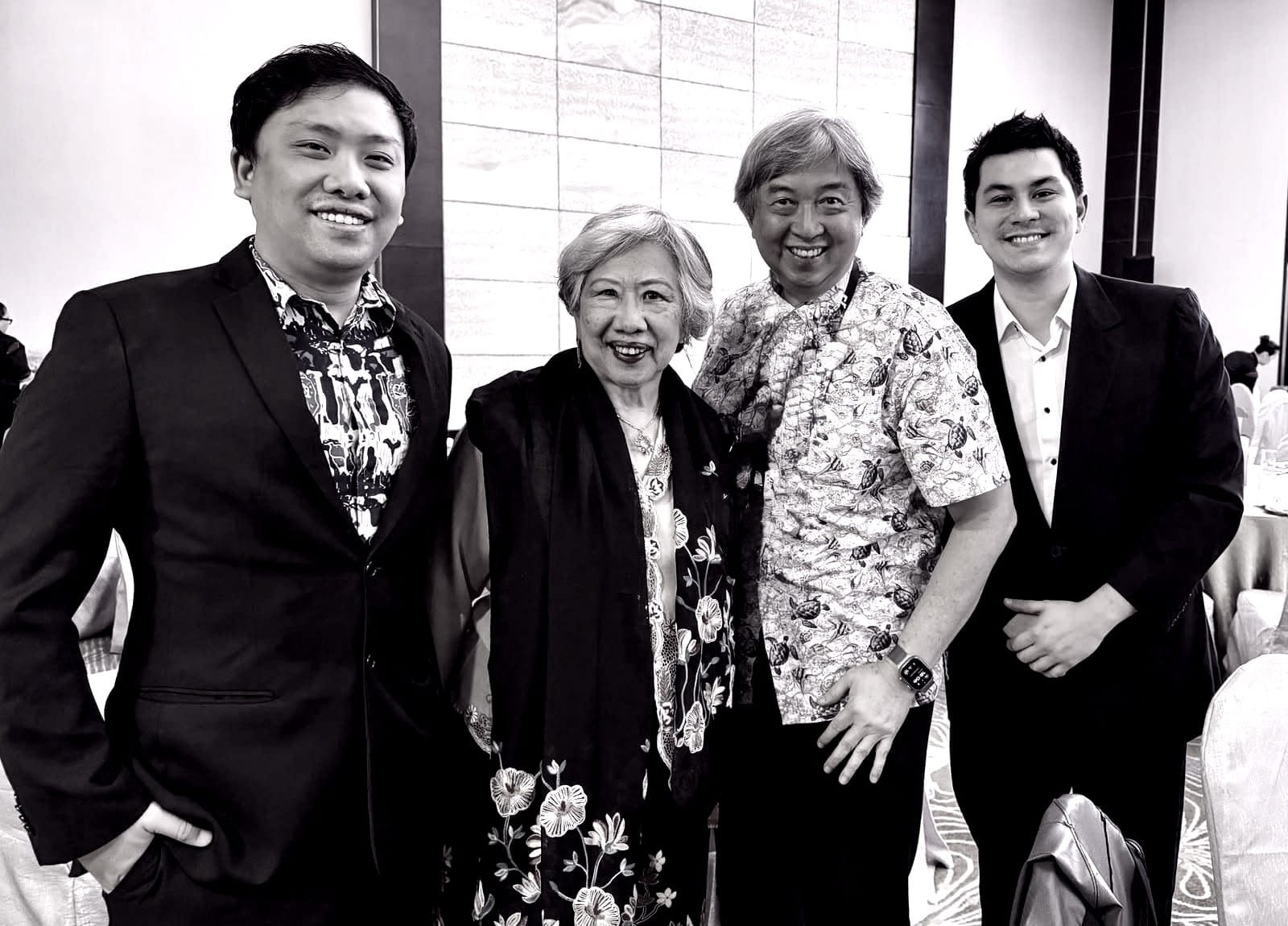
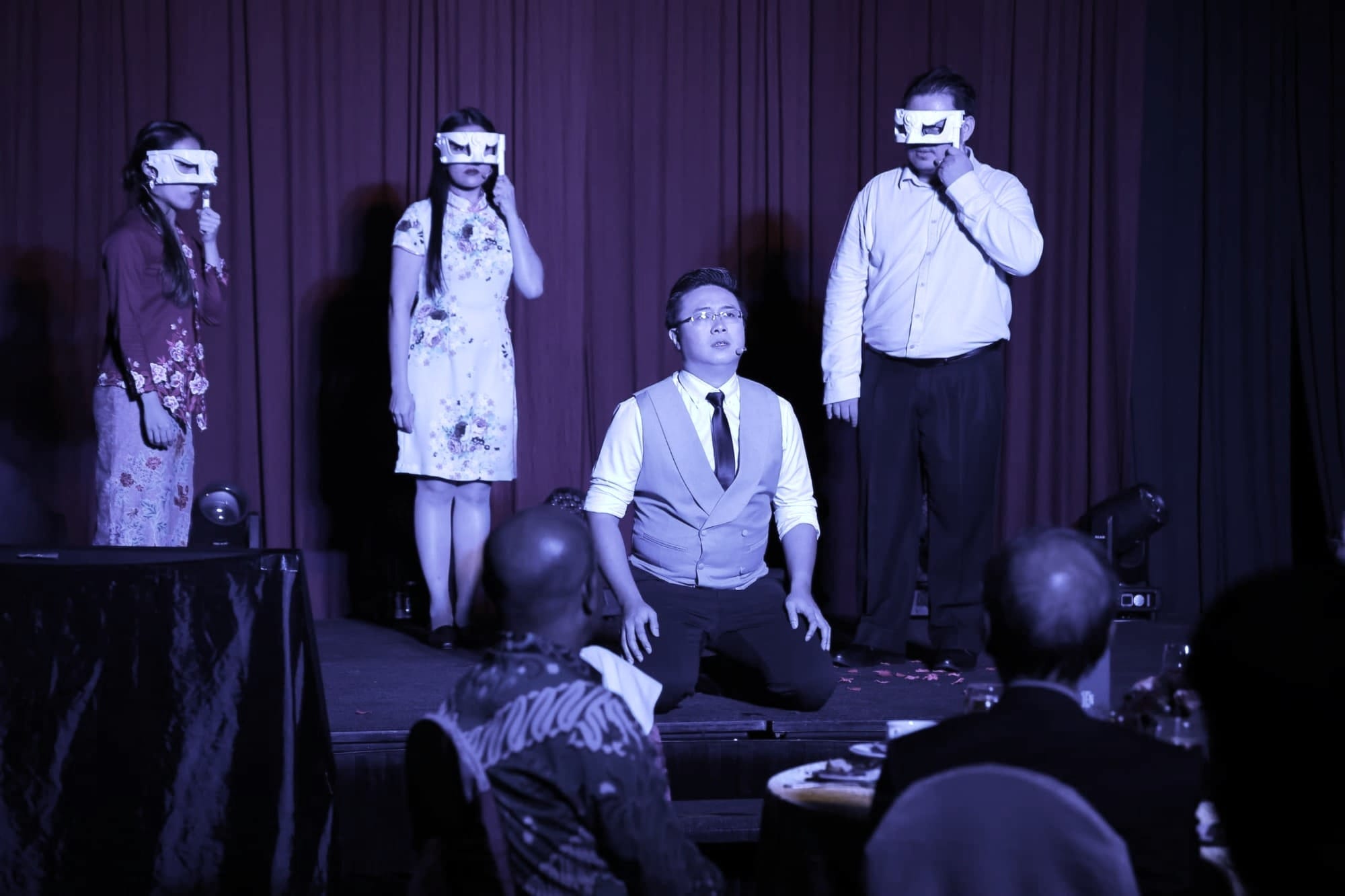
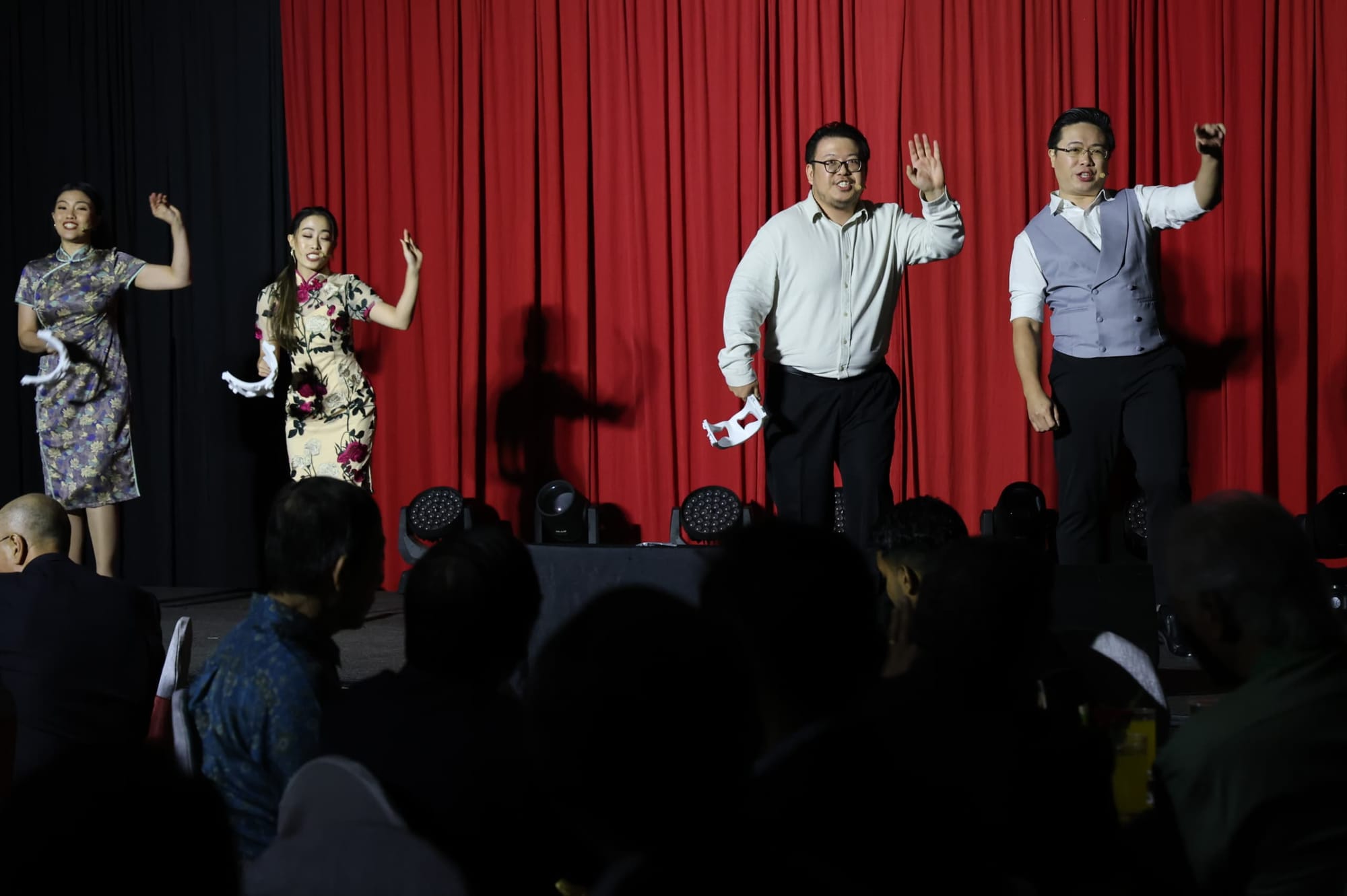
The gala dinner featured Nyonya and Javanese dance performances, an a cappella performance by Vox Camerata and Banquet with Boon Keng, written by Stella Kon with music by Dezz Moey. The evening also featured the Gaza Scholarship Initiative, presented by Chew Kheng Chuan and recipient Nour Gaza.
The dialogue concluded on September 6 with roundtable discussions and participants’ idea submissions.
Two further roundtables examined “Five Hundred Years of Globalisation” and “United Nations and Global Order: Is Reform Necessary and Possible?”, bringing together speakers including Gao, Chang, Lei, Yeoh Lam Keong, Dr Arun Bala and Zainul Abidin Rasheed.
The inaugural Penang Peace Dialogue ended not with a single prescription for peace, but with a collection of ideas for a world searching for new ways to coexist. From Bandung’s legacy and the future of the Non-Aligned Movement to UN reform, ASEAN, cultural exchange, youth and the arts, the two-day gathering demonstrated that peace must be approached from many directions.
Penang’s own history offered a fitting backdrop. For centuries, the island has been a meeting point of peoples, cultures, religions, ideas and trade routes. The challenge now is to translate that spirit of coexistence into a wider global conversation — one where differences are not barriers but bridges.
The first Dialogue may therefore be best seen as a beginning rather than an endpoint. With the second Penang Peace Dialogue scheduled for September 4 to 5, 2027, Penang has an opportunity to build on the momentum, deepen the conversations and strengthen its role as a meeting place for ideas on peace, cooperation and shared prosperity.

Media coverage of Penang Peace Dialogue 2026
Bernama news: Jokowi calls on leaders, people to build peace through mutual understanding
NST Online: Jokowi calls on leaders, people to build peace through mutual understanding
Bharian.com.my: Asas keamanan bermula daripada kesudian pemimpin, rakyat saling mendengar, memahami — Jokowi
FMT: People must trust their leaders during times of conflict, says Jokowi
Astro: People must trust their leaders during times of conflict, says Jokowi
CNN Indonesia: Jokowi Sebut Masyarakat Harus Percaya Pemimpin di Tengah Konflik
The Vibes: Jokowi to deliver keynote address at Peace Dialogue in Penang
Bernama News: Jokowi seru pemimpin, rakyat perkukuh keamanan menerusi persefahaman bersama
Buletin Mutiara: Trust can bridge differences in multipolar world, says Chow. Click here
Oriental Daily: 全球军费激增推高经济成本 经济学家警告停滞性通膨风险再临 Click here
Oriental Daily: 佐科威:领导不只是战略与权力 更要理解人民 Click here
theSun Daily: Leaders, people must understand each other for peace to take root: Jokowi
theSun Daily: Penang proposed as UN Secretariat base
SCMP: China will never allow any country in this world to achieve AI dominance: Victor Gao
INDO Spektrum: Potret Jokowi bicara di forum Penang Peace Dialogue 2026
Astro Awani: Interview with Victor Gao