

- Reframing Bali beyond exoticism: The exhibition challenged stereotypical “tropical paradise” imagery by exploring Bali as a complex cultural and artistic node connected to global modernism, migration and postcolonial identity.
- Mapping transnational artistic networks: Through artists from Mexico, China, Singapore, Malaysia, Thailand and Indonesia, the exhibition demonstrated how artistic modernism developed through multidirectional exchanges rather than one-way Western influence.
- Linking history with contemporary realities: By juxtaposing archival materials with contemporary installations, the exhibition examined how issues such as tourism, ecology, urbanisation and cultural identity continue to shape Southeast Asia today.
By Lin Siu-loong
THROUGH Global Art Dialogues from Mexican modernism and Chinese ink traditions to contemporary Southeast Asian installations, the recent exhibition Bali: Art and the World Beyond the Rainforest at the Guangzhou Academy of Fine Arts (GAFA) Art Museum offered a sweeping re-examination of Southeast Asia’s place in global art history. Held from March 20 to May 10, 2026 at the University Town campus, the exhibition was organised by the GAFA Art Museum and the Center for New Museum Studies (CNMS), with joint curators Hu Chao and Lim Cheng Tju leading the project.
Rather than presenting Bali merely as a tropical paradise, the exhibition investigated how the island evolved into a vital artistic crossroads linking China, Southeast Asia, the Americas and the wider modern art world. Through paintings, woodcuts, archival materials, photography, textile installations and multimedia works, the exhibition challenged simplistic “rainforest” imagery and instead revealed Southeast Asia as a dynamic region deeply intertwined with global artistic movements.
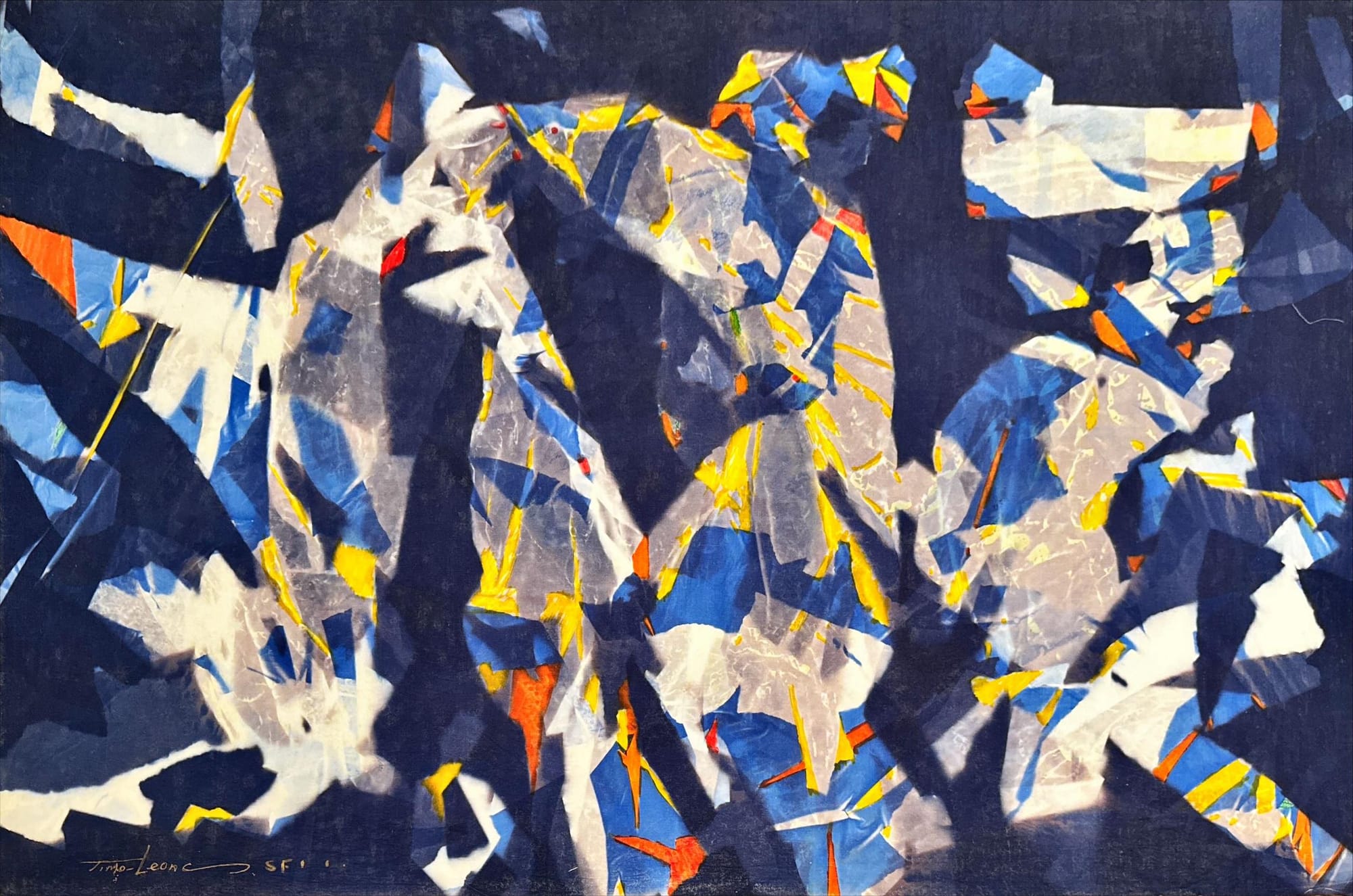
Bali as a global artistic crossroads
At the heart of the exhibition was the idea that modern art did not simply flow from Western capitals outward to the rest of the world. Instead, artistic modernism emerged through overlapping exchanges among artists from different nations and cultures.
One of the exhibition’s historical anchors was Mexican artist Miguel Covarrubias, whose travels in Bali during the 1930s helped introduce the island to international audiences. Known for his involvement in the Harlem Renaissance and his illustrations for publications such as The New Yorker and Vanity Fair, Covarrubias transformed Bali’s coconut groves, fishing villages and ceremonial dances into globally recognisable visual symbols.
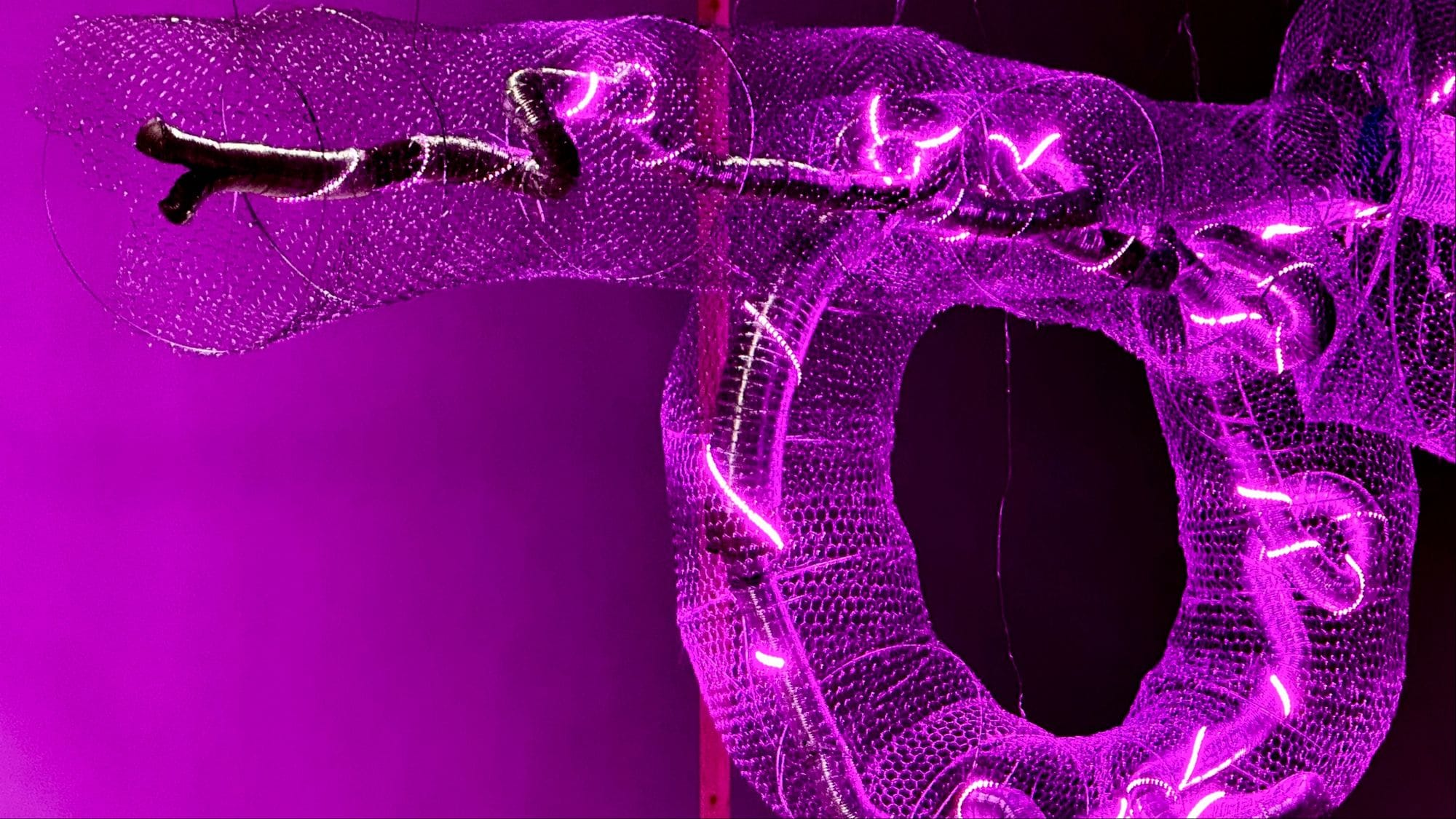
The exhibition also traces lesser-known but highly influential artistic journeys from Asia. In 1947, celebrated Chinese artists Guan Shanyue and Wang Lanruo embarked on “Nanyang sketching” trips through Southeast Asia. Their works documented regional landscapes and cultures through the lens of Chinese ink traditions, marking a pivotal moment in the “southward turn” of modern Chinese art.
That artistic dialogue deepened further in 1952 when Singapore’s pioneering artists — Chen Wen Hsi, Liu Kang, Cheong Soo Pieng and Chen Chong Swee — travelled to Bali. Their resulting paintings helped define the influential “Nanyang Style,” blending Eastern aesthetics with Southeast Asian subject matter and modernist experimentation, including Tan Kwank Liang's exhibit, MacBoCage (2026). A site-specific reimagining of the artist’s landmark 2000 work, this installation used an "urban cage" of industrial materials to critique the Southeast Asian transition from rainforests to disciplined high-rise living. According to the curators, these artists were not isolated figures but interconnected participants in a wider transnational network linking China, Southeast Asia and Latin America.
Malaysian and Singaporean connections
The exhibition also highlighted strong Malaysian and Singaporean contributions to the evolution of Southeast Asian modern art.
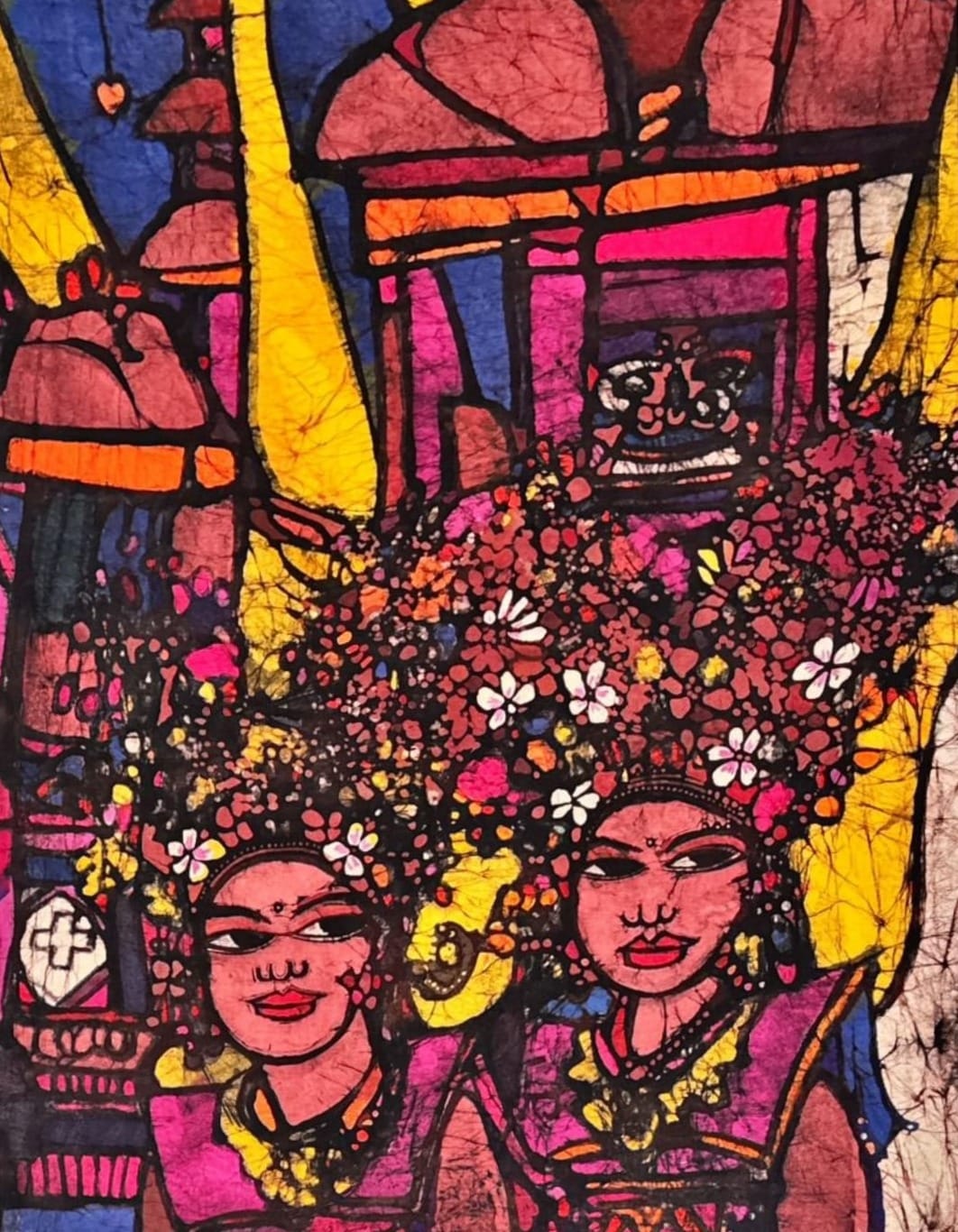
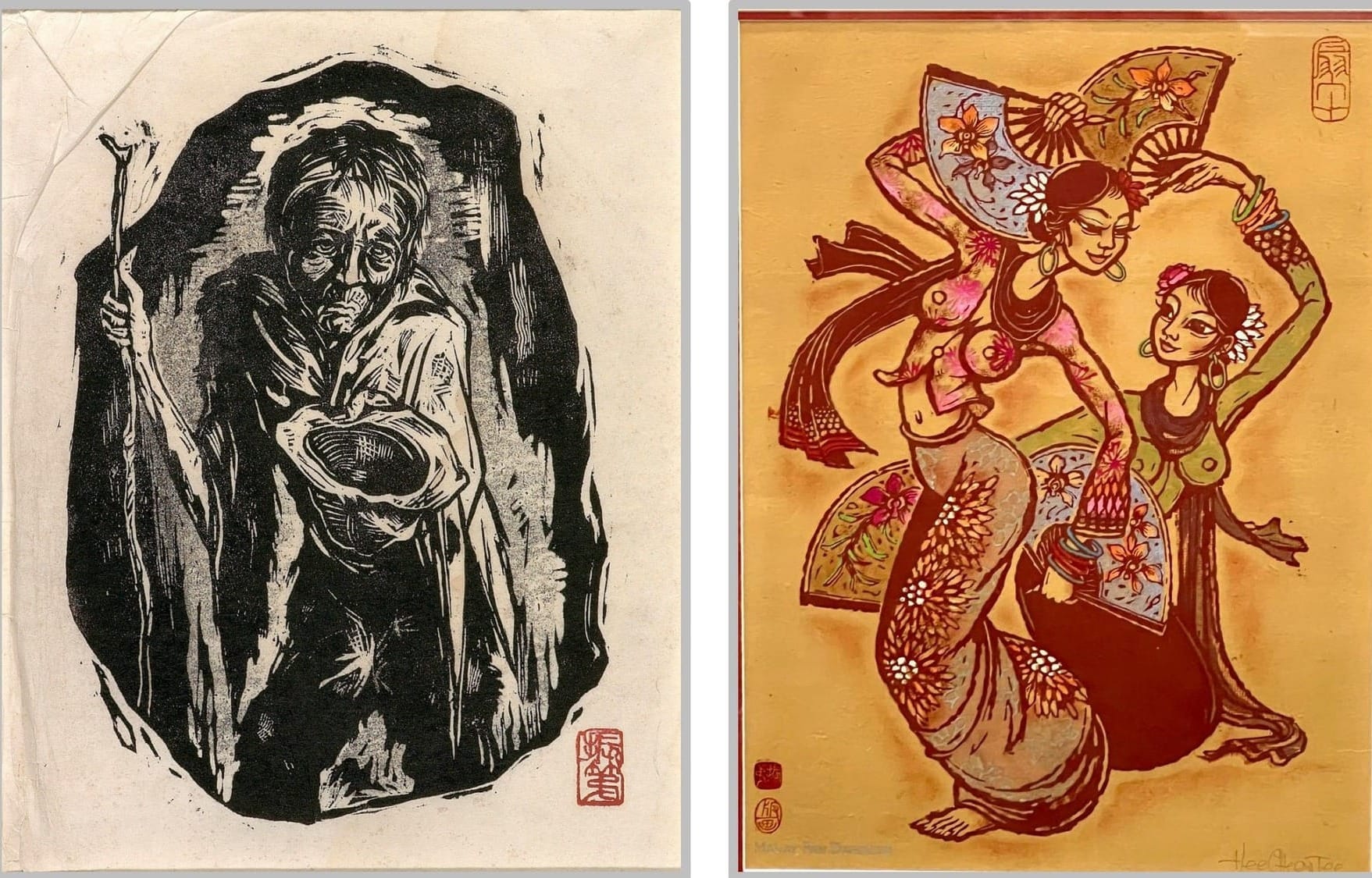
Among the featured artists is Tay Mo-Leong, widely recognised for elevating batik into a fine art medium. His celebrated Bali series captured the spiritual and emotional rhythms of Southeast Asia while merging traditional craft with abstract expressionism.
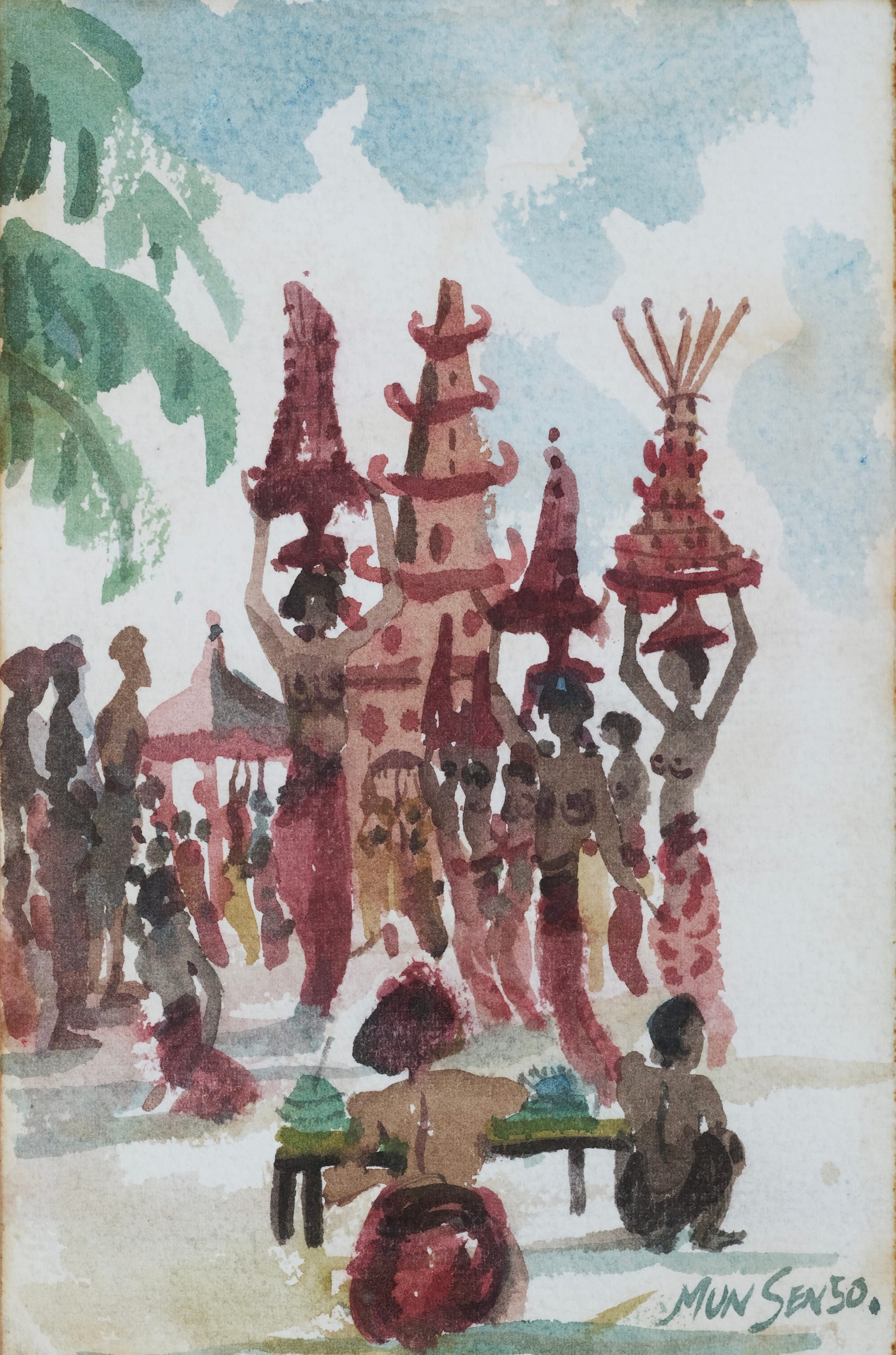
Another important figure featured was Yong Mun Sen, often regarded as a pioneer of Malaysian art. The exhibition presented one of his Bali watercolours painted even before he visited the island, underscoring how Bali functioned as a powerful artistic imagination within the development of Nanyang identity.
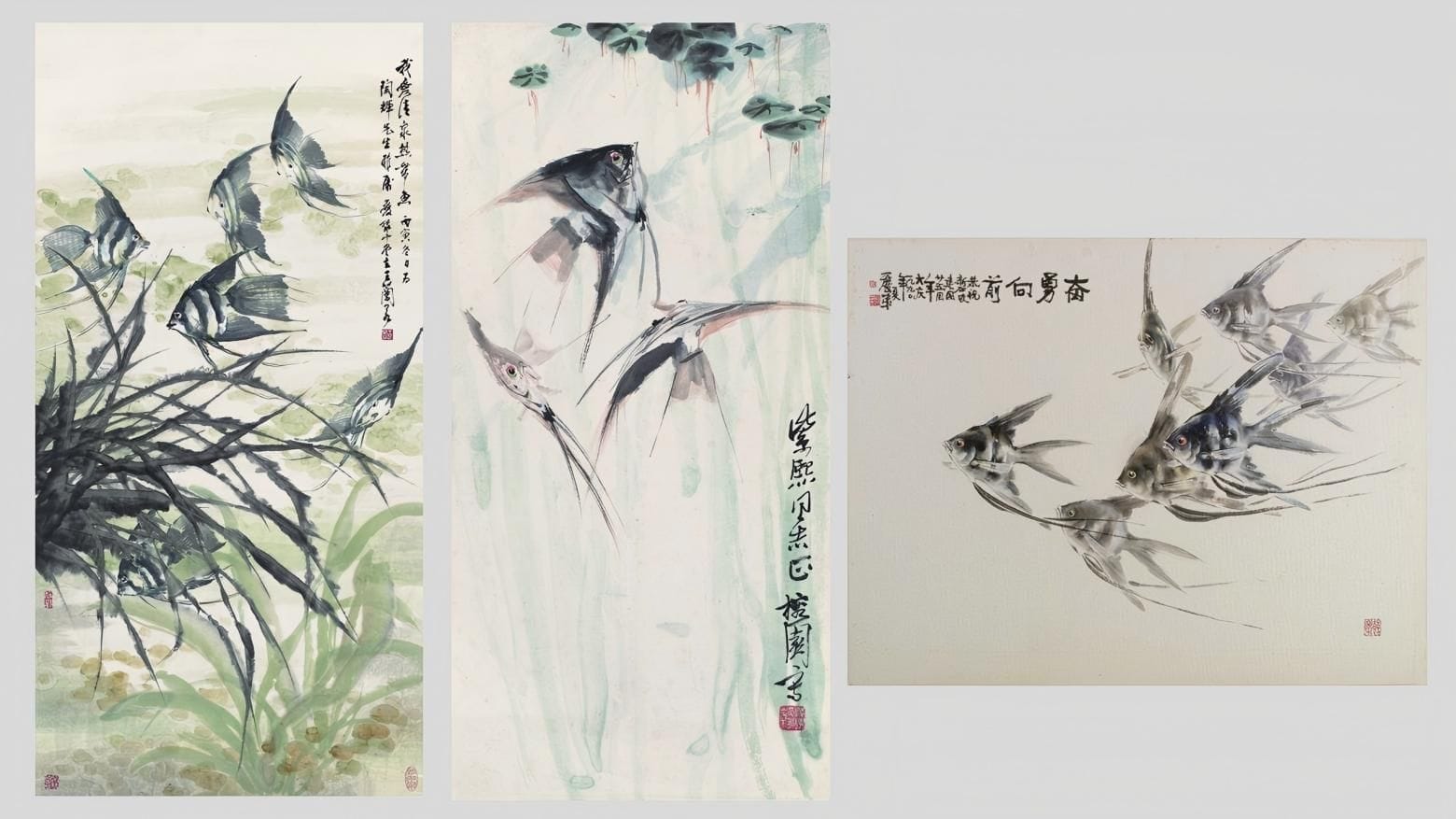
The exhibition also shed light on the fascinating story of Wang Lanruo’s encounter with tropical fish during his 1947 stay in Penang. Hosted by patron Loh Cheng Chuan, Wang became captivated by the vibrant aquatic life and later pioneered tropical fish imagery within Chinese ink painting traditions.
Curator Hu Chao noted that Wang’s recurring inscription, “I love tropical fish in clear springs,” could have been a poetic tribute to his Penang host. Singapore’s experimental art scene was represented through artists such as Koh Nguang How, co-founder of The Artists Village, whose photographic installation explored performance art and local cultural memory.
Contemporary Southeast Asia reimagined
While rooted in historical narratives, the exhibition also confronted urgent contemporary issues shaping Southeast Asia today.
Thai contemporary artist Rirkrit Tiravanija presented a towering bamboo installation inspired by Shanghai skyscrapers, reflecting on rapid urbanisation across Asia.
Balinese artist Ines Katamso contributed a large-scale textile installation created using pigments extracted from construction debris such as bricks, rust and concrete. Her work critiqued the environmental pressures caused by mass tourism and unchecked development in Bali. And Indonesia’s internationally acclaimed Heri Dono combined Javanese shadow puppetry traditions with contemporary visual language to challenge dominant Western narratives about Southeast Asia.
Meanwhile, Singaporean artist Robert Zhao Renhui explored the relationship between tropical nature and national identity through his photographic series Singapore, Very Old Tree. Together, these contemporary works extended the exhibition’s central question: how has Southeast Asia been imagined, represented and reconstructed across different historical eras and artistic perspectives? For audiences in China and beyond, Bali: Art and the World Beyond the Rainforest offered more than an art exhibition — it was a broader reflection on Southeast Asia’s enduring role within global cultural conversations.
Read Reframing Southeast Asian art in a decentralised world here and Breaking the frame: Reimagining Southeast Asian art across borders and platform here.



