From sociology and journalism to painting and AI, Lim Siang Jin’s latest exhibition explores how creativity evolves through experience, dialogue and the unexpected power of constraints
- A journey from sociology, journalism and publishing back to art
- Why creativity flourishes through limitations rather than freedom alone
- Looking at technology, humanity and the future of artistic expression
By Lin Siu-loong
CREATIVITY is often imagined as the product of freedom. Yet, according to artist Lim Siang Jin—and echoed by those who know his work best—it is often our limitations that become the source of our greatest imagination.
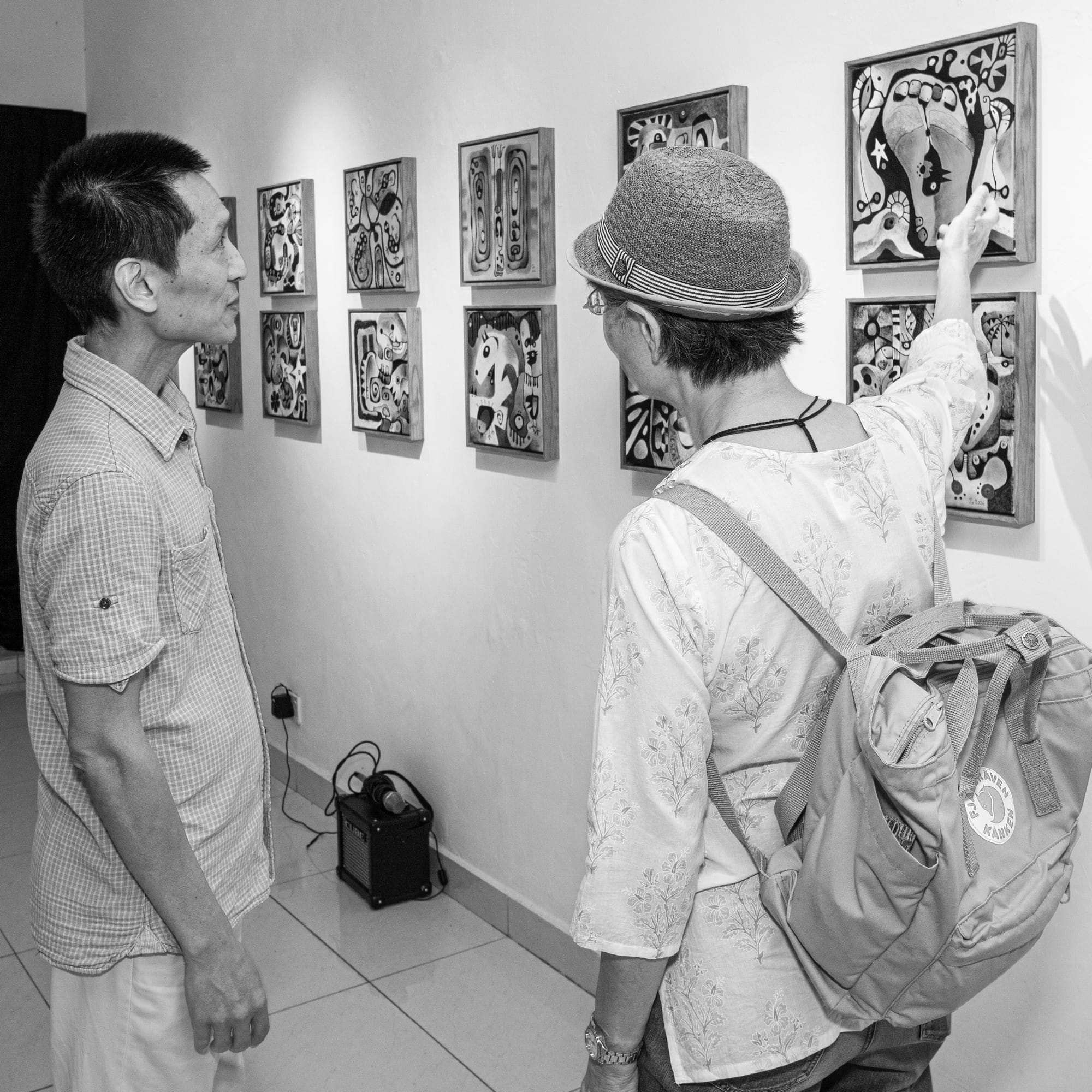
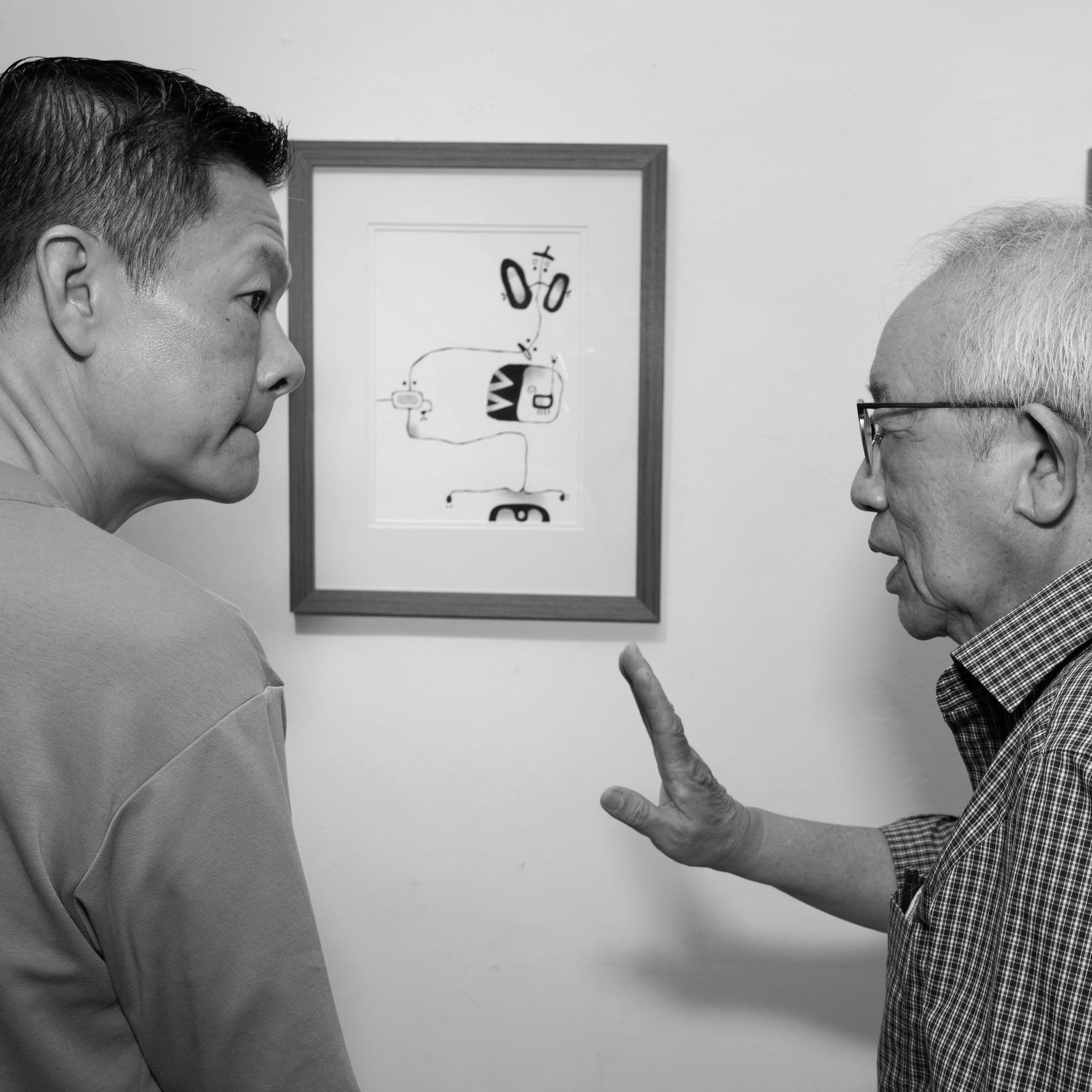
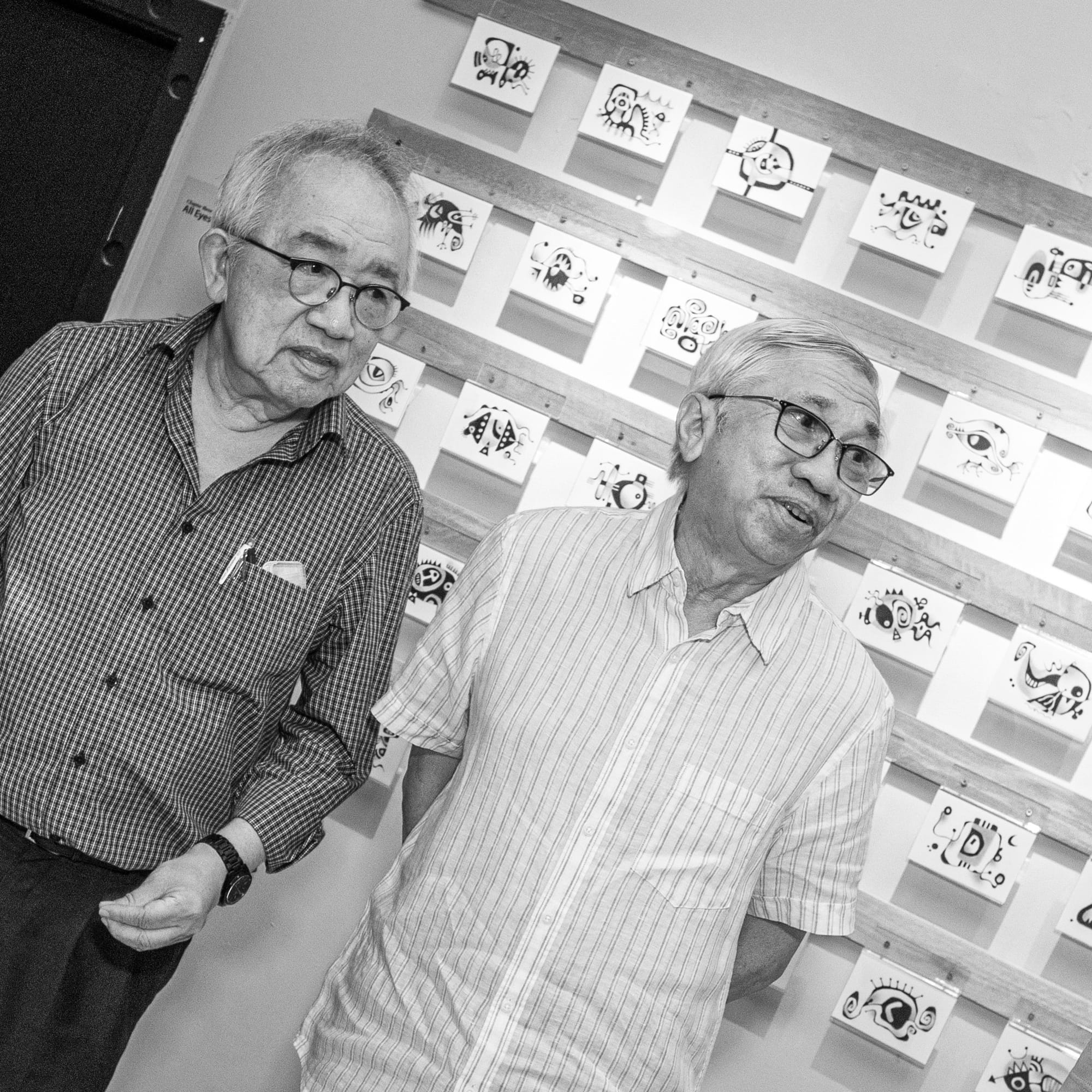
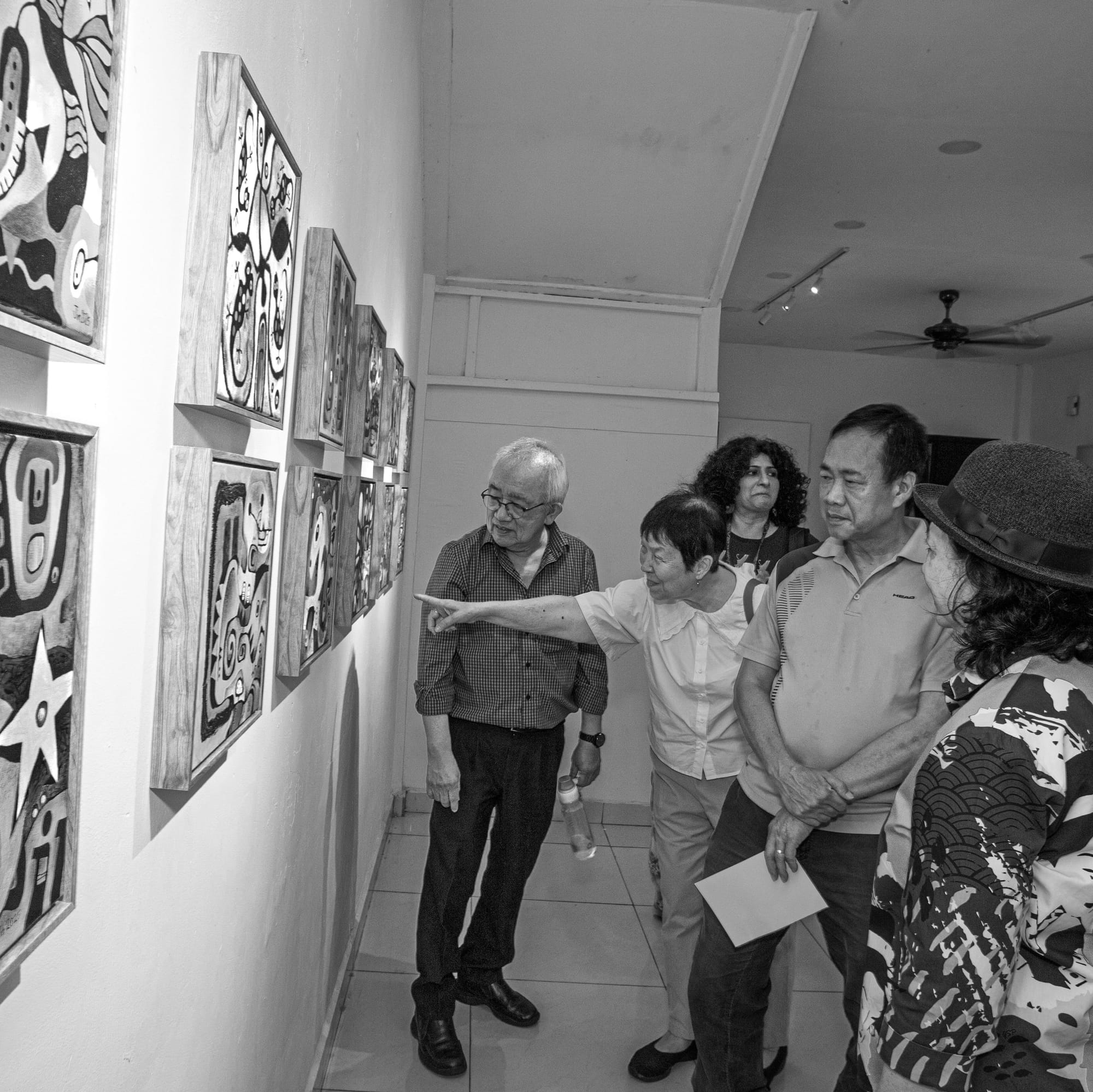
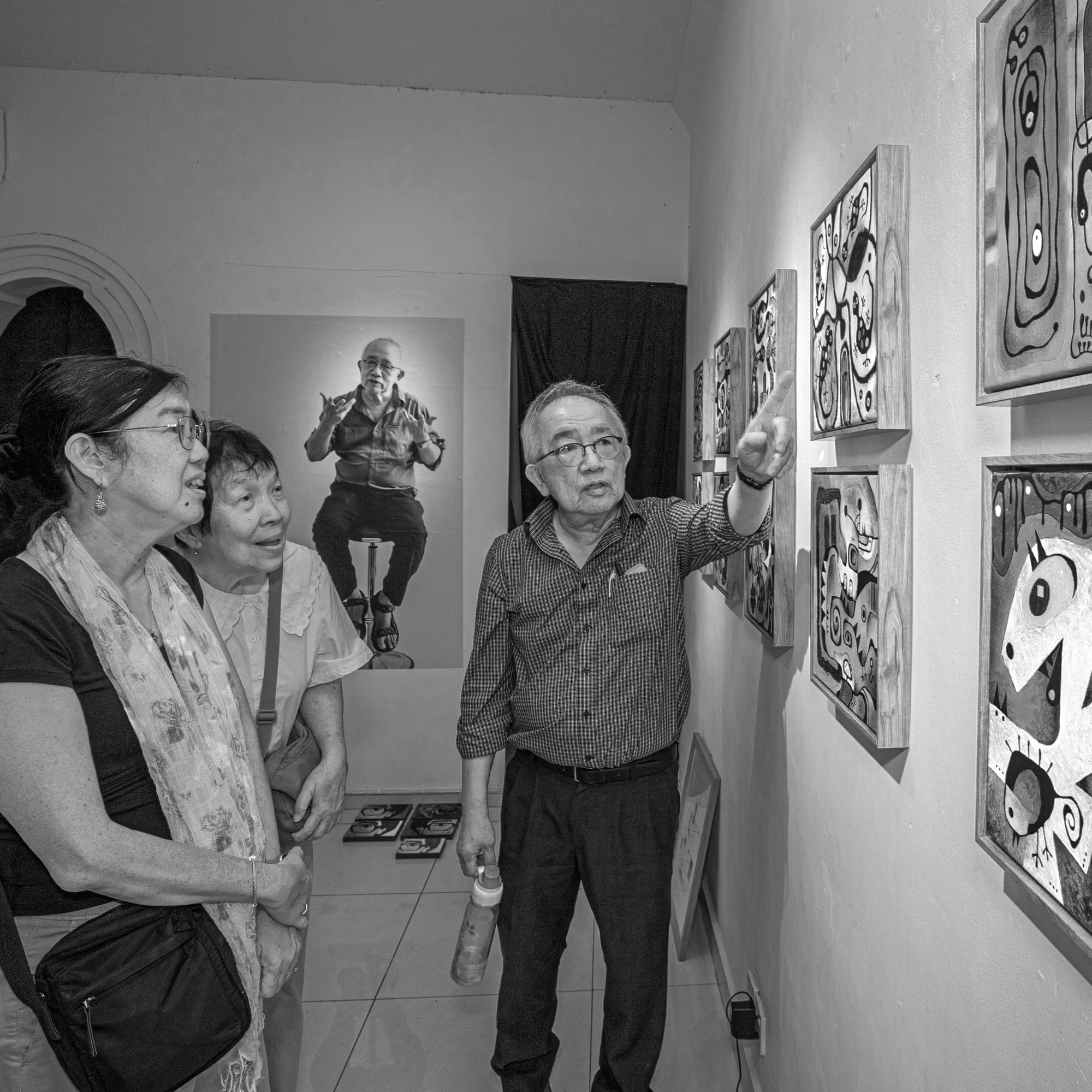
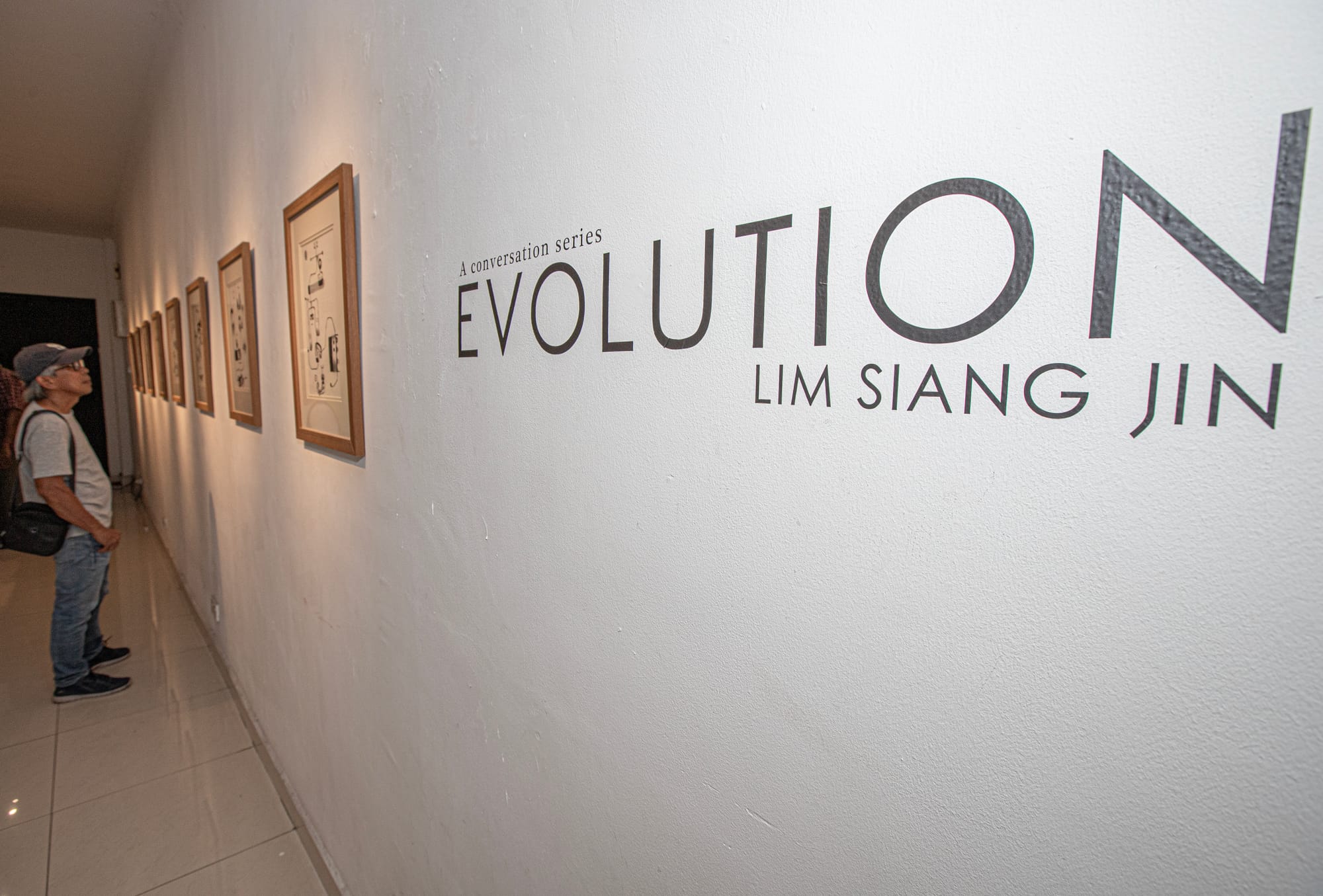
That philosophy lies at the heart of Evolution, Siang Jin’s latest solo exhibition at ArtVoice Gallery in Sentul, Kuala Lumpur. More than a display of paintings, drawings and an art installation, the exhibition is an invitation to explore how a lifetime of experiences—from sociology and journalism to publishing and market communications—can converge into a unique artistic language.
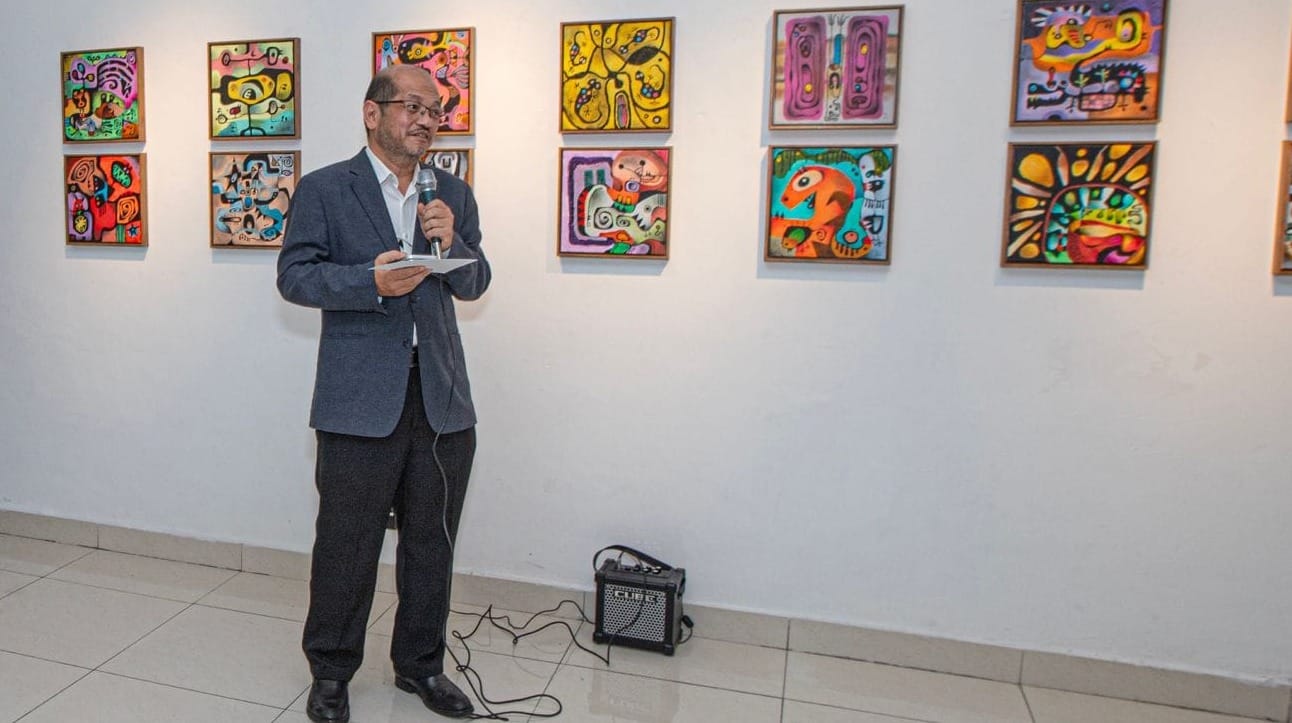
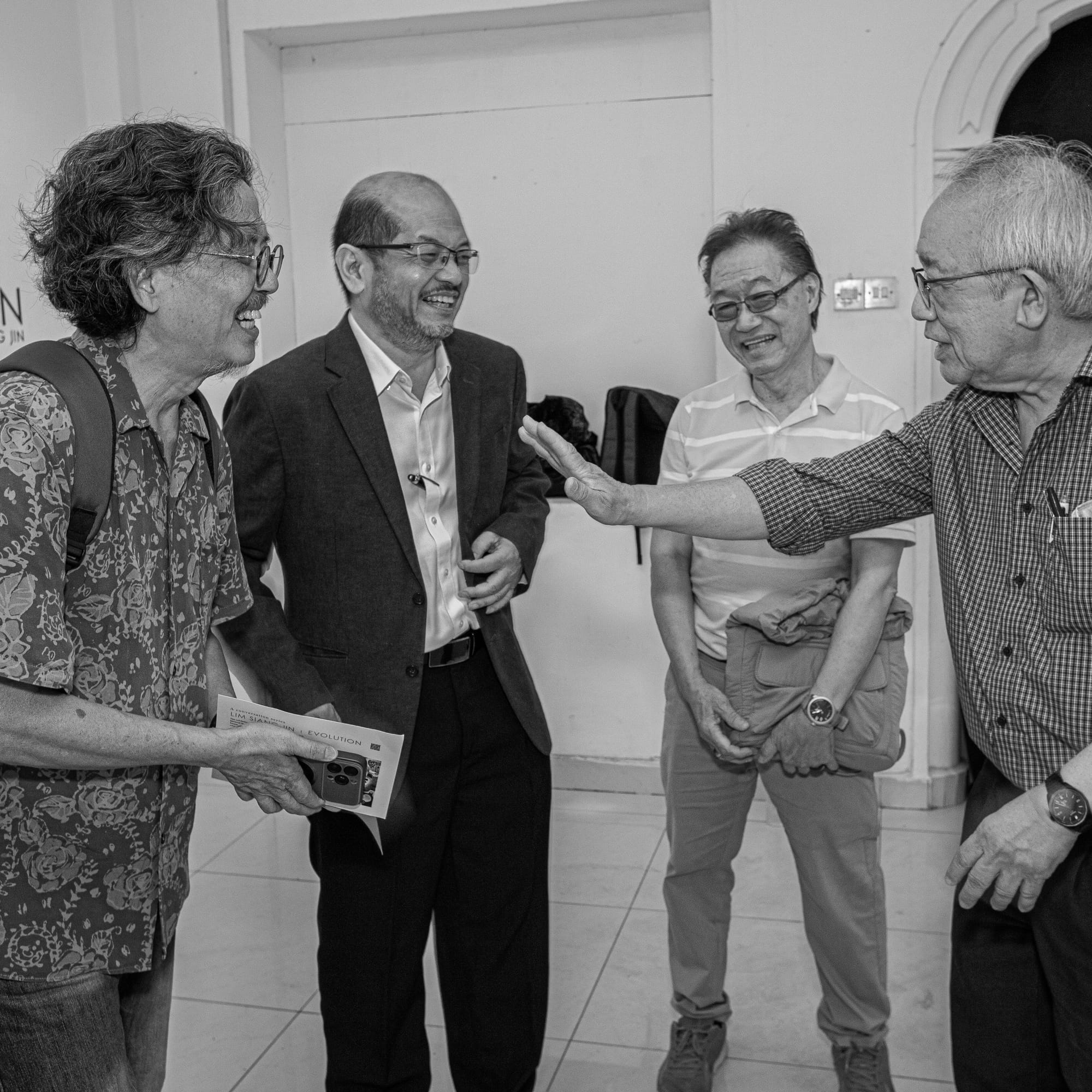
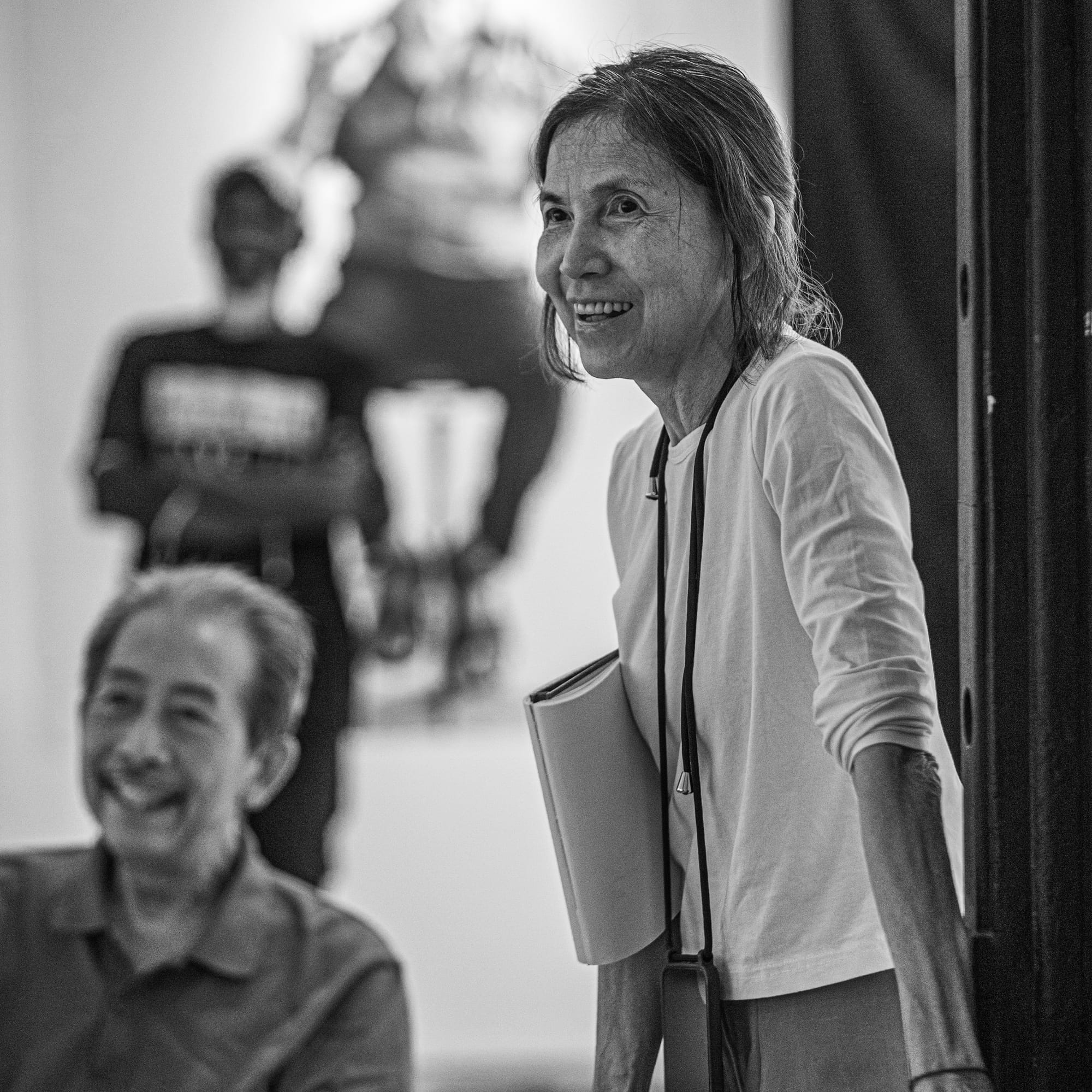
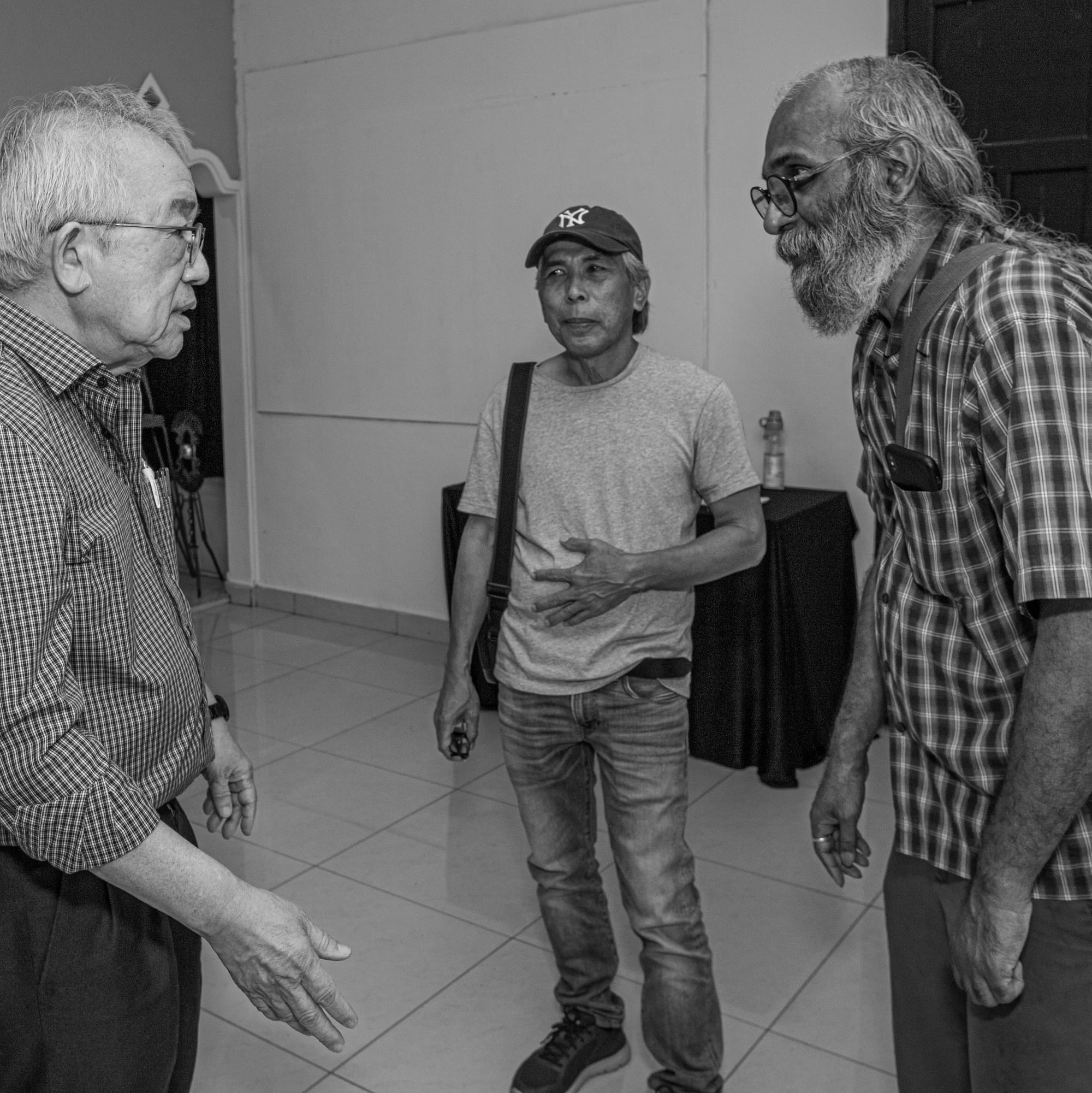
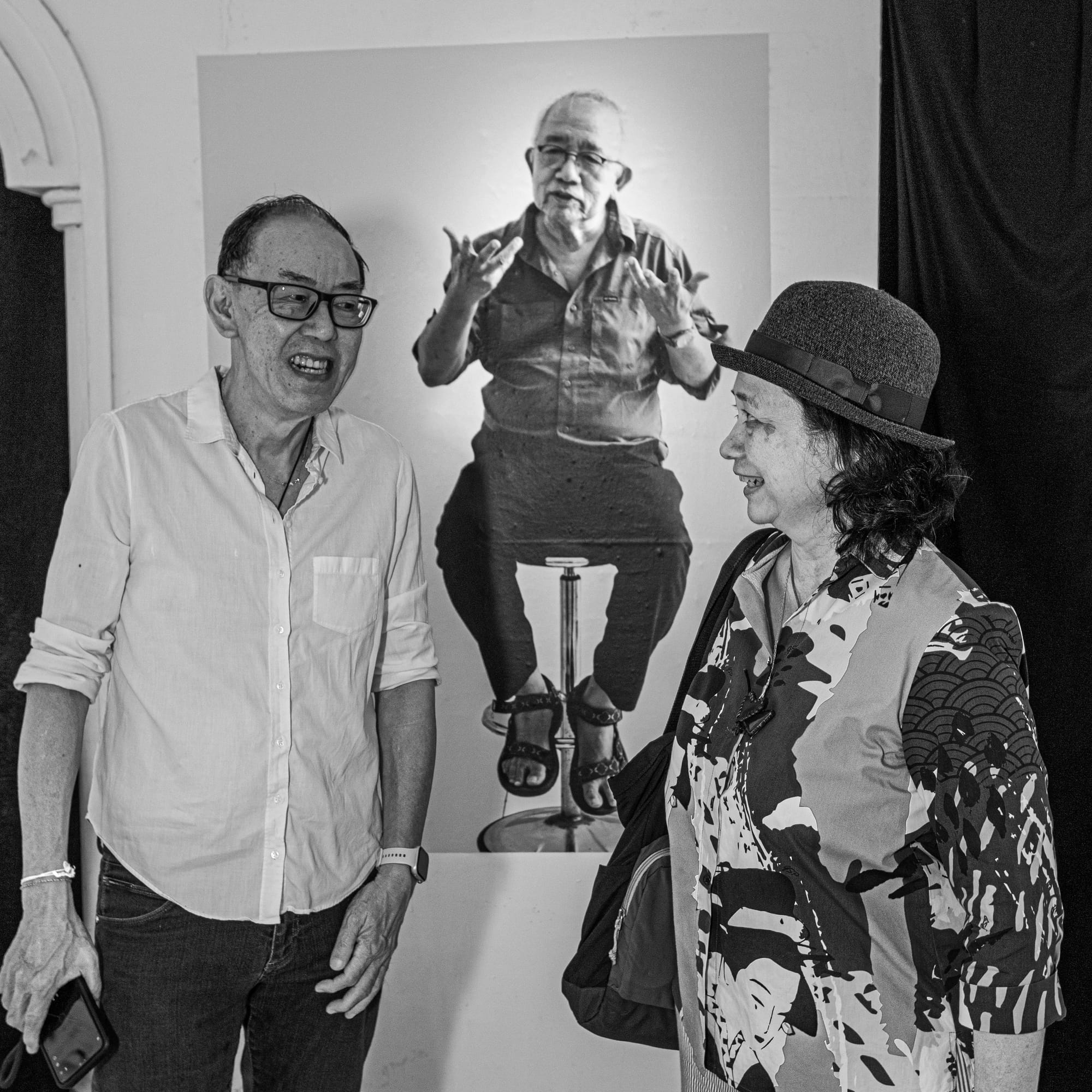
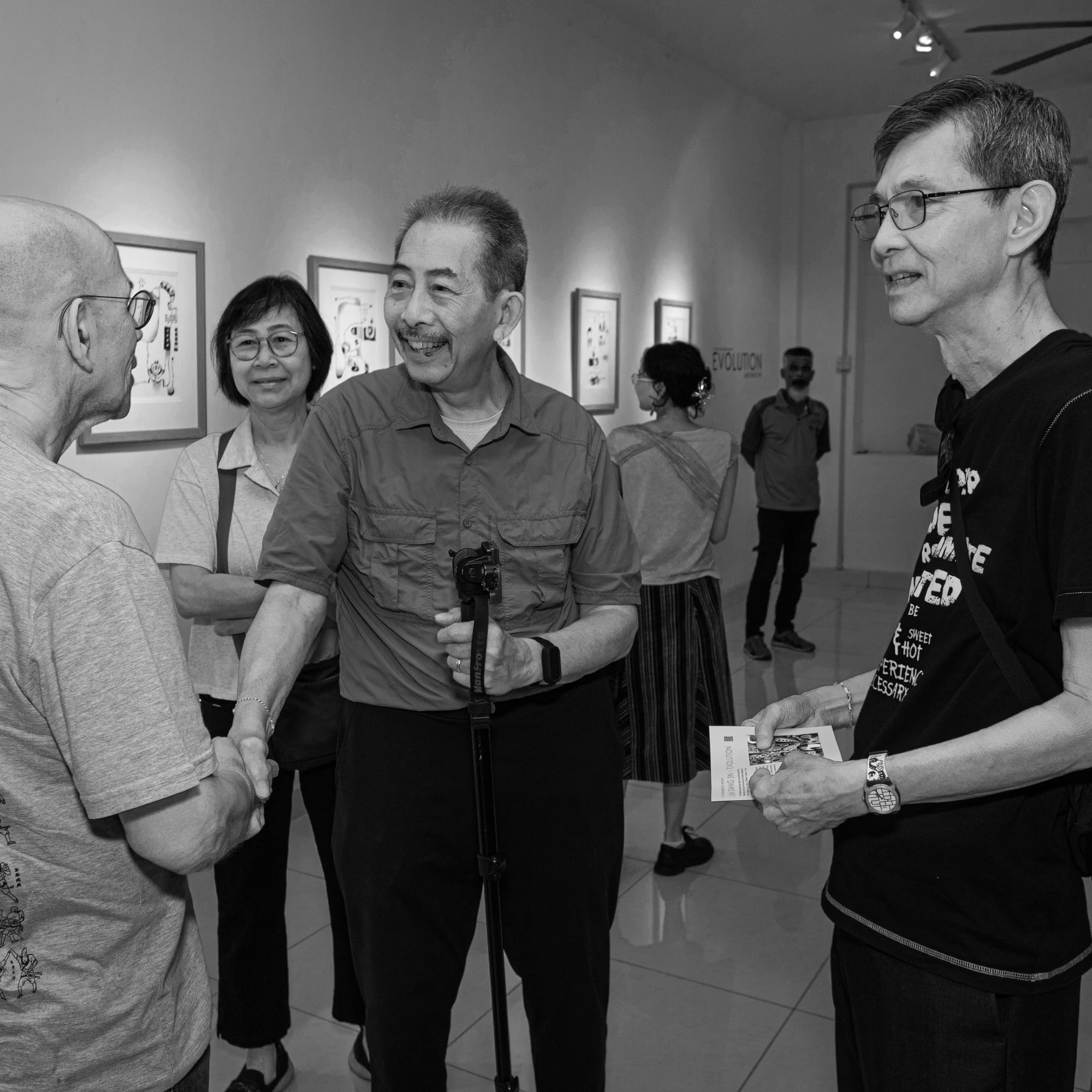
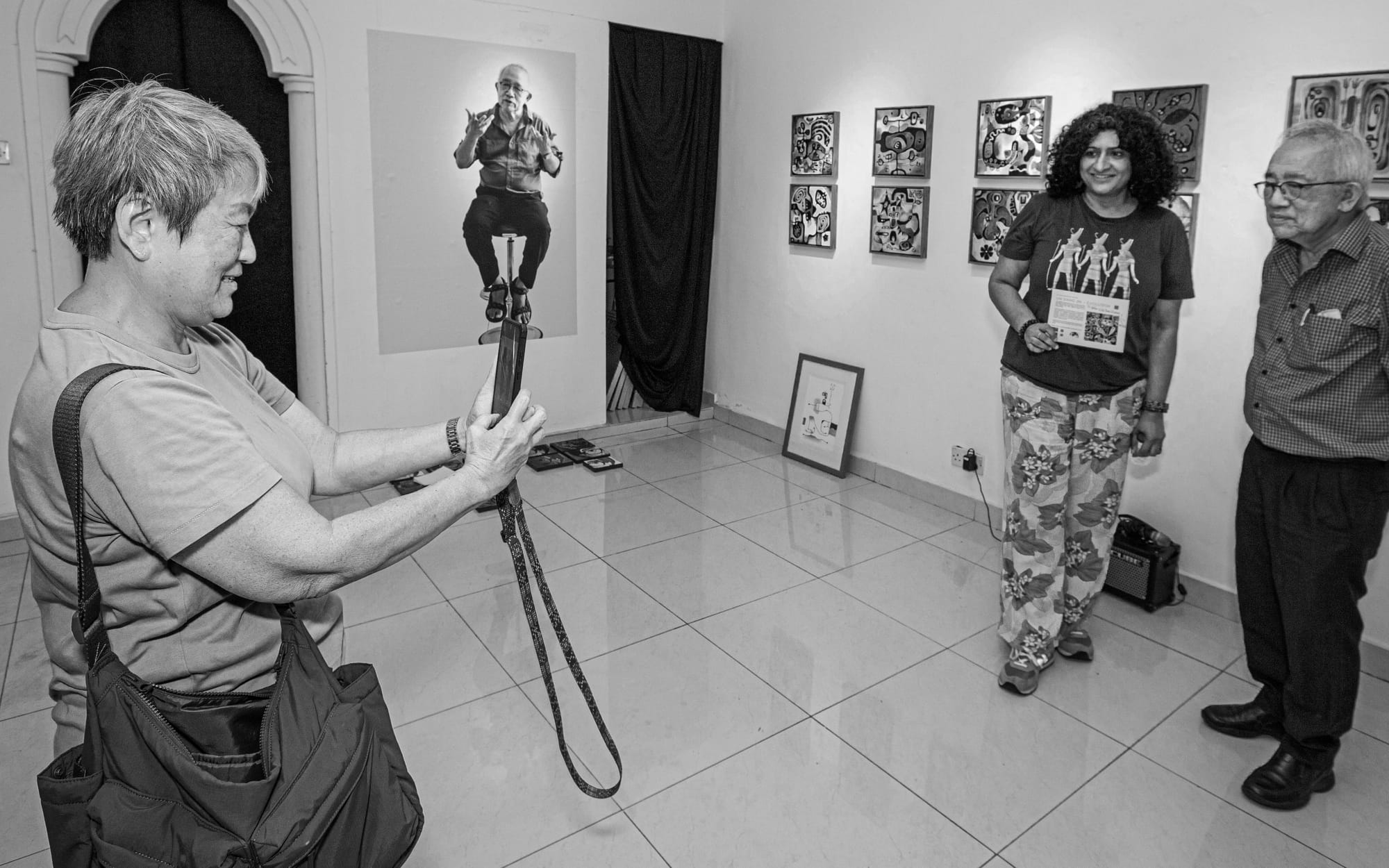
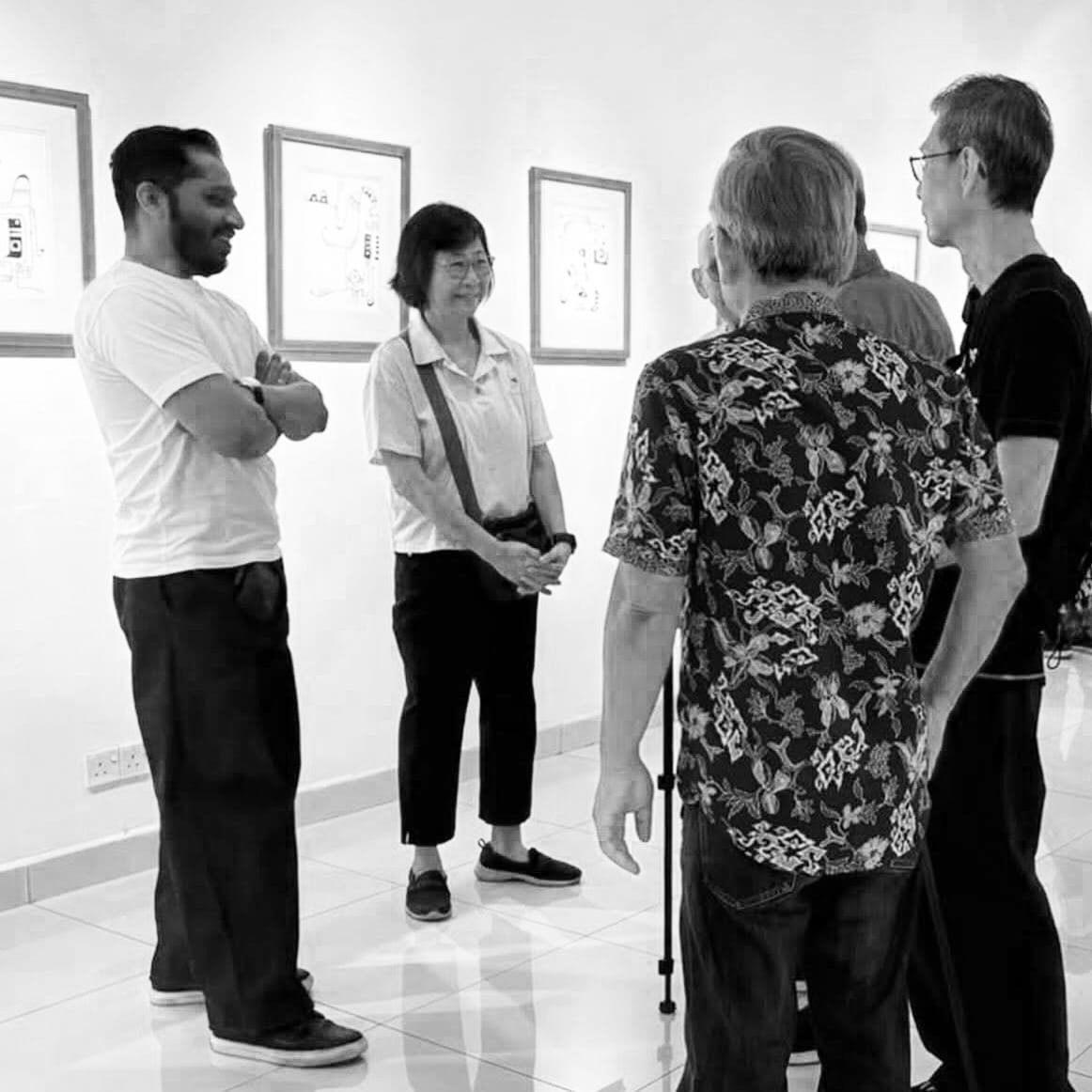
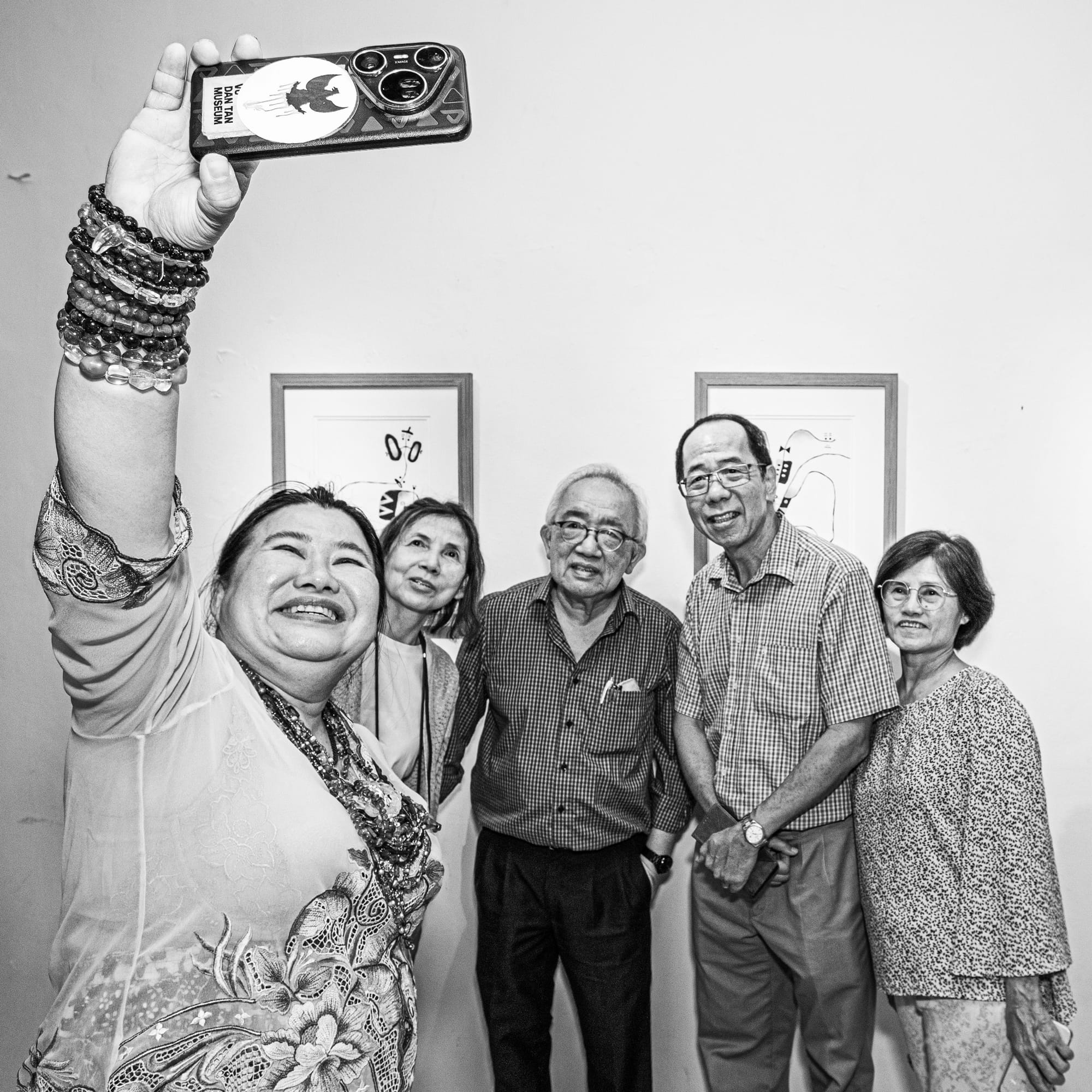
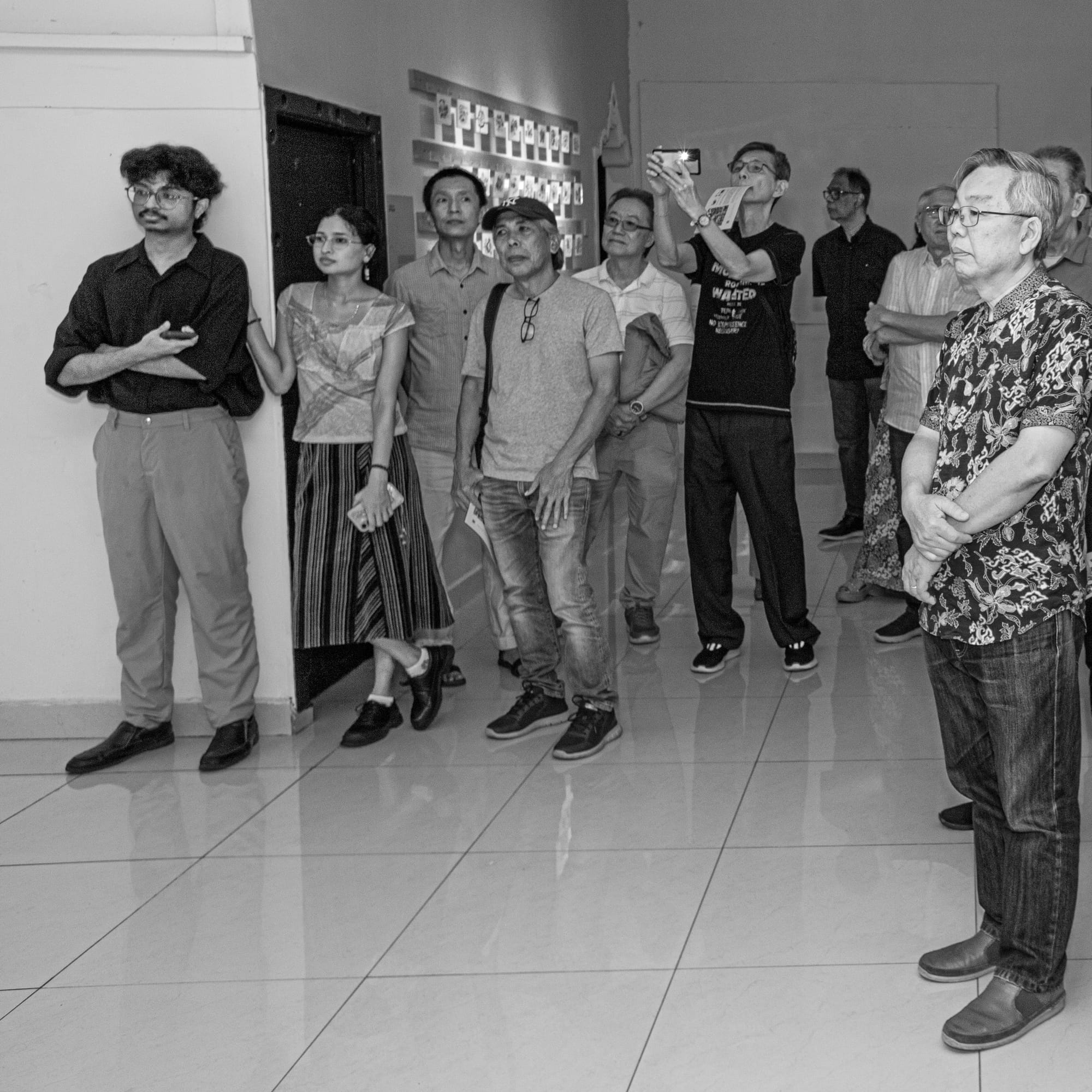
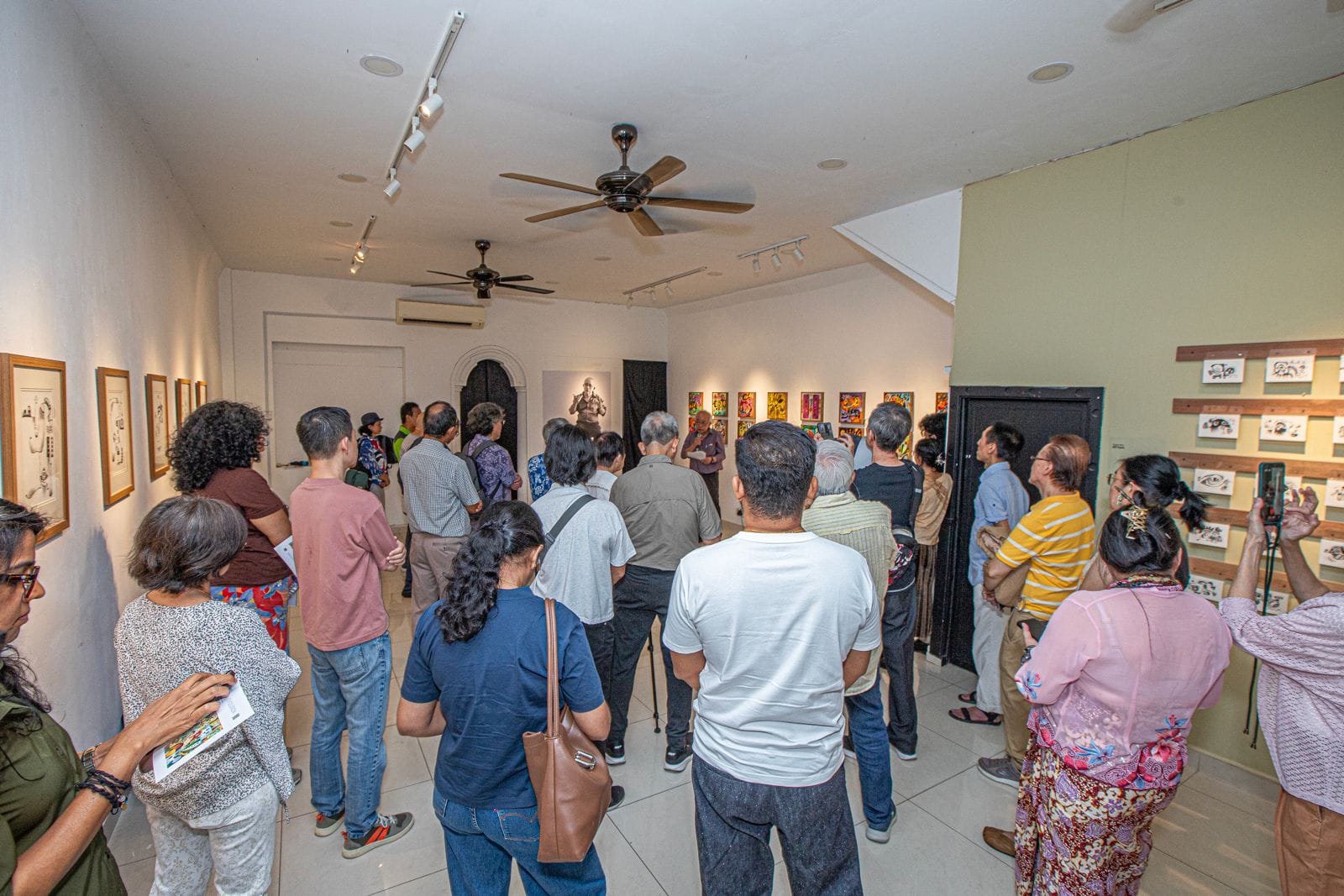
Among the invited guests to the Evolution opening on June 28, 2026, were fellow artists, art gallery owners and former journalists. The exhibition was opened by Lee Khai, chairman of the Penang State Art Gallery, who offered a compelling interpretation of Siang Jin’s creative journey.
Lee said he had the opportunity to meet many artists whose journeys into art have been unusual and inspiring. Yet Siang Jin’s story stands out because it reminds us that art is not always a straight road. Sometimes it is a path interrupted by other callings, enriched by other disciplines, and deepened by life itself.
“I had the privilege of getting to know Siang Jin more closely through another endeavour,” said Lee. “As one of the co-founders of the Commonwealth of World Chinatowns (CWC), we invited him to help start and develop New Asia Currents, the media platform for CWC that was officially launched in 2025.
“The objective of that initiative was about creating conversations across cultures, disciplines and civilisations. It was about rethinking the role of knowledge, culture, art and community in a rapidly changing world. It was about asking how Asian societies might contribute new ideas and new possibilities at a time when the global order is being reshaped.”
In many ways, Lee said the same spirit animates the Evolution exhibition.
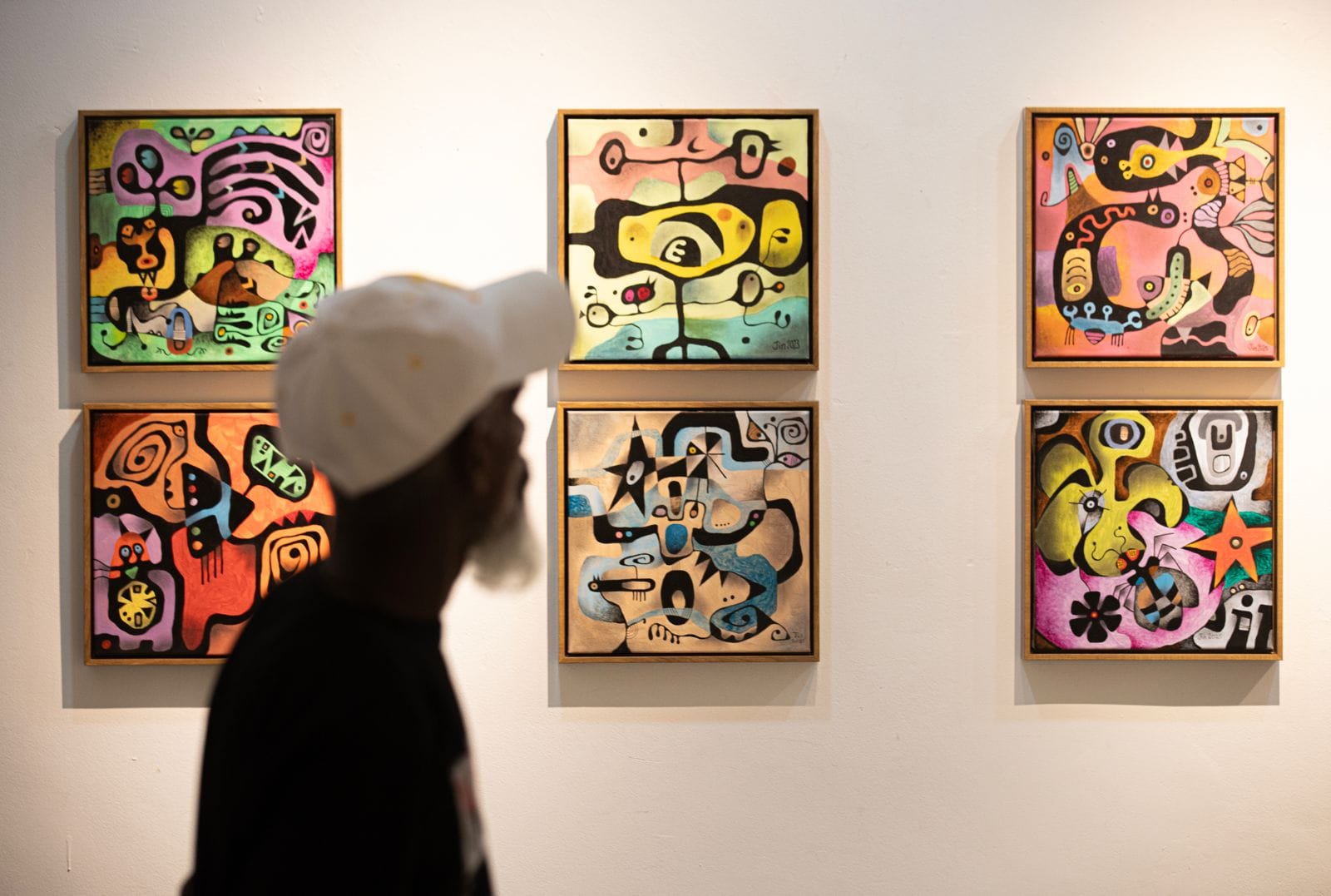
Rather than describing evolution as a rejection of the past, Lee suggested that genuine creativity grows through adaptation, carrying earlier experiences into new forms. “Evolution is not about abandoning the old, but about carrying it forward in new ways,” Lee said.
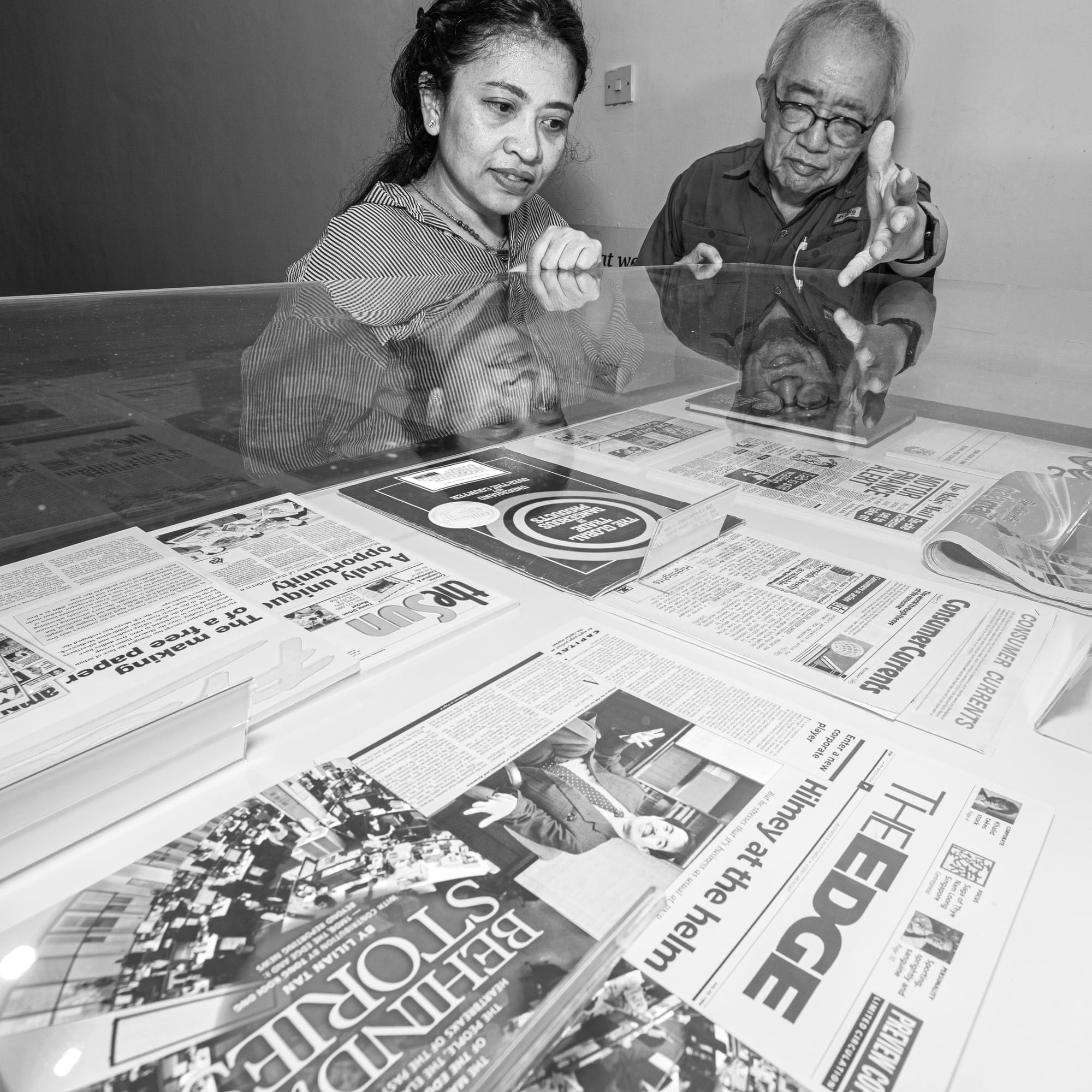
His observation perfectly captures Siang Jin’s own artistic story. As a self-taught hobbyist painter since the mid-1970s, Siang Jin stepped away from art for many years as his professional life took him into journalism and publishing. He worked at The Malay Mail and Malaysian Business, later co-founding The Edge Malaysia. He also headed publishing at the Regional Office of the International Organisation of Consumers Unions (IOCU) in Penang and at ISIS Malaysia, Kuala Lumpur, while building a career in communications.
It was only during the Covid-19 pandemic in 2020 that he returned to painting and photography seriously. Instead of treating those intervening decades as a detour, Siang Jin now sees them as the very foundation of his artistic journey. “It is not simply a display of artworks but an invitation to investigate the experiences, ideas and influences that led me to art,” he said.
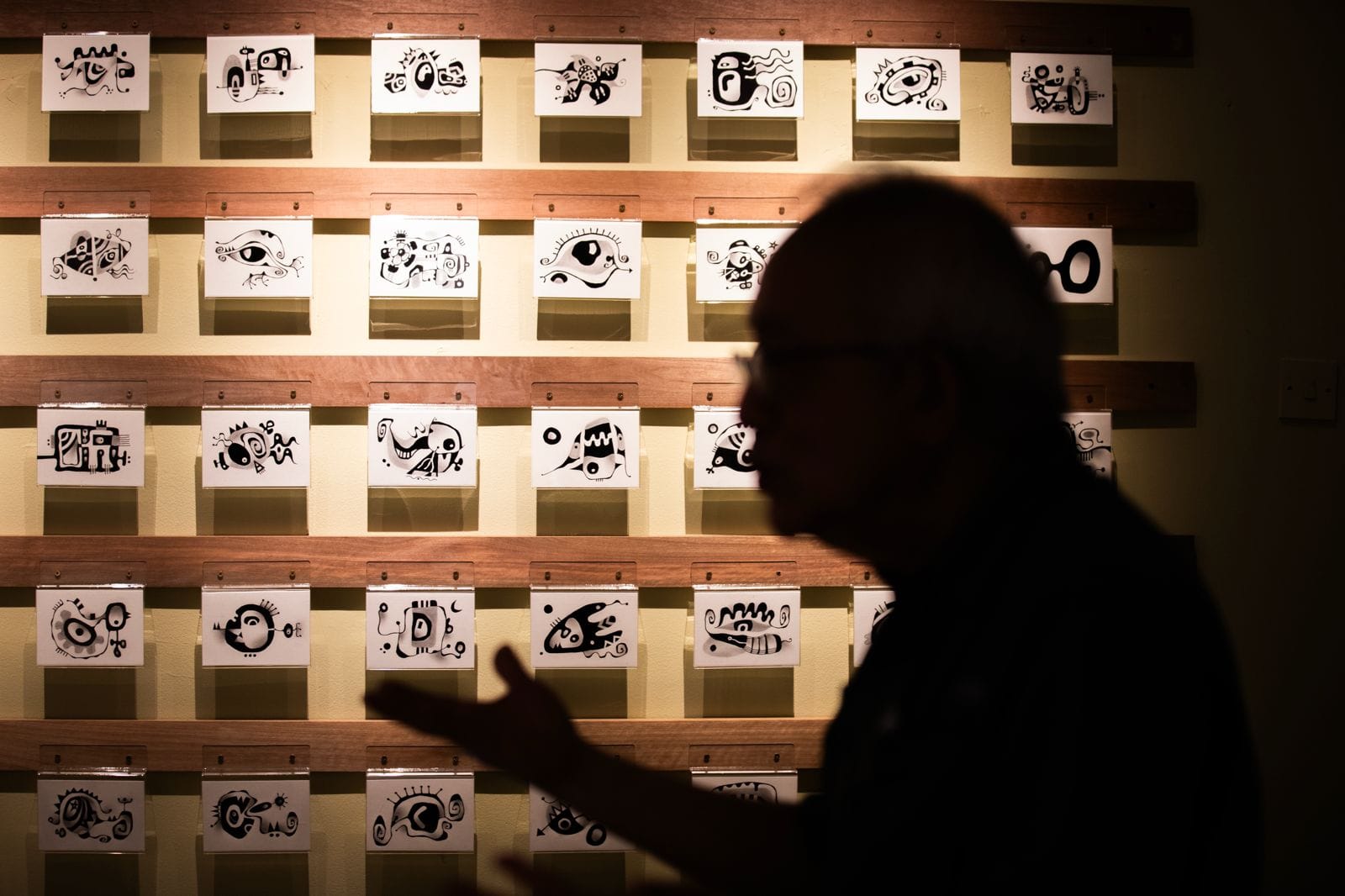
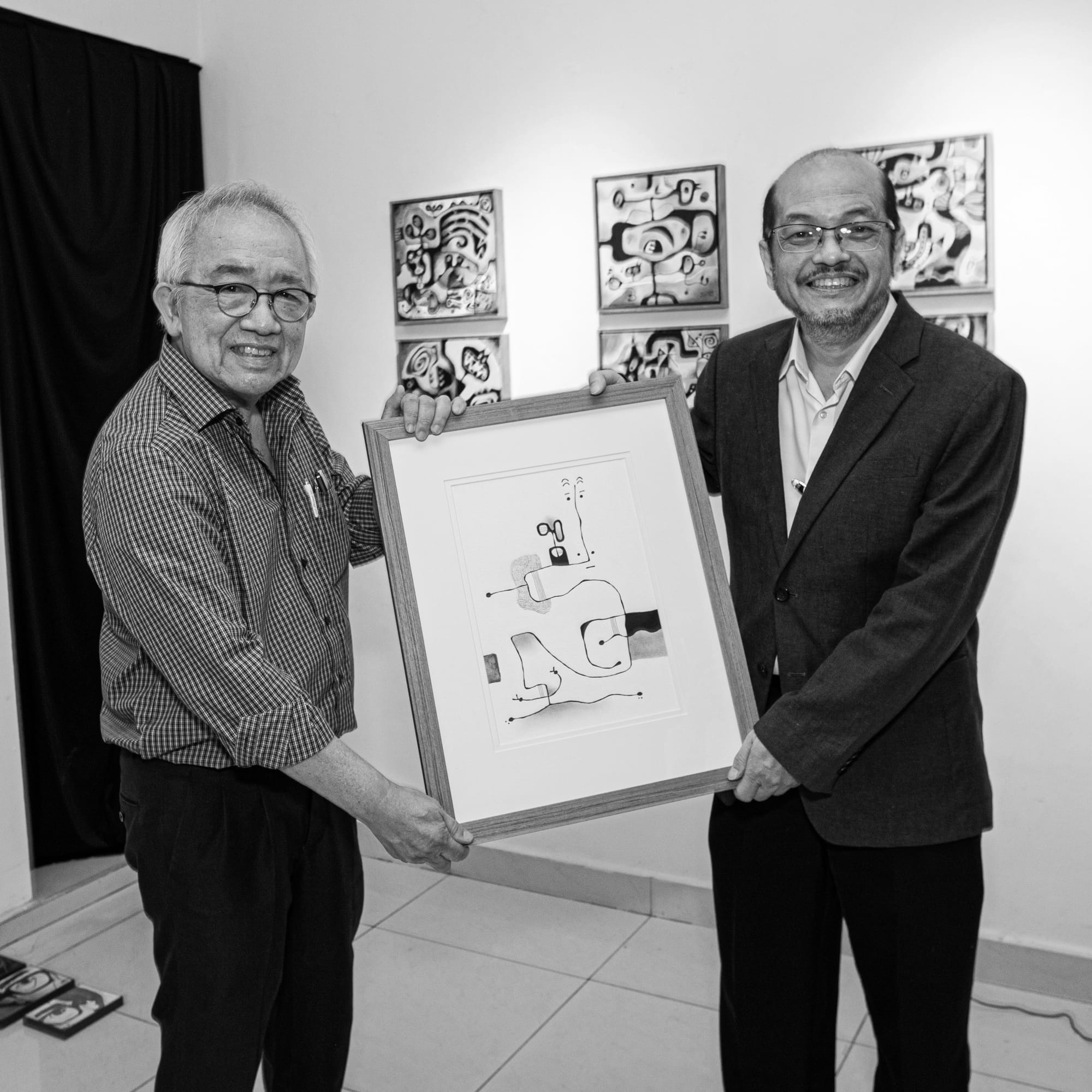
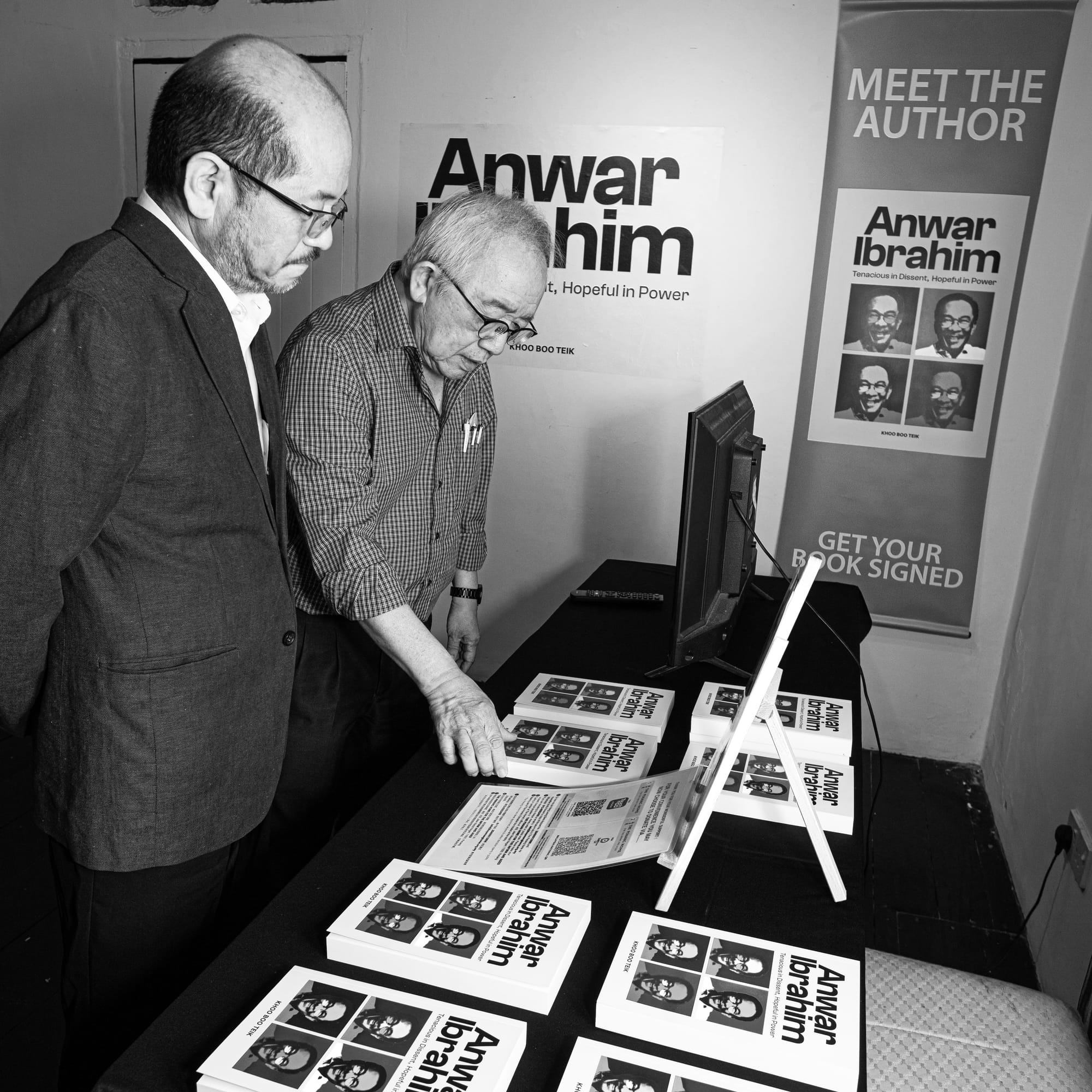
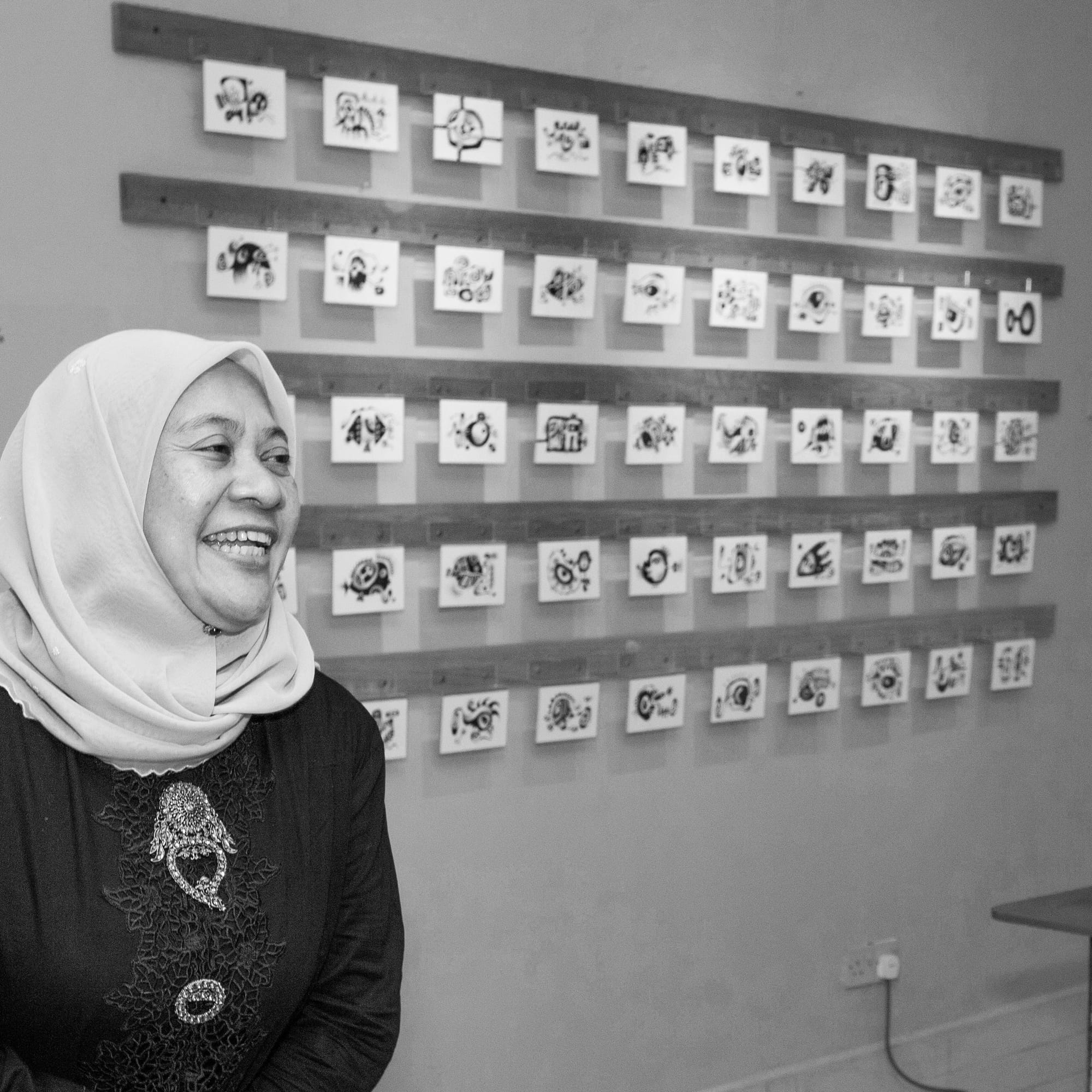
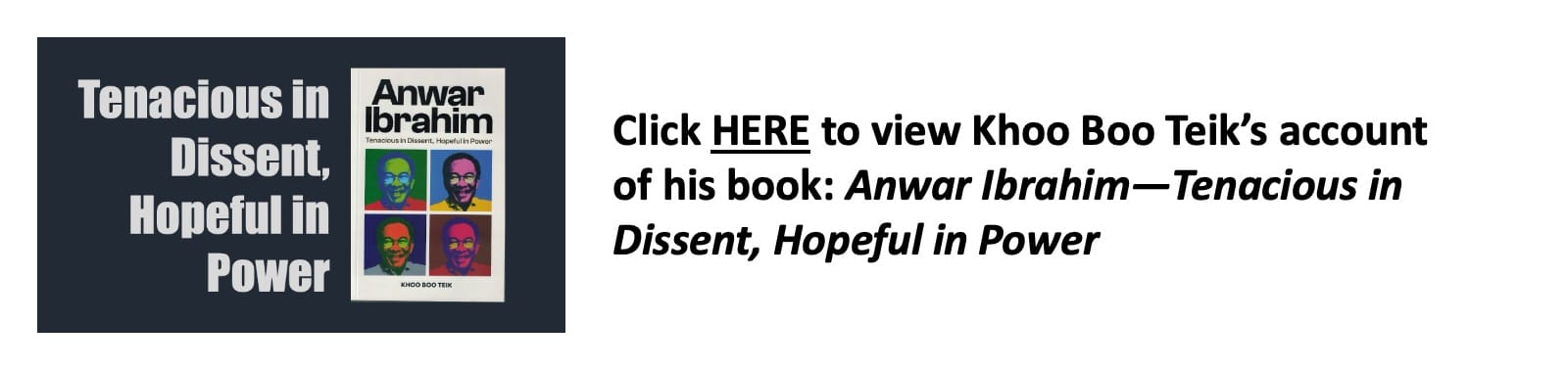
The exhibition brings together four interconnected bodies of work—Fun with Acrylic Plus, Minimal Man, All Eyes, and Tenacious in Dissent, Hopeful in Power—alongside publications, books and early artworks that chart his multifaceted journey.
## Click here to read about curator Stephen Menon and ArtVoice on Postscript NAC.
The show is meticulously curated by Stephen Menon, who designed not only the gallery space and exhibition collateral but also the catalogue. Said Siang Jin, “Like a well-designed magazine, the gallery-as-communication-medium enhances its contents. The catalogue does the same. I am very thankful for his skills and his dedication.”
When constraints become creative partners
Perhaps the most memorable idea presented during the exhibition opening concerned the relationship between freedom and limitation. Drawing upon Siang Jin’s own experiences as a student in Britain and later as a journalist working under constant deadlines and practical constraints, Lee argued that creativity is rarely born from unlimited possibilities. Instead, it grows through resistance.
“Constraints are not obstacles; they are collaborators,” Lee said. “They challenge us to think differently and discover possibilities we might otherwise overlook.” Lee suggested that this lesson extends beyond individual artists to entire communities and institutions. He cited Penang as an example of how limited land and resources have encouraged innovation and continual reinvention instead of stagnation.
The idea resonates strongly with Siang Jin’s own long-standing interest in sociology, particularly the writings of Zygmunt Bauman, whose reflections on freedom and constraint have influenced his thinking for decades.
Alongside Bauman, Siang Jin also credits Max Weber’s concept of verstehen—understanding the world by entering another person’s perspective—as well as German philosopher Hegel’s aufhebung—commonly translated as “transcendence”. He was also influenced by writers such as Albert Camus and Hermann Hesse.
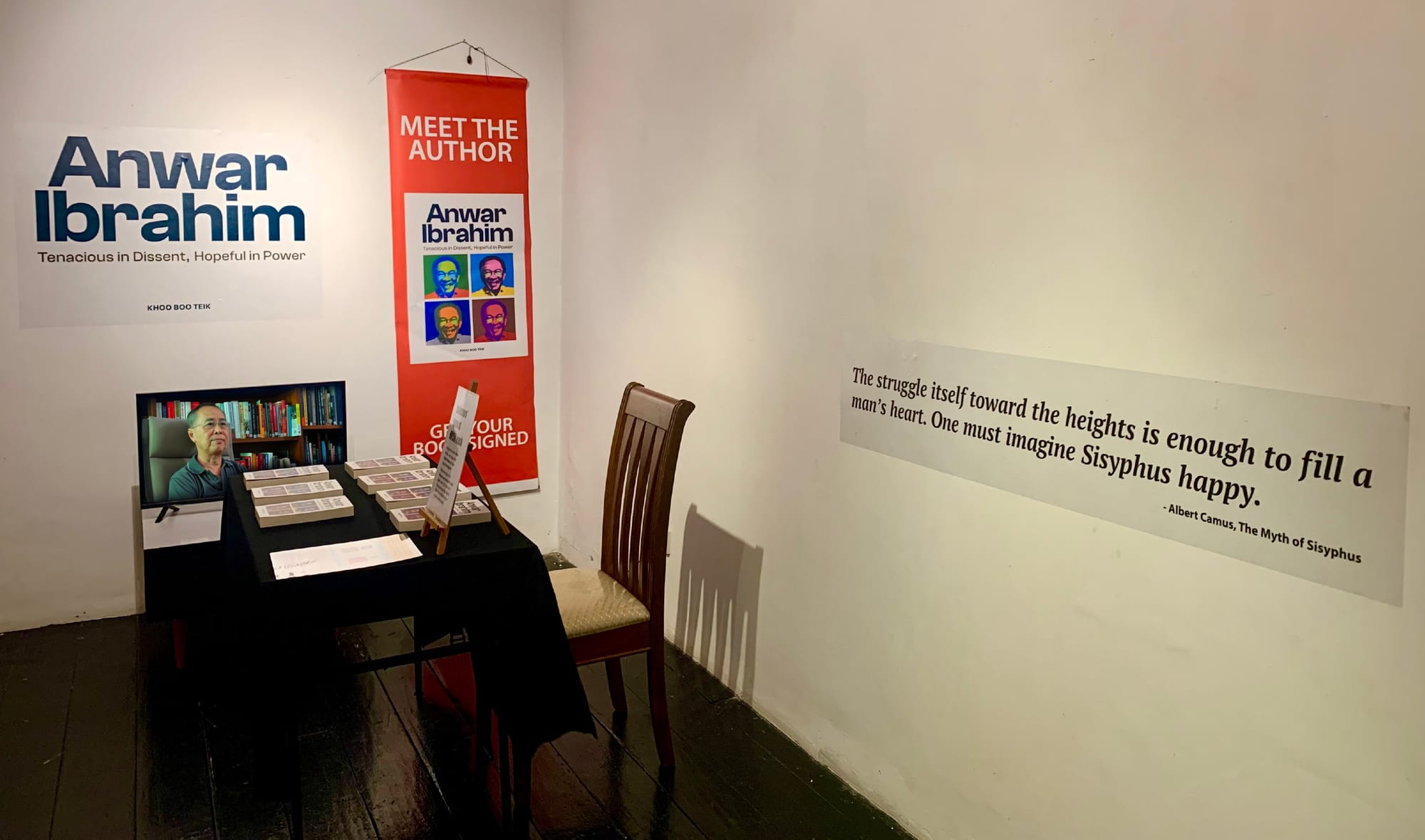
These thinkers encouraged him to view creativity not as spontaneous inspiration alone, but as something shaped through social experience, personal reflection and continuous dialogue. Rather than presenting grand theories directly, Siang Jin translates them into symbols, playful imagery and visual metaphors that invite viewers to participate in interpreting his works. His recurring use of humour reflects that philosophy.
According to Lee, humour is far more than entertainment. It represents wisdom. It encourages audiences to question assumptions while making difficult ideas accessible. Like sociology itself, humour invites us to see familiar things from unfamiliar perspectives.
Journalism opens up new perspectives
While sociology gave Siang Jin a philosophical framework, journalism and publishing taught him how ideas move through society. For decades, he helped produce newspapers, magazines and books while witnessing extraordinary technological change—from typewriters and a cyclostyled class magazine to desktop publishing, the internet and, digital and social media. Those experiences fundamentally changed how he understood communication.
“I spent much of my life building communication systems and producing publications,” said Siang Jin. More importantly, those experiences convinced him that technological revolutions rarely erase what came before. Instead, they transform it while retaining its essence.
That insight is visible throughout Evolution. The exhibition does not isolate paintings from publications or installation from printed works. Instead, visitors encounter books, magazines, sketches and artworks side by side, illustrating how communication itself has evolved throughout Siang Jin’s life.
His years in publishing also exposed him to countless creative professionals whose approaches broadened his own understanding of art. “I was fortunate to work with many talented colleagues and advisors who taught me how to shape, organise and communicate ideas,” he said. Producing publications became another form of creative practice, albeit in teams. It taught him structure, clarity and visual thinking—qualities that continue to shape his paintings today.
Learning from the masters
Unlike many professionally-trained artists, Siang Jin largely educated himself through careful observation. Applying Weber’s concept of verstehen, he tried to understand not merely what great artists painted but how they thought and lived. The artists who shaped his creative outlook came from remarkably different traditions, yet each contributed an important piece to his artistic philosophy.
Pablo Picasso taught him that an artist should never stop evolving, constantly pushing beyond familiar boundaries. Joan Miró revealed the expressive power of playful abstraction. Paul Klee demonstrated how seemingly simple lines, symbols and forms could open doors to vast imaginative landscapes, while Salvador Dalí encouraged him to embrace the unexpected and venture into the dreamlike realm of surrealism.
Vincent van Gogh, meanwhile, became a powerful example of emotional authenticity, showing that art could communicate profound human feeling with remarkable intensity. And Andy Warhol offered a different kind of revelation by challenging conventional ideas about what art could be, blurring the boundaries between fine art, mass media and popular culture in ways that continue to influence artists today.
Rather than imitate any one of the above artists, Siang Jin gradually absorbed elements from each into his own distinctive vocabulary. The result is work that combines minimalist drawing, symbolism, social commentary and humour without becoming derivative.
Art in the age of artificial intelligence
One of the exhibition’s most timely conversations concerns artificial intelligence. As AI-generated images become increasingly sophisticated, questions inevitably arise about originality, authorship and the future of creativity. Rather than viewing technology as a threat, Lee, in his opening address, encouraged audiences to understand it through the German philosophical concept of aufhebung expounded by Siang Jin. It is about change and the elevation and incorporation of elements from the old into the new—technology should enrich artistic practice rather than erase it.
AI represents another stage in Siang Jin’s continuing evolution; however, he has a strict proviso—he avoids AI in all his final art pieces, preferring to use it more as a tool only to help fine-tune overall concepts and directions.
Lee also drew a clear distinction between computational power and human experience. “A machine can generate an image, but it cannot truly understand loss, hope, joy or compassion.” The comparison between Disney’s classic Fantasia produced in 1940, and today’s AI-generated imagery illustrated his point. Technology may become increasingly capable, but meaning continues to originate in human imagination, empathy and lived experience.
Siang Jin appears to share that confidence. His own career demonstrates that every technological revolution—from traditional printing to digital publishing—has expanded creative possibilities rather than diminished them. AI represents another stage in that continuing evolution; however, there is a strict proviso—he avoids AI in all his final art pieces, preferring to use it more as a tool only to help fine-tune overall concepts and directions.
Art as conversation
Appropriately, Evolution inaugurates ArtVoice Gallery’s new “A Conversation Series”. The title reflects the exhibition’s central belief that art should never be a one-way presentation. Visitors are encouraged to ask questions, attend talks and engage directly with the artist.
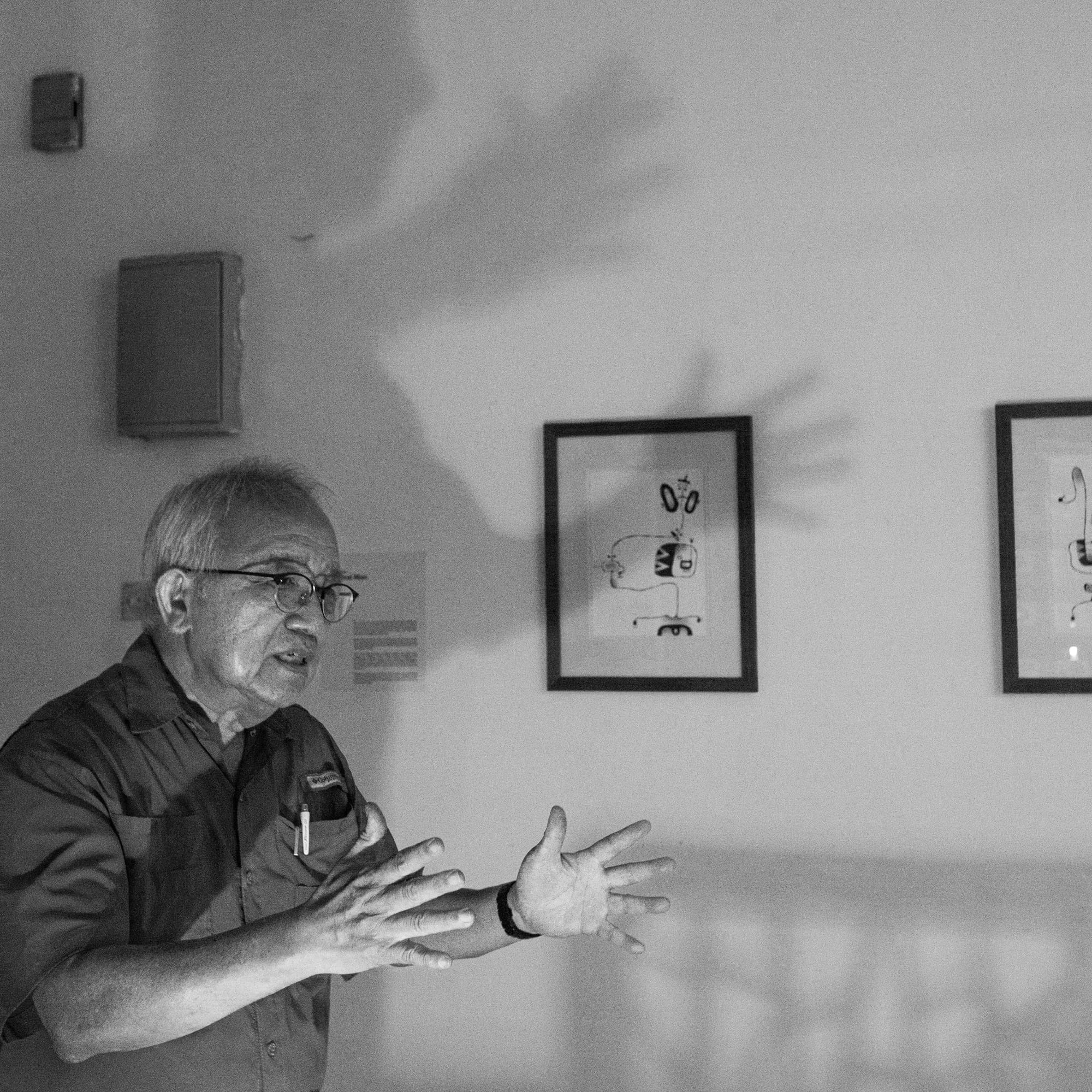
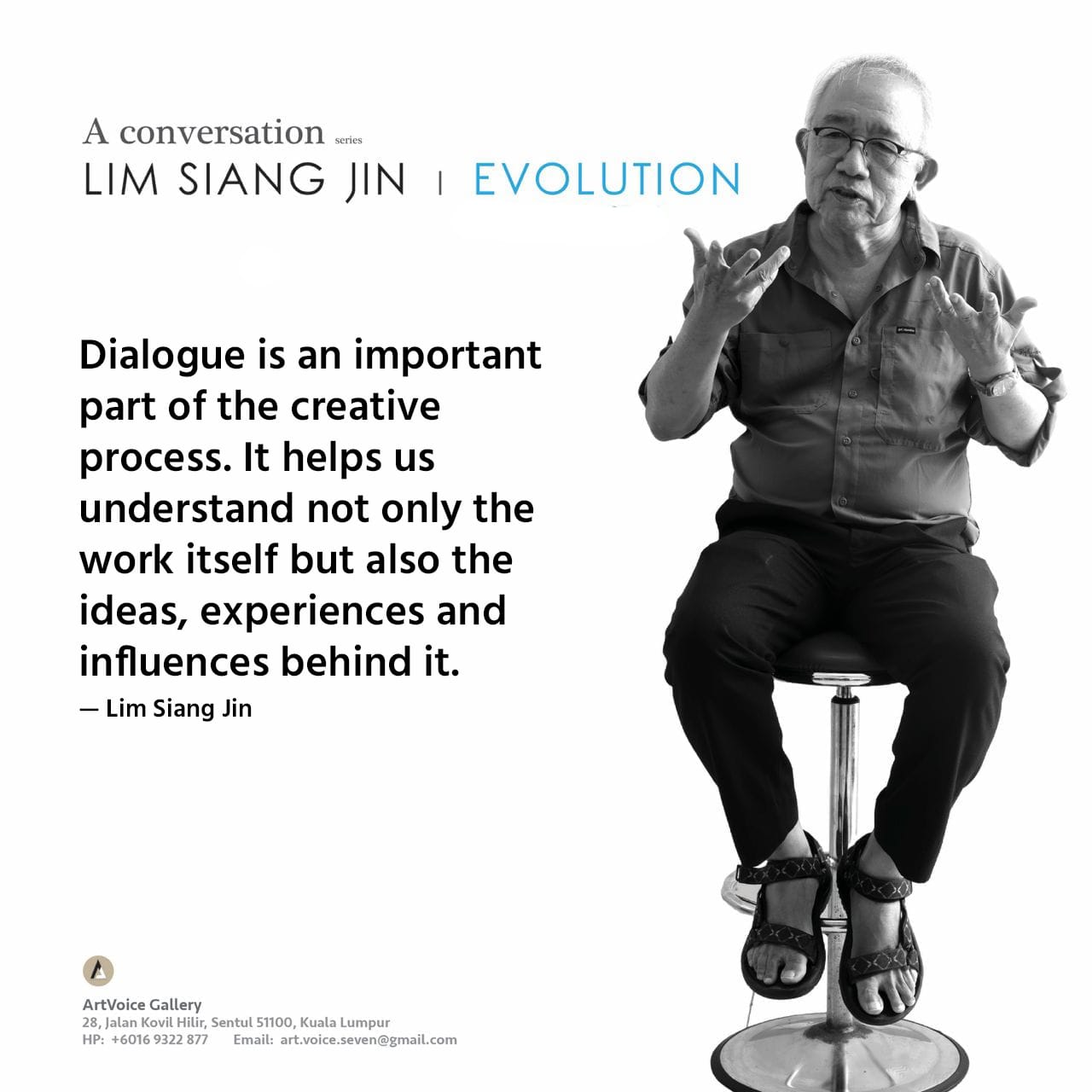
For Siang Jin, discussion forms part of the creative process itself. “Dialogue is an important part of the creative process,” he said. “It helps us understand not only the work itself but also the ideas, experiences and influences behind it.”
Lee echoed that sentiment during his speech. “Art begins a dialogue—between artist and audience, tradition and innovation, technology and humanity.” Art becomes most meaningful when it generates dialogue. It is through those conversations that artworks continue to evolve long after they leave the artist’s studio, Lee added.
Creativity without a finishing line
At 73, Lim Siang Jin views Evolution not as the culmination of his career but as another milestone in an ongoing journey. He hopes to further develop the visual vocabulary introduced in All Eyes, create larger works inspired by Fun with Acrylic Plus, and continue exploring the intersection of communication, society, and art.
It is also interesting to note that Siang Jin comes from a family involved in creativity and publishing. “Thinking about all this, I have come to appreciate that my Lim family has a long tradition of publishing, writing, and creativity spanning five generations. My great-grandfather, Lim Cheng Ean, managed the Straits Echo, Penang, in the early 20th century; my grandfather, Lim Ewe Lee, kept voluminous diaries in the style of John Ruskin; my father, Dr Lim Teik Ee, carefully recorded his hobbies on orchids and wine; my uncle, Lim Thean Soo, became a pioneering literary figure in Singapore; and now our son, Wan Tsau, is a publisher,” said Siang Jin. “Maybe this heritage has been quietly guiding my path all along, even before I noticed it.
“Finally, I want to thank my family, especially my wife, Teh Beng Hooi. Anyone who lives with an artist and journalist knows that this work takes up not just our thoughts and time, but sometimes our living space, too. Beng Hooi has also recorded our family life, and more, in almost a hundred photo books. Thank you for your patience, understanding, and constant support,” Siang Jin added.
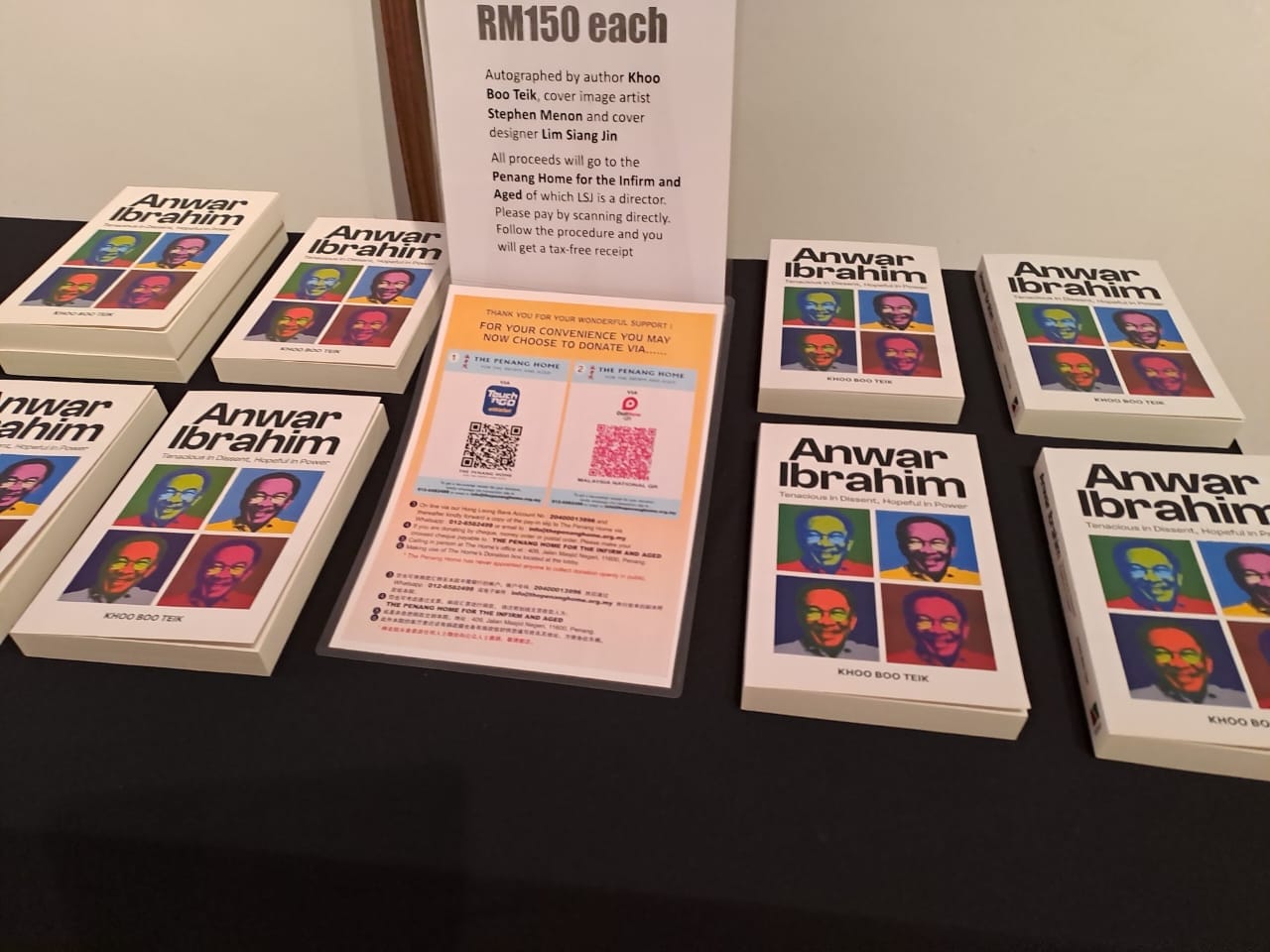
Creativity evolves with change
Looking around the gallery, visitors encounter more than paintings. They encounter decades of accumulated experience transformed into visual form. Siang Jin calls them his “biographical expressions”—created by himself or in teams.
As Lee Khai reminded the audience, evolution is a continuous process rather than a destination. For Siang Jin, that process remains wonderfully unfinished. His art continues to grow through curiosity, conversation and the very constraints that once seemed to stand in its way.
Perhaps that is the exhibition’s most enduring message: creativity does not simply survive change—it evolves because of it. From sociology and journalism to painting and AI, Lim Siang Jin’s latest exhibition explores how creativity evolves through experience, dialogue and the unexpected power of constraints. The following is the exhibition schedule:
• Opening hours: Gallery opens from 10.00am to 5.00pm on weekends until July 28. Weekdays by appointment only.
• Conversations (presentations and Q&A) with Siang Jin will be held from 2.00pm to 4.00pm on July 11-12, July 18-19, July 25-26.
• Venue: Art Voice Gallery, 28 Jalan Kovil Hilir, 51100 Kuala Lumpur.