


Former Indonesian president Joko Widodo says global institutions must evolve to meet interconnected conflicts, technological disruption and the realities of a multipolar world
- Jokowi calls for the United Nations to reform its systems, processes and strategies to respond more effectively to interconnected conflicts and emerging global challenges
- Highlights Southeast Asia’s diversity and coexistence as an example of how different civilisations can turn differences into bridges for dialogue, cooperation and shared prosperity.
- Jokowi warns that AI, automation and digital transformation can either unite or divide societies, stressing that technological progress must be matched by trust, responsibility and human wisdom.
By Carolyn Khor
GEORGE TOWN: Former Indonesian president Joko Widodo has called for a “new United Nations 2.0” as increasingly complex and interconnected conflicts require stronger global institutions, mediation and diplomacy.
Popularly known as Jokowi, he said the world was facing a rapidly changing landscape shaped by interconnected conflicts, climate change and technological advances, making it necessary for global institutions to adapt to new challenges.
“Today, the challenges we face are getting more complex. Conflicts are interconnected, and their consequences cross borders.
“So, the UN must change and redefine the system, the process, and the strategy to get a better world and to be more relevant,” he said in his keynote address at the Penang Peace Dialogue at Jen Penang Georgetown by Shangri-La, on Sunday.
“Now, we must move beyond the old edition of the United Nations and build a new edition: the new United Nations 2.0,” he said.
Jokowi, who served as Indonesia’s president from 2014 to 2024, said lasting prosperity could be achieved only when countries chose peace over conflict, cooperation over competition, and collaboration over division.
Peace built on trust
“No country can succeed alone. No nation can prosper in conflict. And no peace can be built without trust,” he said.
He also highlighted Southeast Asia as an example of how different civilisations could coexist, learn from one another and grow together.
Jokowi said the region’s diversity was not a weakness but a strength, describing Southeast Asia as an important model of collaboration among civilisations in an increasingly multipolar world.
“Here, differences are not barriers. They are bridges toward understanding, cooperation and shared progress,” he said.
He said the same values should guide developed countries, whose strength should be measured not only by technological advancement, economic power, or political influence, but also by responsibility, wisdom, and their ability to create peace, stability, and shared prosperity.
“Developed countries should not think only about their own interests. They must carry greater responsibility to build trust, strengthen cooperation, and help create a more peaceful world,” he said.
Jokowi also warned that technological progress needed wisdom.
Adapting to the AI world
He said artificial intelligence, automation and digital transformation were creating vast opportunities, but technology could divide rather than unite people if it was not guided by wisdom.
“The real question is, ‘Are we moving forward together?’” he said, adding that the world needed the courage to adapt, the humility to listen and the commitment to remain connected to its people.
Jokowi’s emphasis on adapting global institutions echoes his earlier call for reform of the international financial architecture.
In 2015, when he was Indonesian president, he called for changes to the global financial architecture, arguing that the existing system gave established powers greater influence and that emerging economic powers should have more space.
The two-day Penang Peace Dialogue, held on Sept 5 and 6 and themed “Bridging Civilisations in a Multipolar World”, included discussions on whether reform of the United Nations was necessary and possible in an increasingly multipolar world.
On good leadership
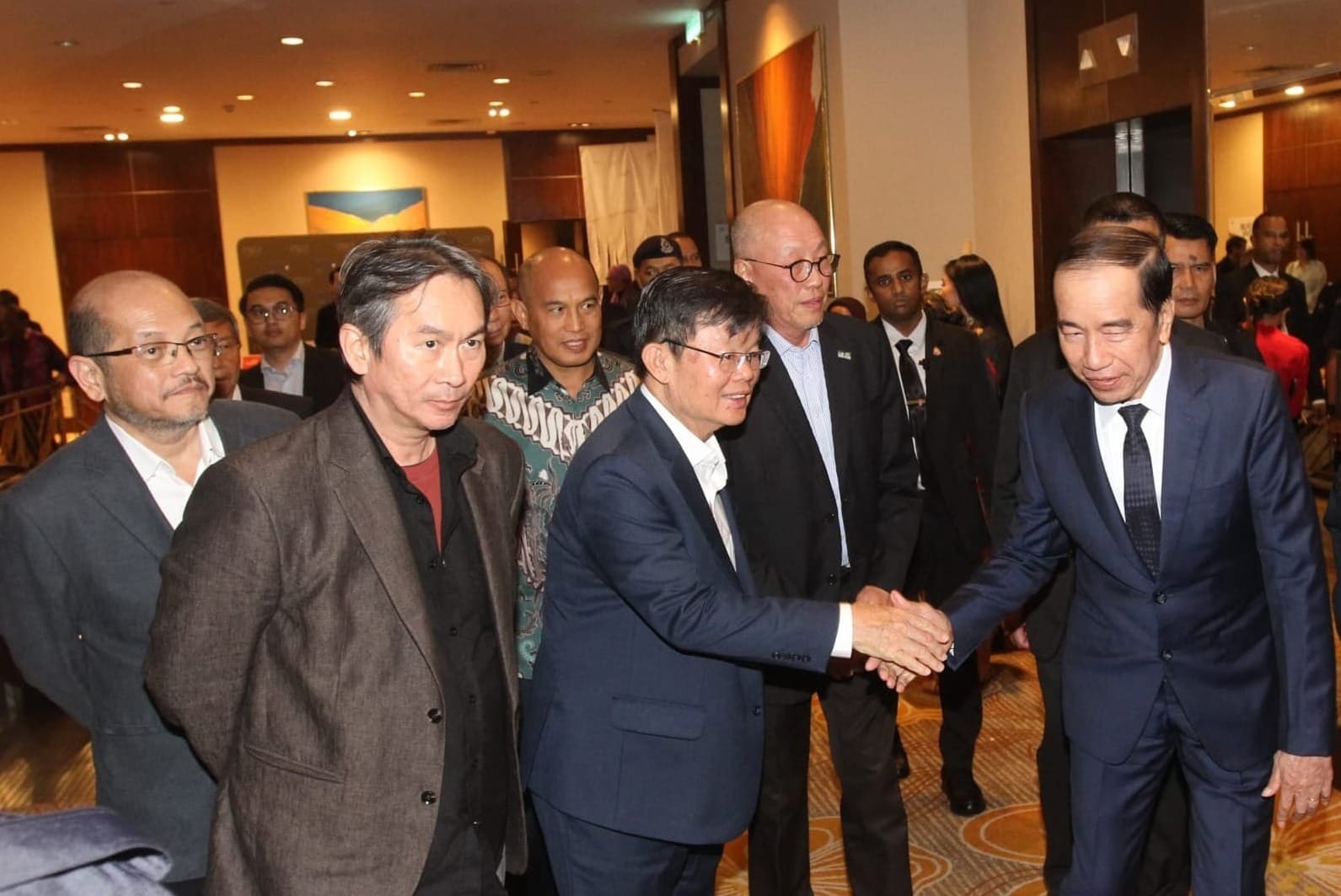
A day earlier, at the Penang Peace Dialogue gala dinner, Jokowi had stressed the importance of understanding and trust between leaders and their people.
Good leadership required leaders to understand their people, listen to their concerns, understand their problems and work for their future. – Joko Widodo
He said good leadership required leaders to understand their people, listen to their concerns, understand their problems and work for their future.
However, he said leadership alone was not enough, as society also had a responsibility to understand the direction and challenges its leaders faced.
“When people understand, passion grows. When people trust, support follows. And when leaders and people truly understand each other, that is where the foundation of peace comes,” he said.
He said peace came from “a heart willing to listen and from the courage to understand”.
The Penang Peace Dialogue, in its first edition, was held as the flagship event of the Commonwealth of World Chinatowns Conference Series, bringing together statesmen, academics, intellectuals and peace advocates to discuss peace, cooperation and relations among civilisations.
Read Penang’s multicultural identity offers model for global peace here.



